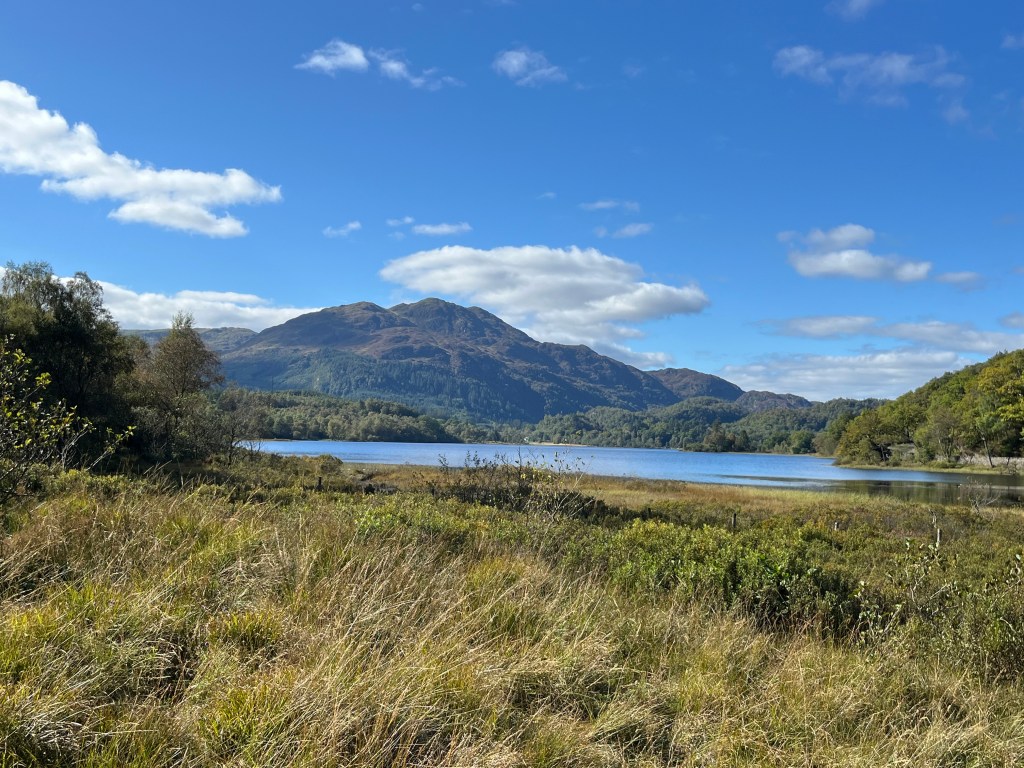
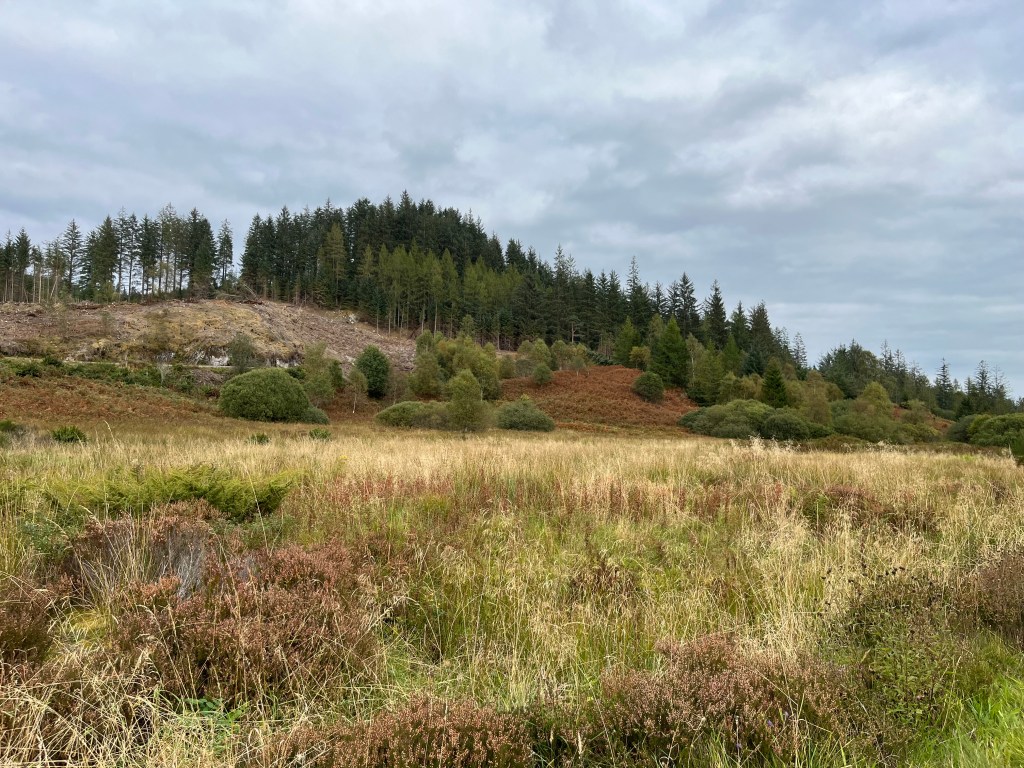
It was lovely to have a few days in the Loch Lomond and Trossachs National Park late in September, and although it was at the start of the Autumn season, the weather was more like a good day in summer here in Scotland!
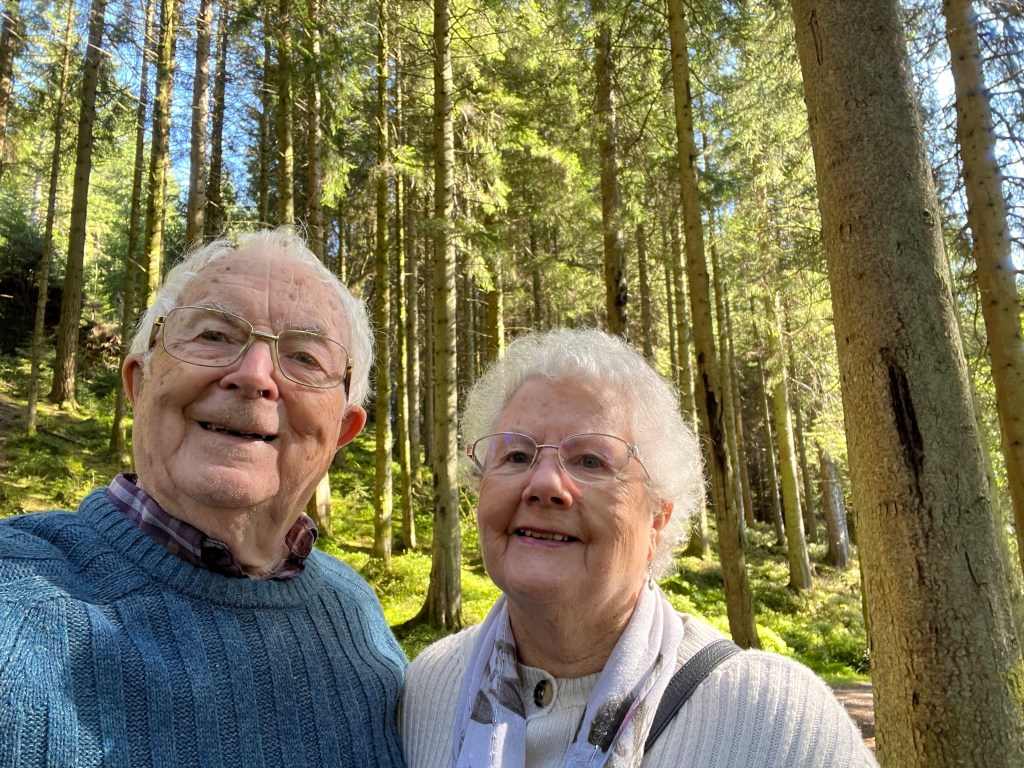
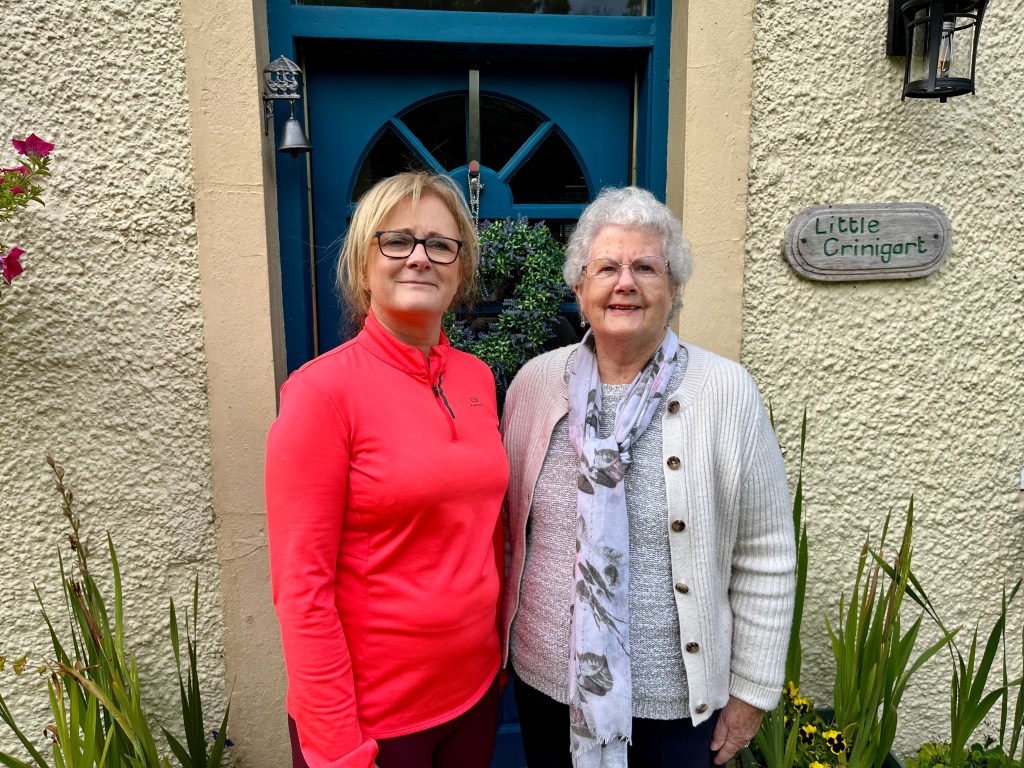
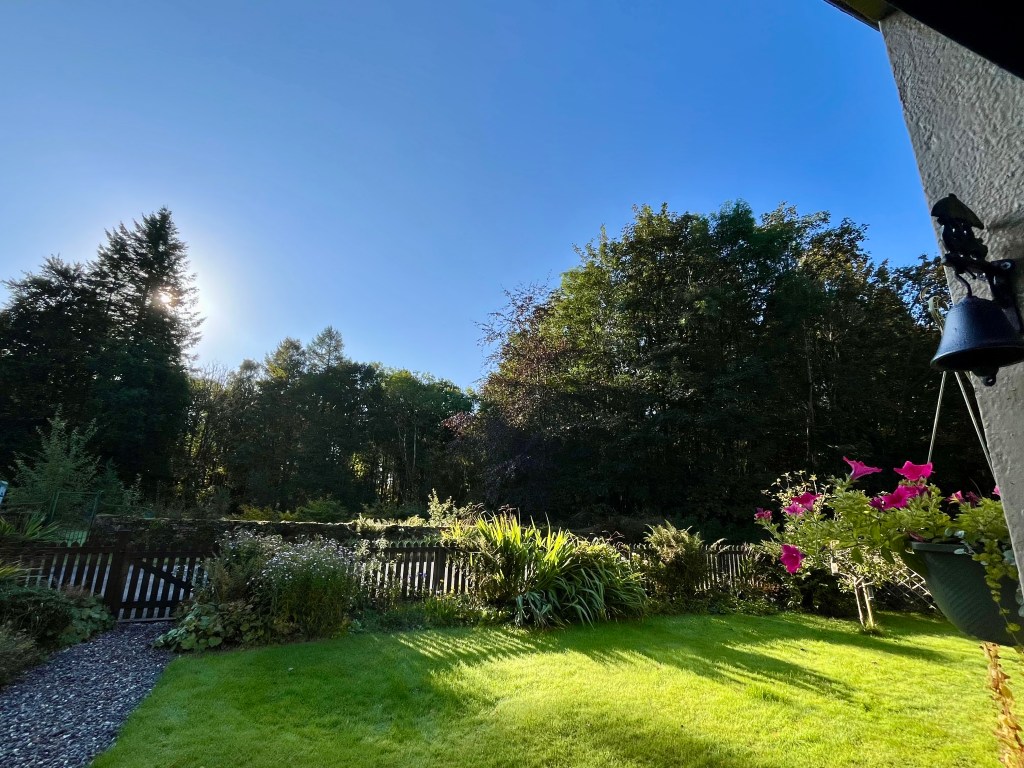
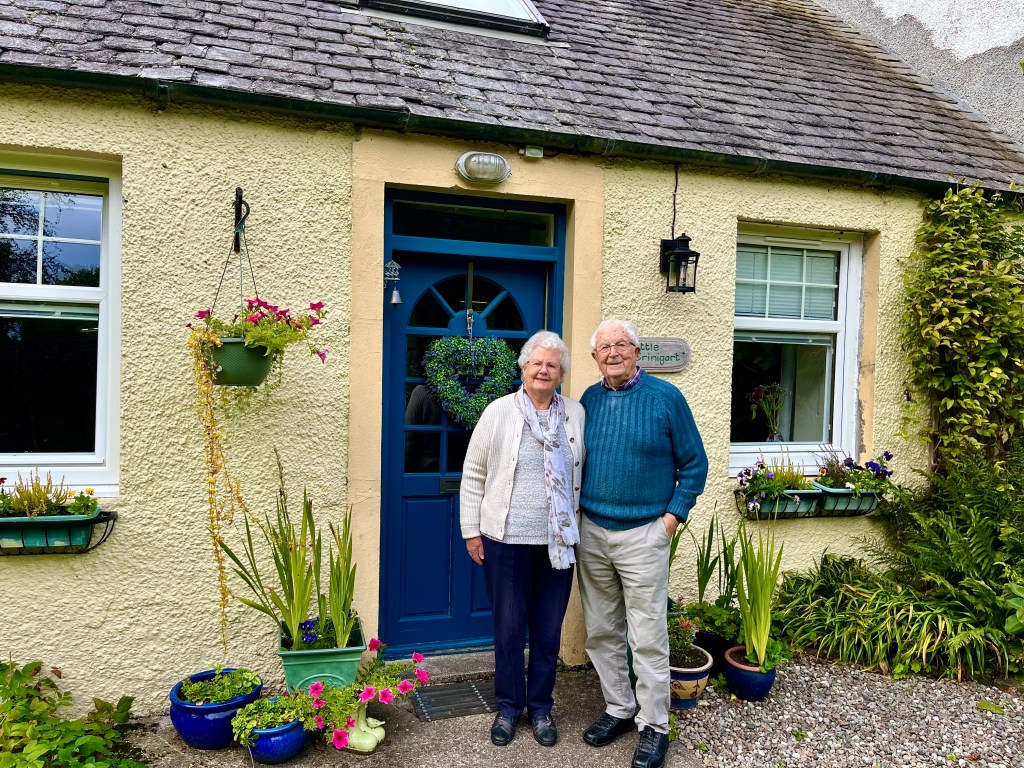
We were staying in a beautiful little cottage at Gartmore, just a one hour’s drive from Glasgow, so this opened up to us some of our favourite haunts, and no surprise then, when I say we took lots of photos.
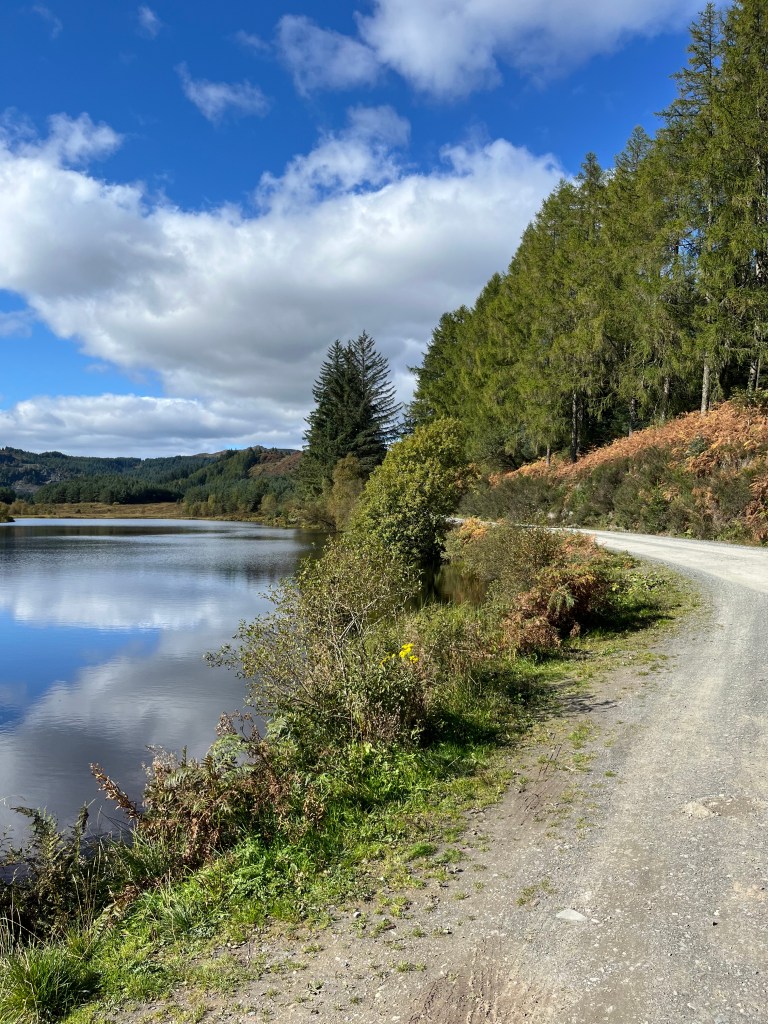
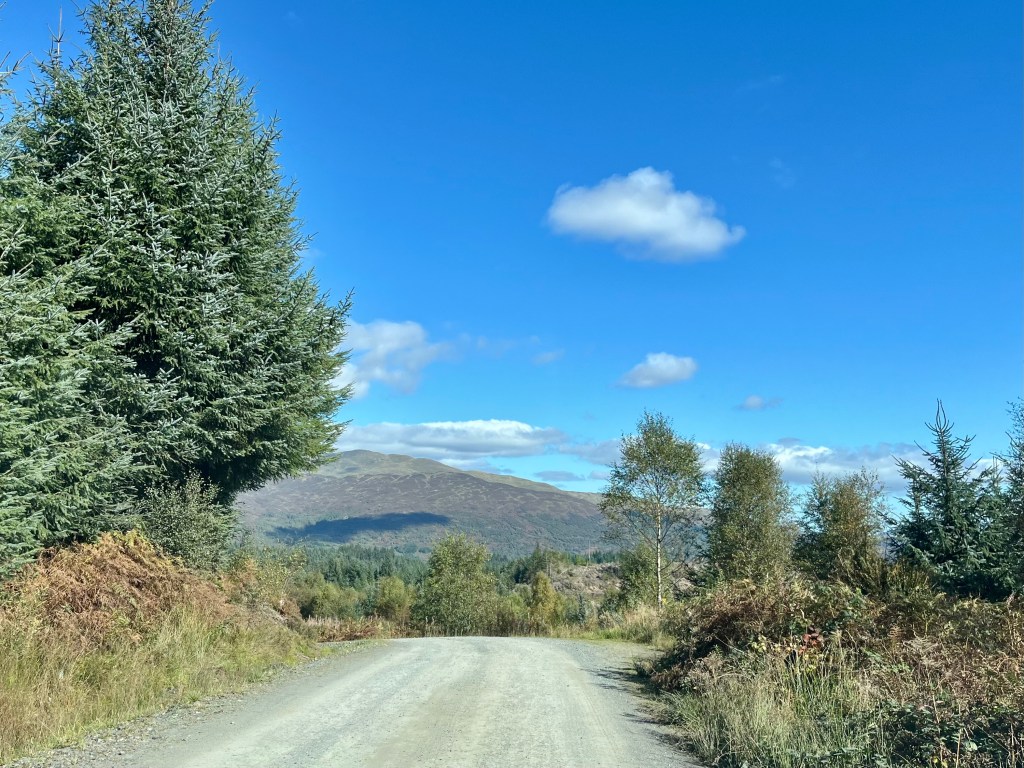
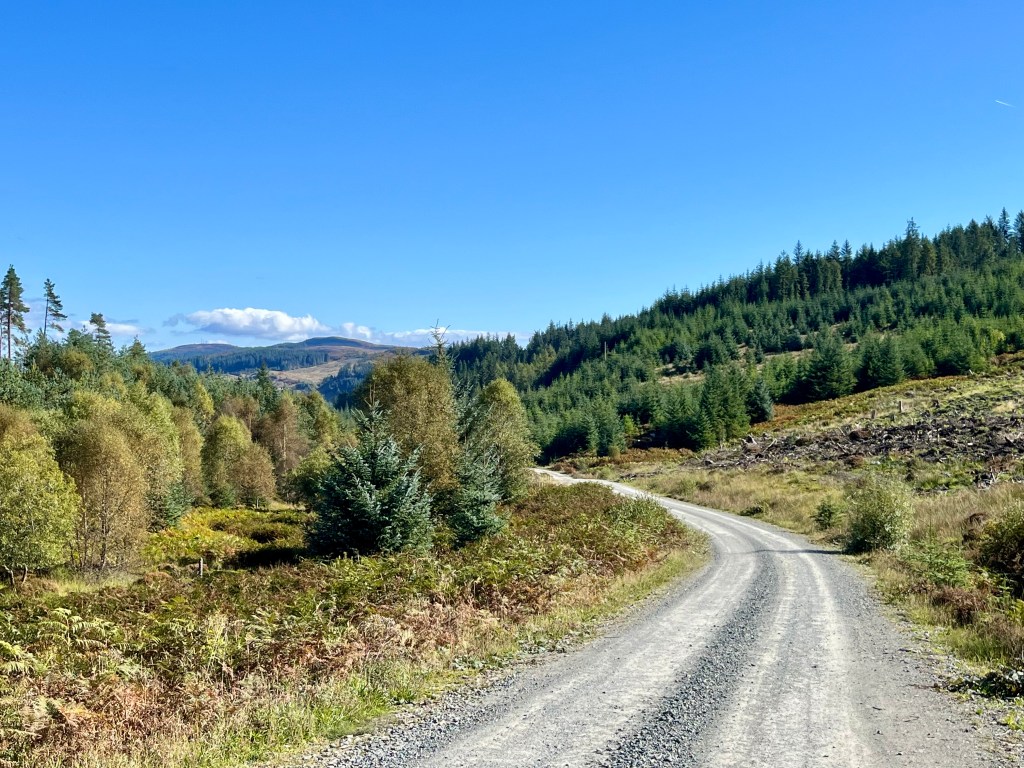
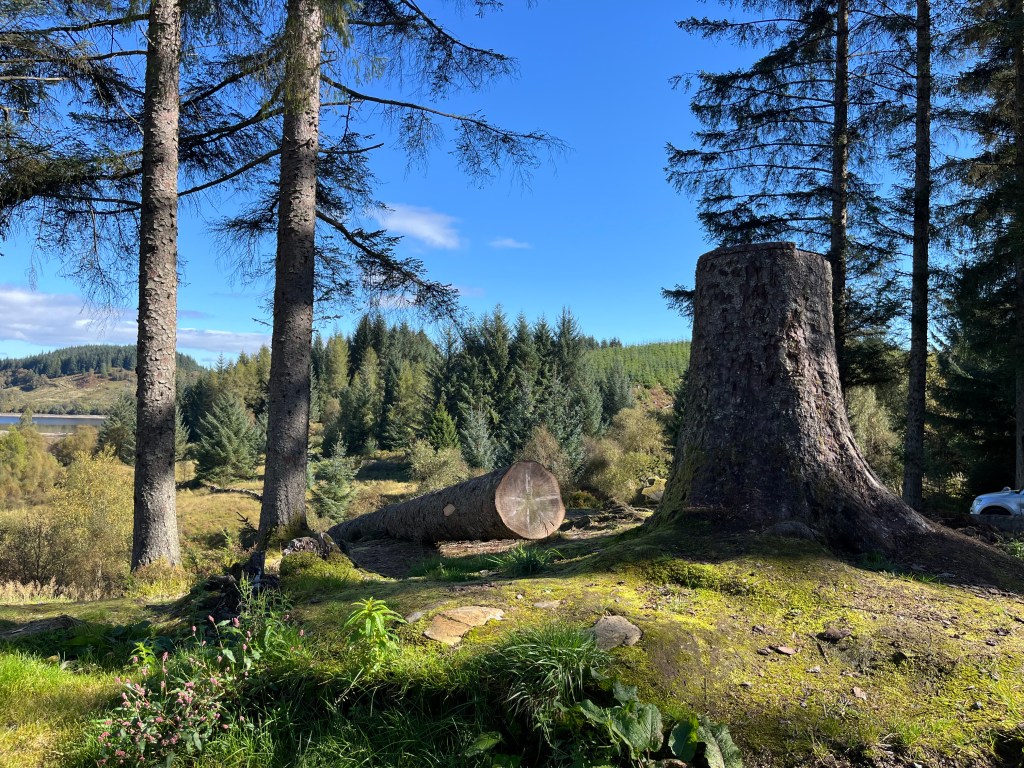
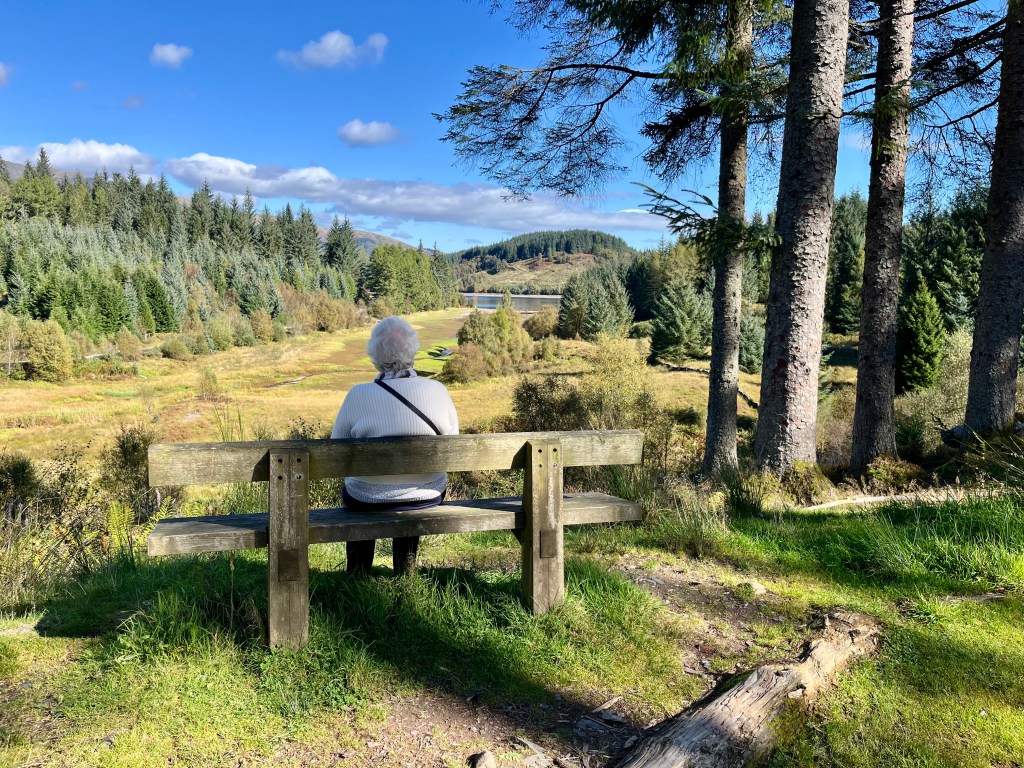
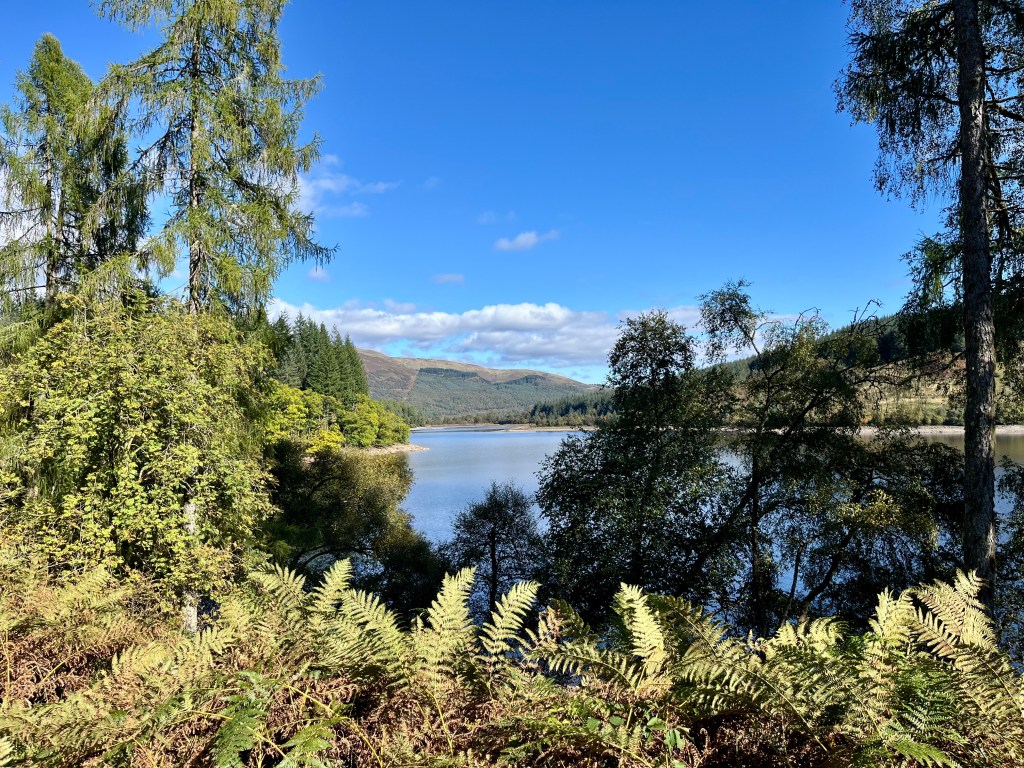
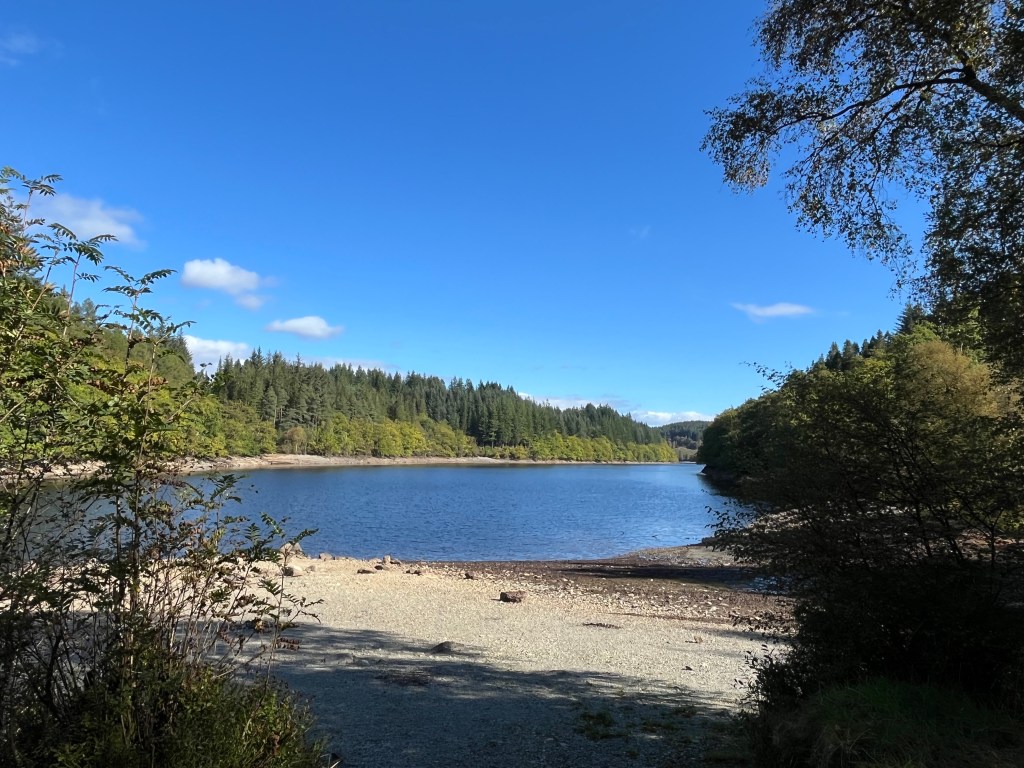
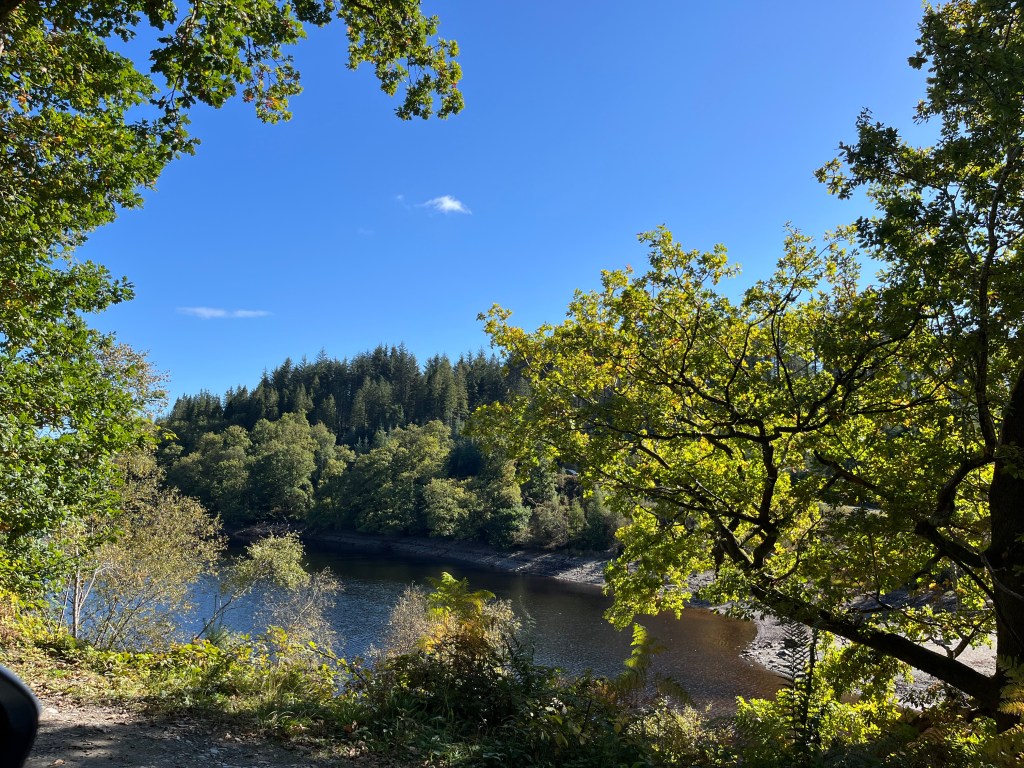
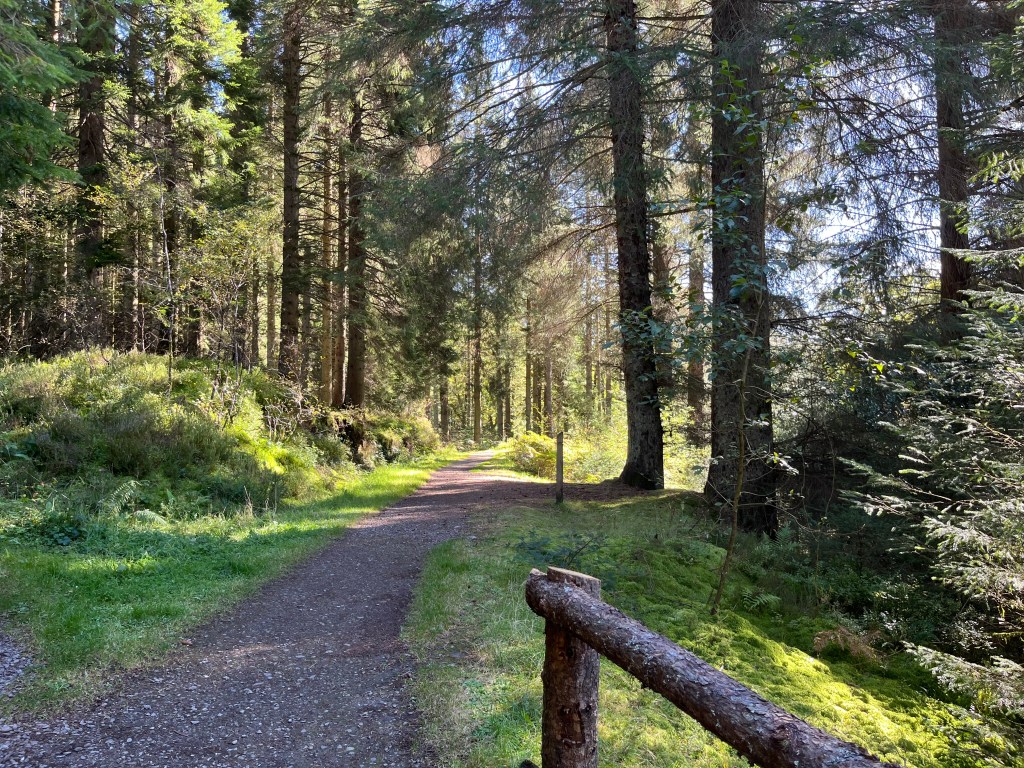
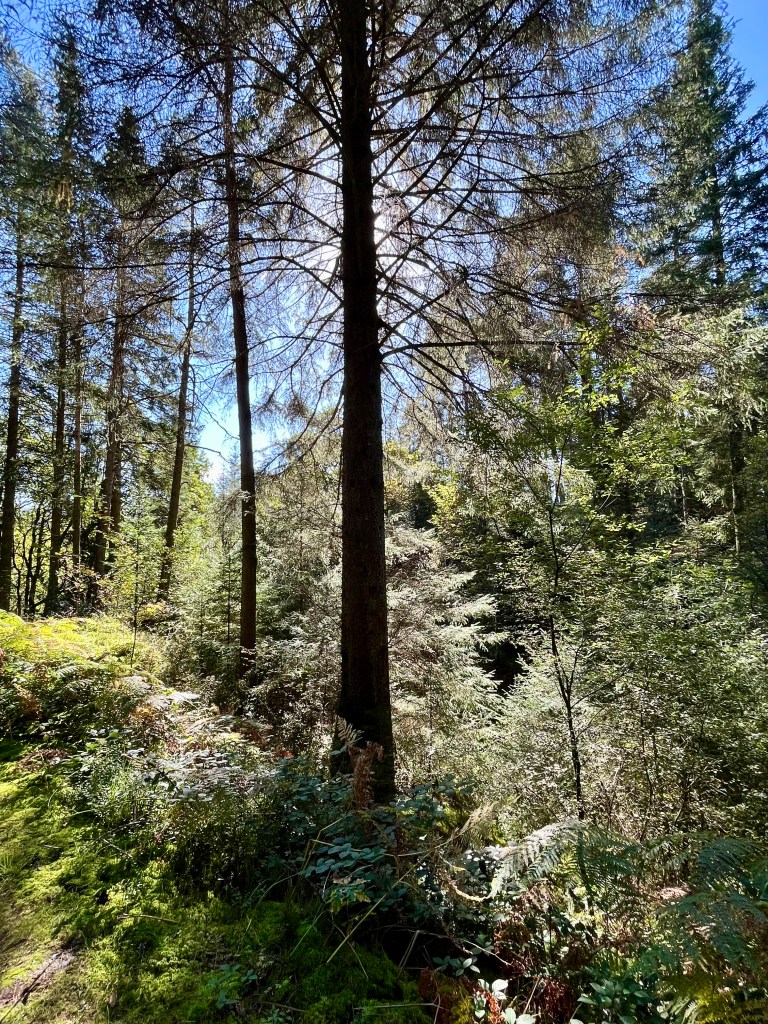
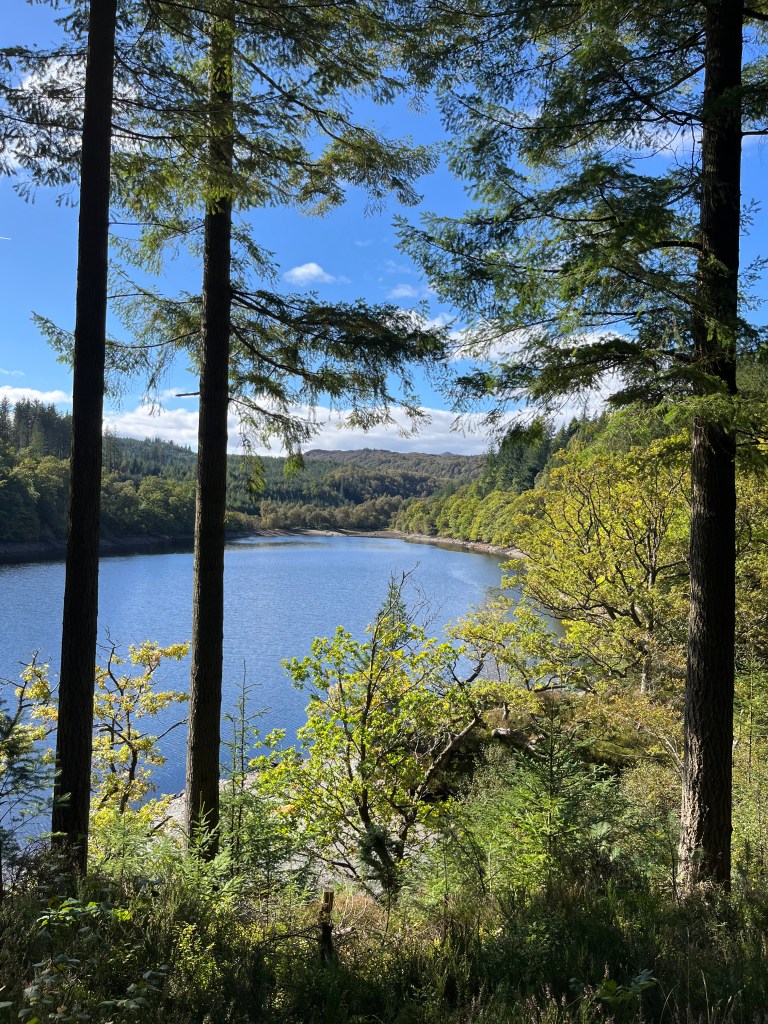
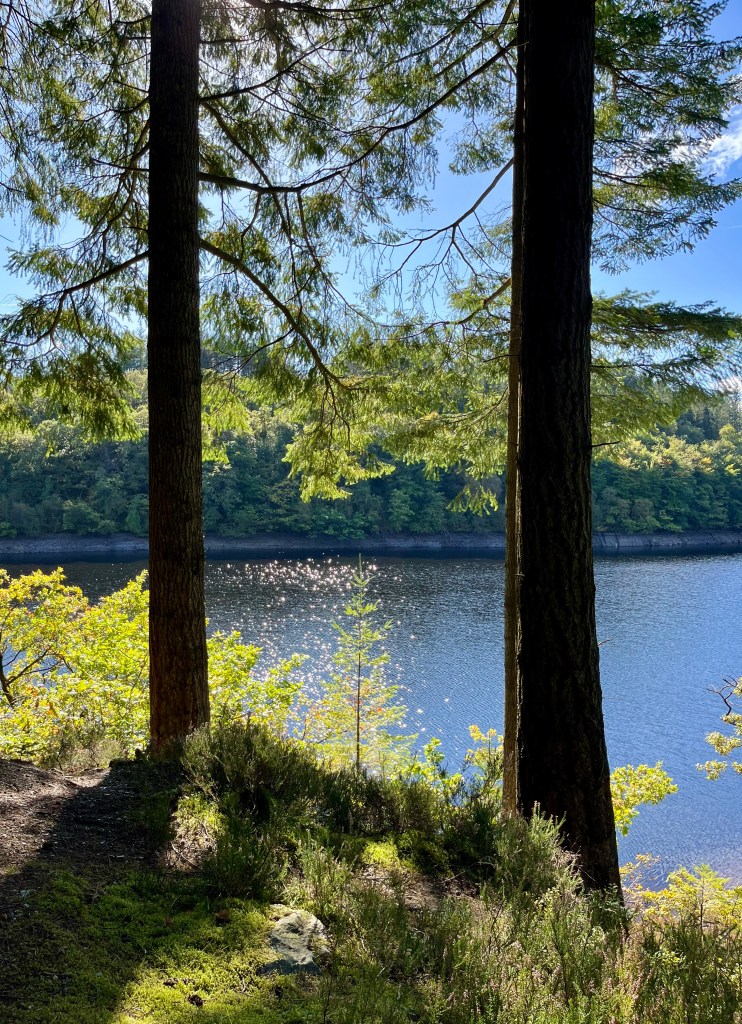
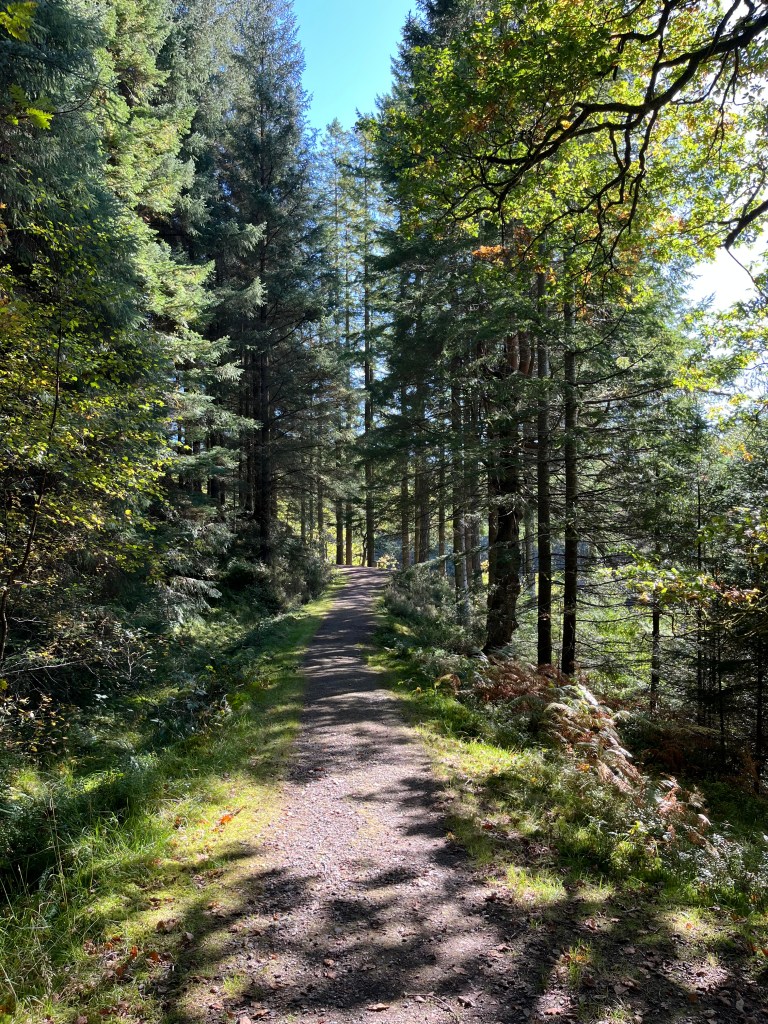
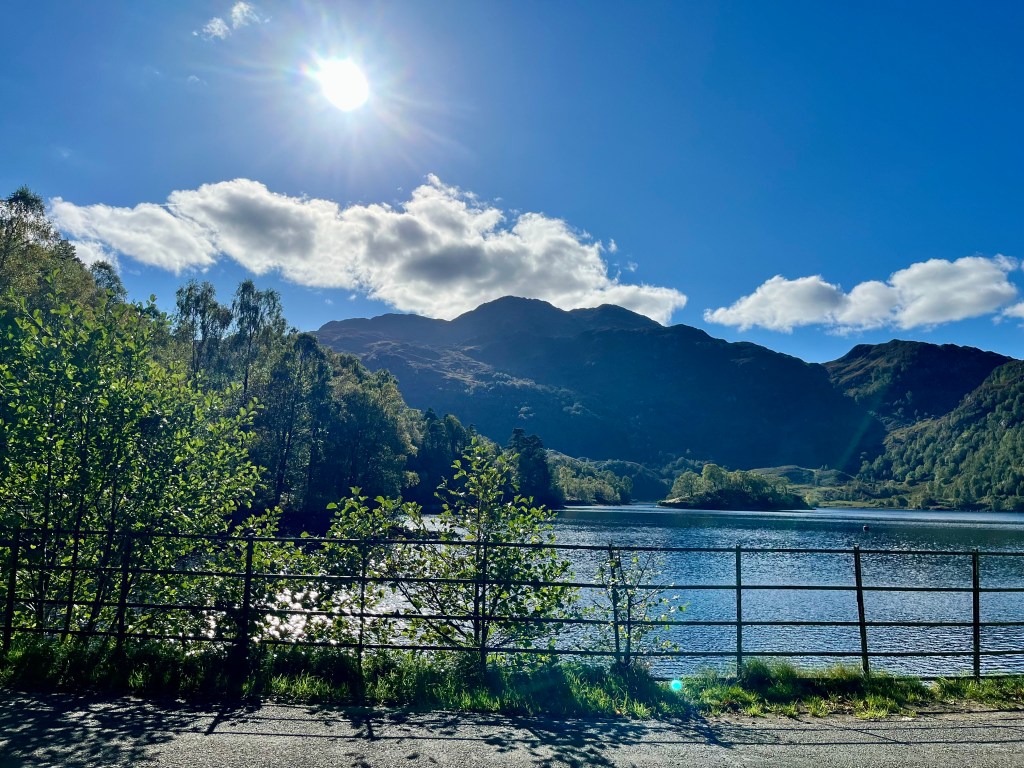
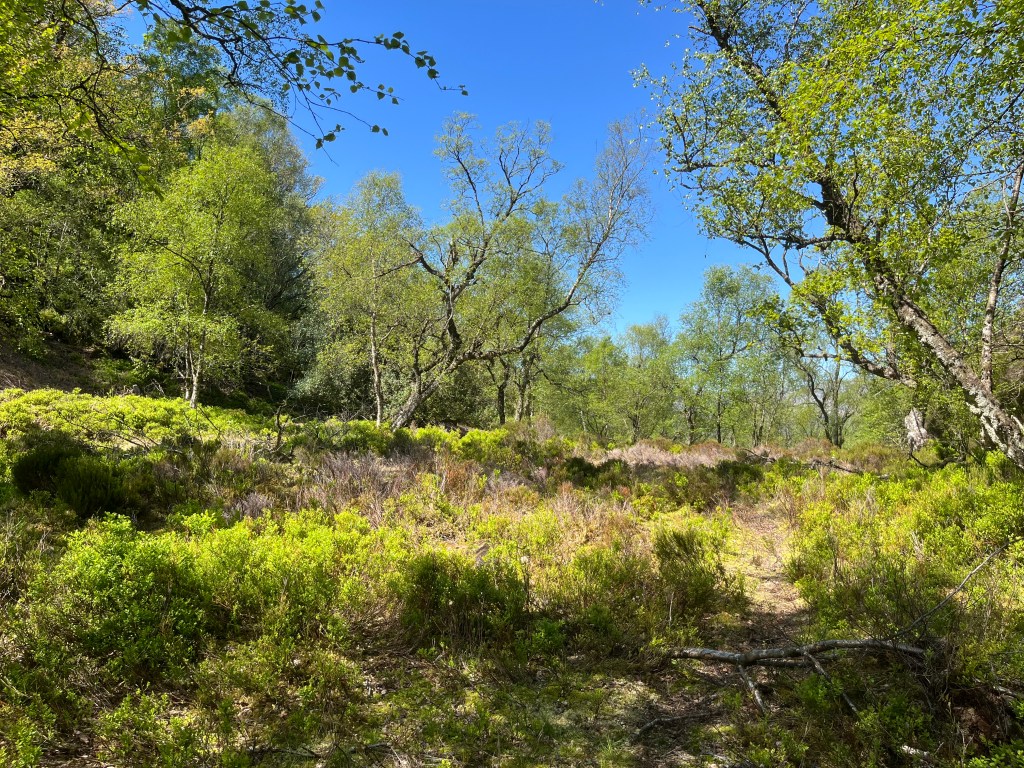
After a good night’s rest we headed for the ‘three loch forest drive,’ which you enter at the summit of the ‘Duke’s Pass’. It is a restricted area and to gain access there is a £3.00 charge at the entrance barrier. Speed is restricted to 10mph so it is a beautiful relaxed drive, with lots of stopping places, and walks and seats, and a picnic area with toilet facilities. We like to go in August when the heather is out, but the changing colours in the Autumn, in the trees and hedgerows made us think that September too, was also a great choice! So here’s a few pics from our Forest Drive.
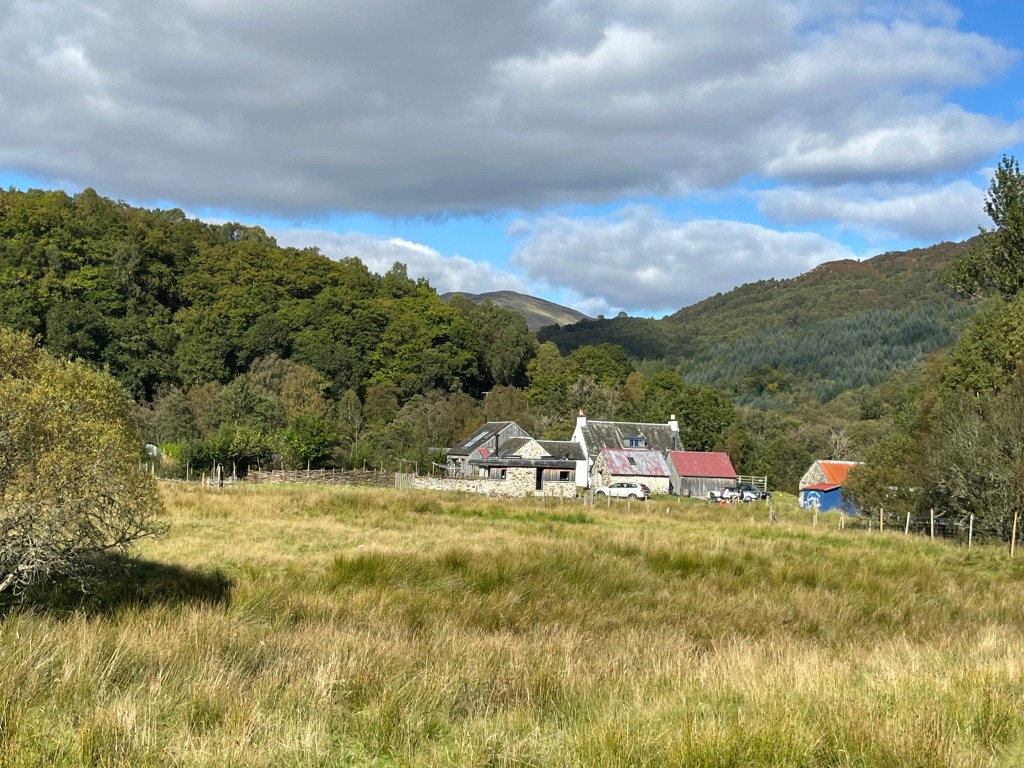
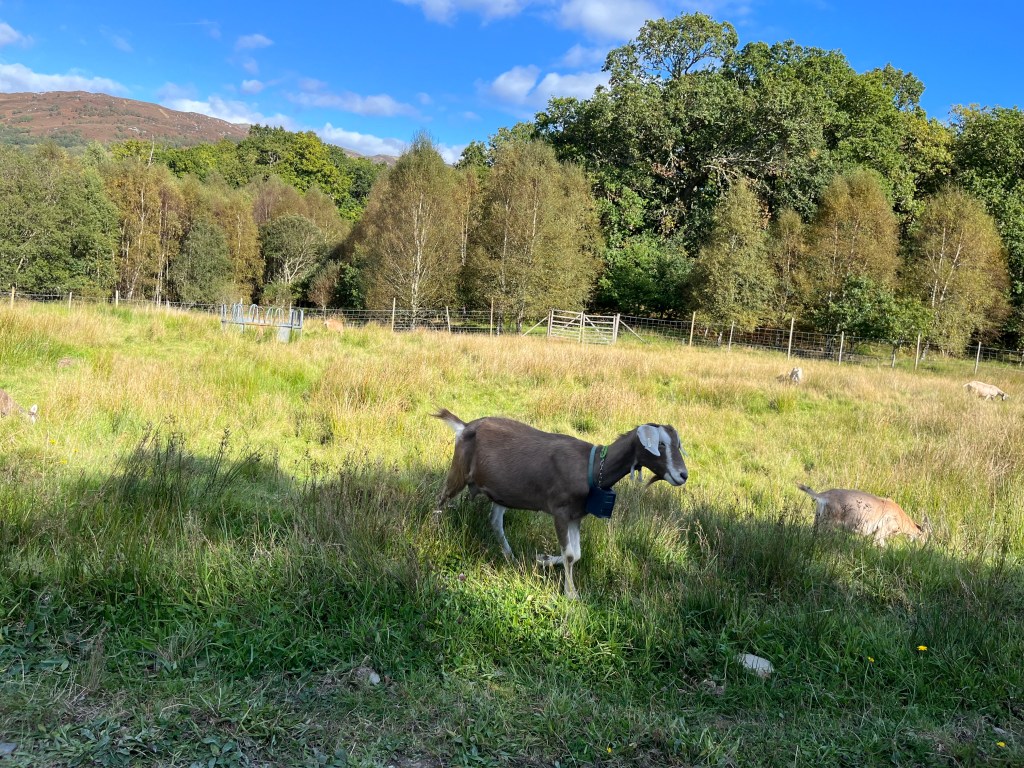
Loch Reoidhte< Loch Drunkie >< Forest walk – Loch Drunkie >The old Achray farmSome fine goats around!Loch Achray with Ben Venue in the background
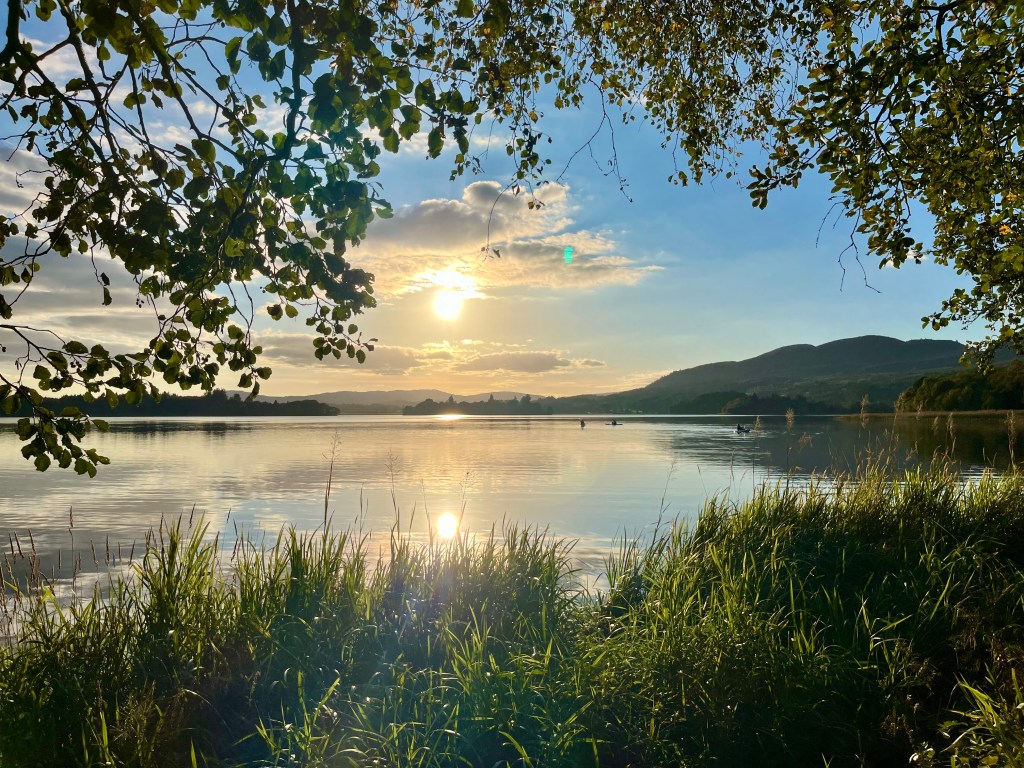
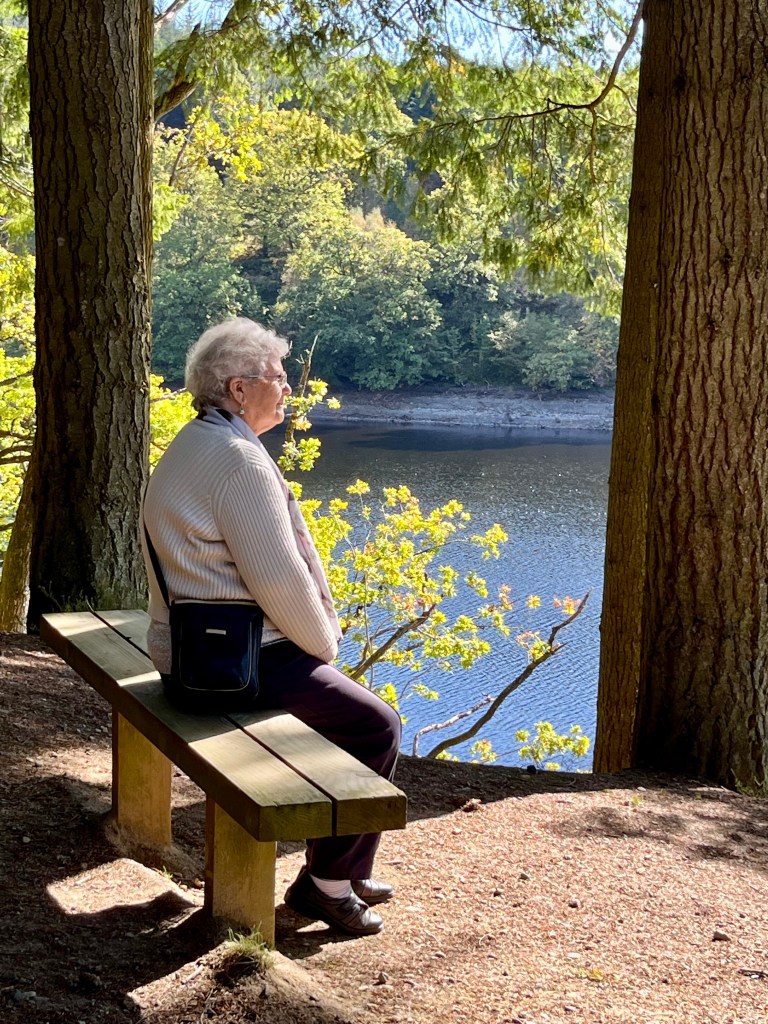
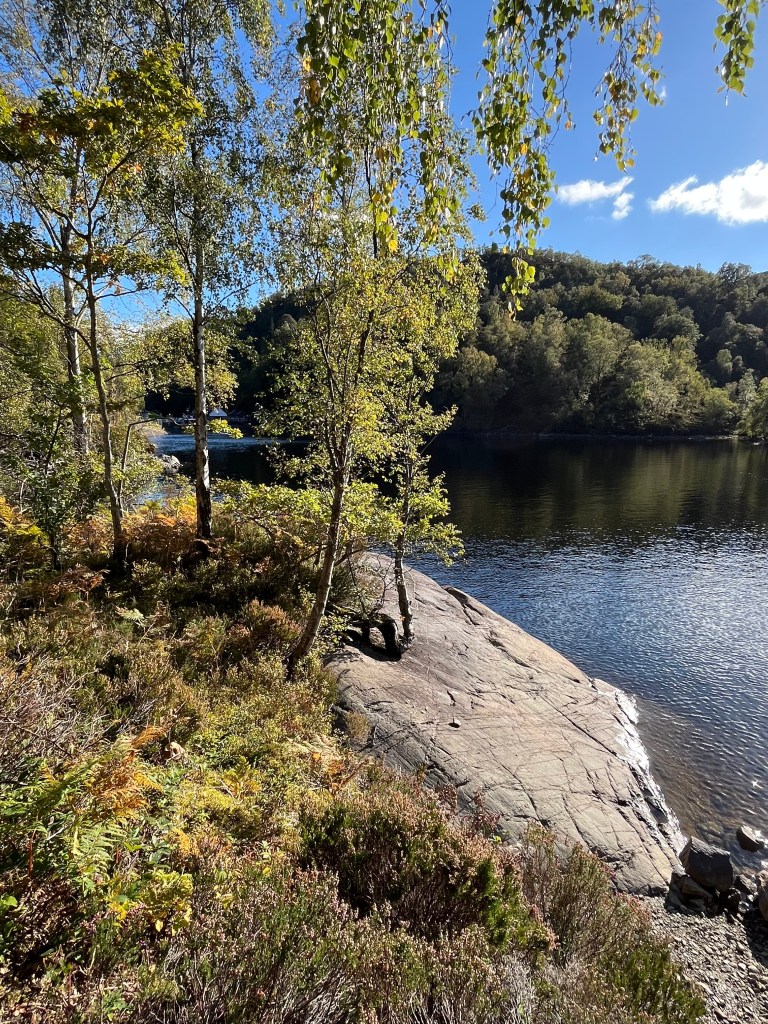
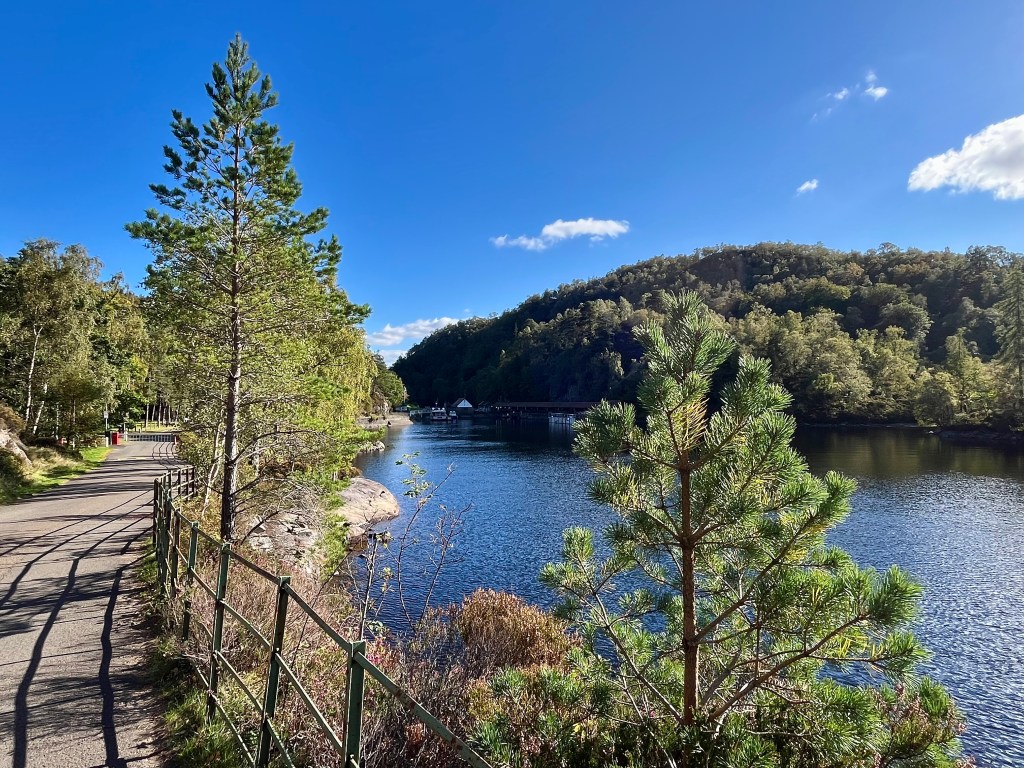
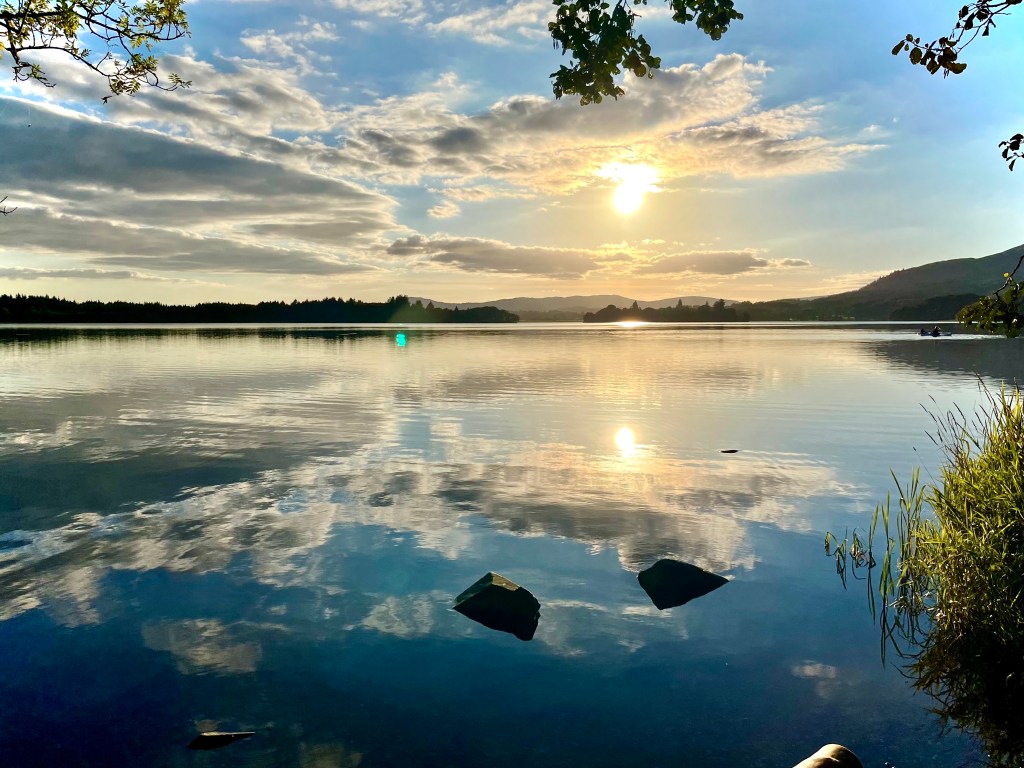
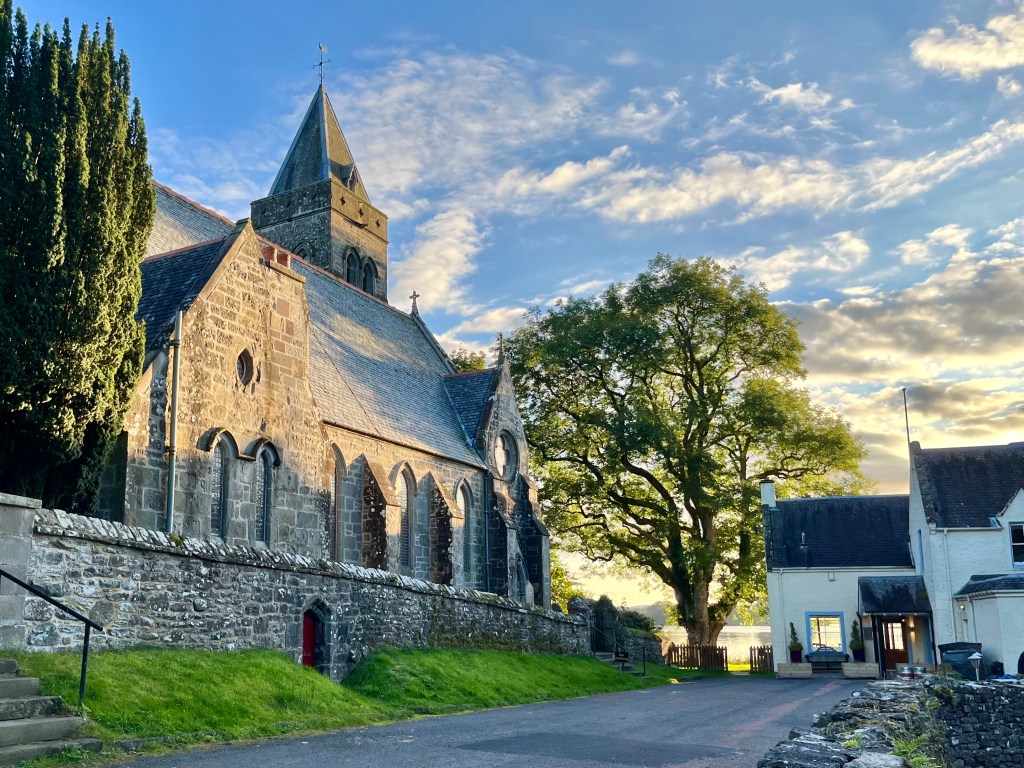
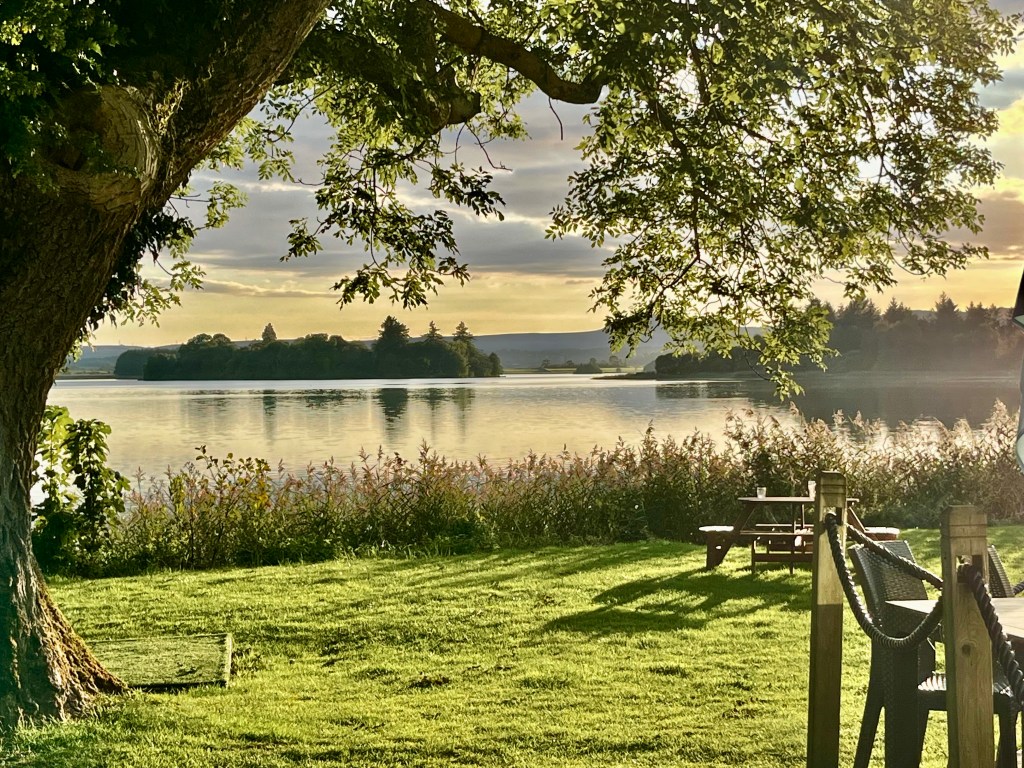
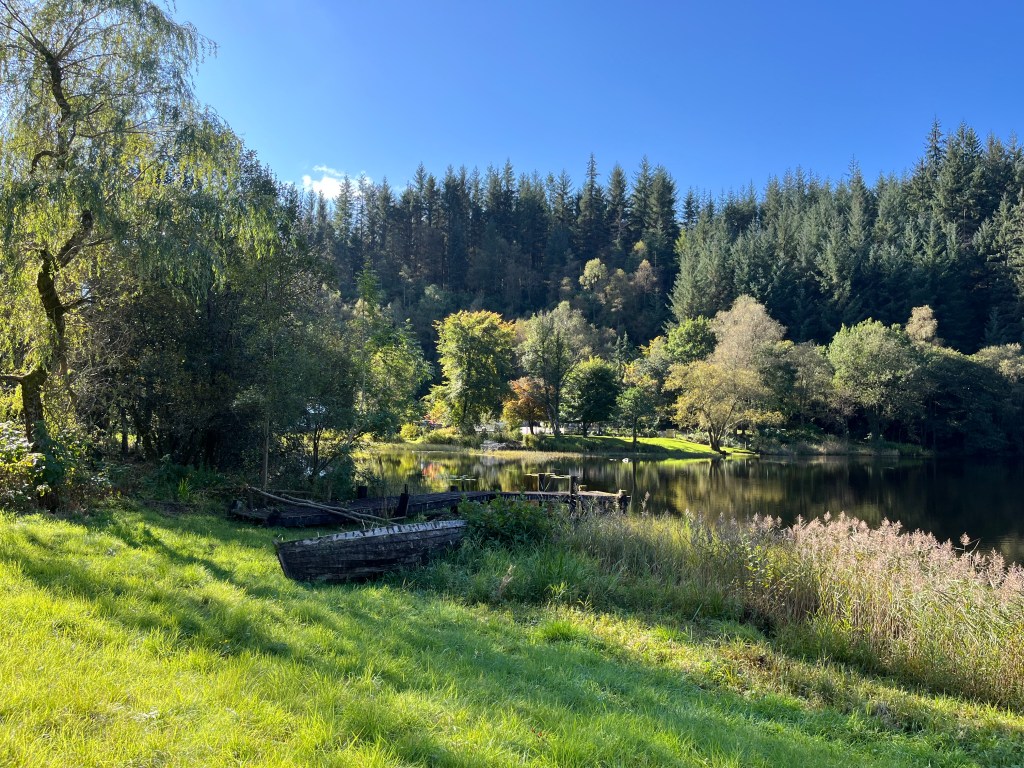
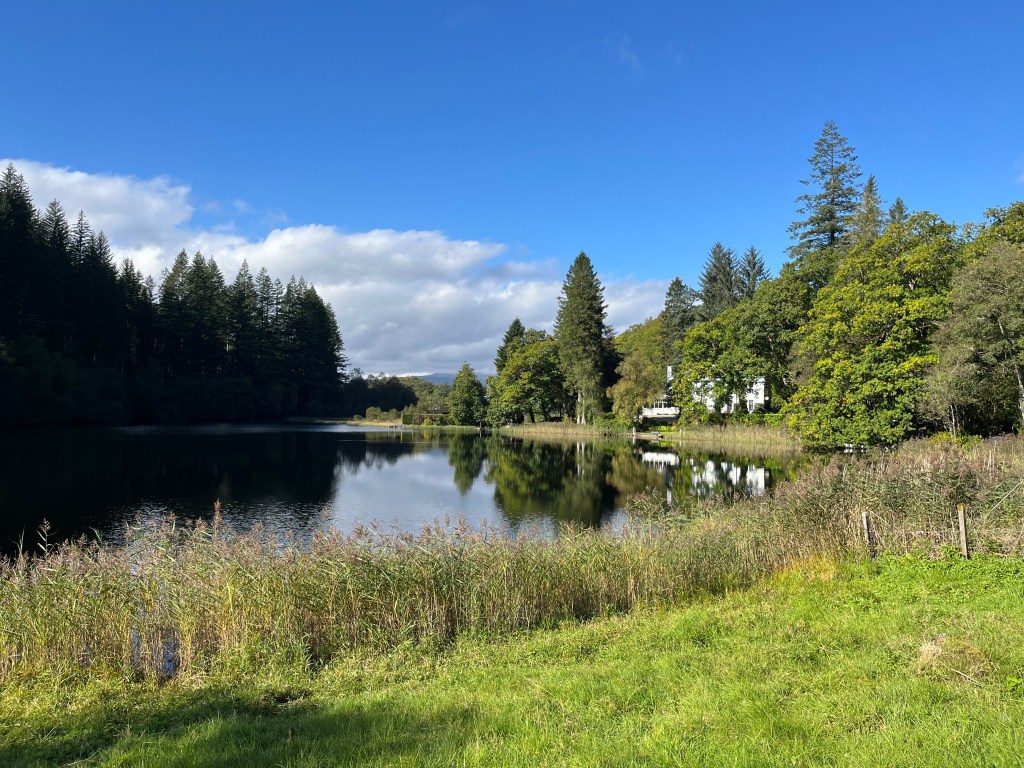
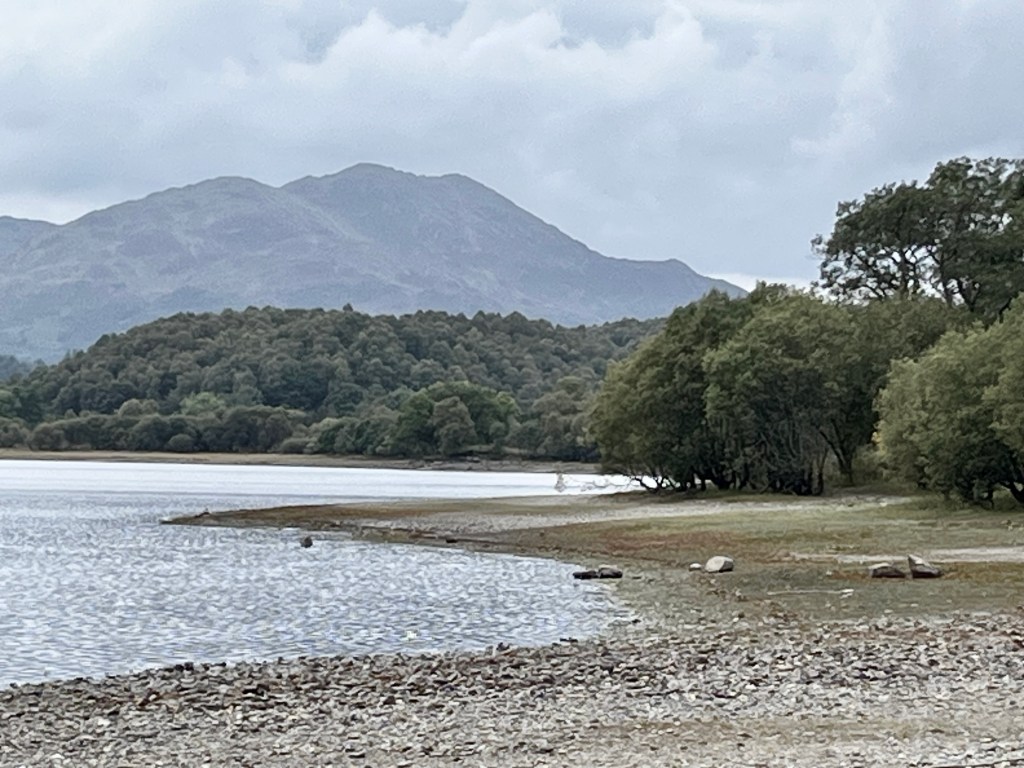
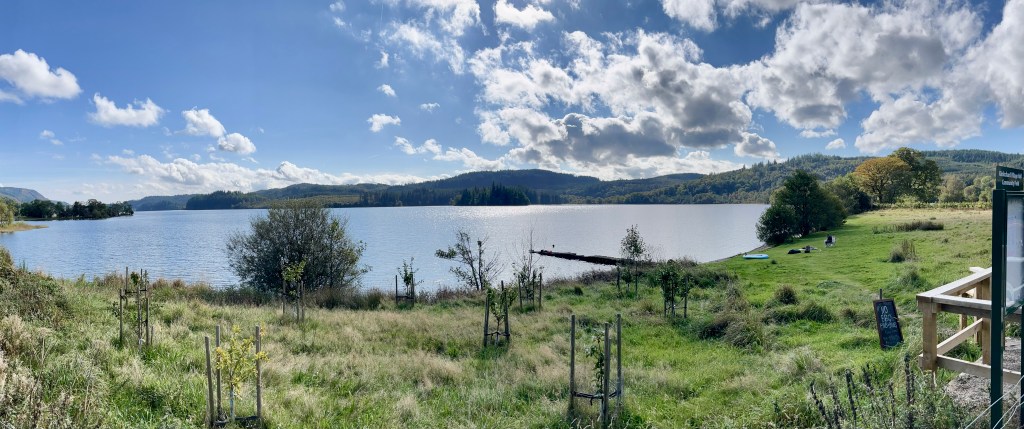
As we left the forest drive trail we were very near to Loch Katrine so we had a walk and seat by the side of the loch, and before dinner took some sunset photos at the Lake of Menteith. Here’s some more photos.
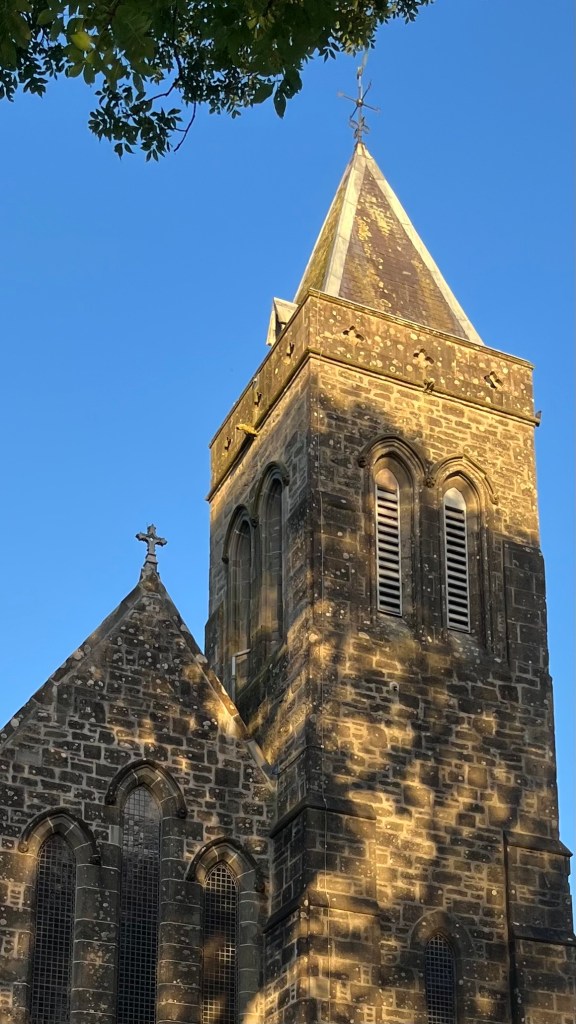
< Loch Katrine >Lake of Menteith< Port of Menteith Parish Church ^Lake of Menteith
On our final day we had an early morning visit to Kinlochard, and in the afternoon a drive over the hill to Callendar and the Woollen Mill there. Now some final photos!
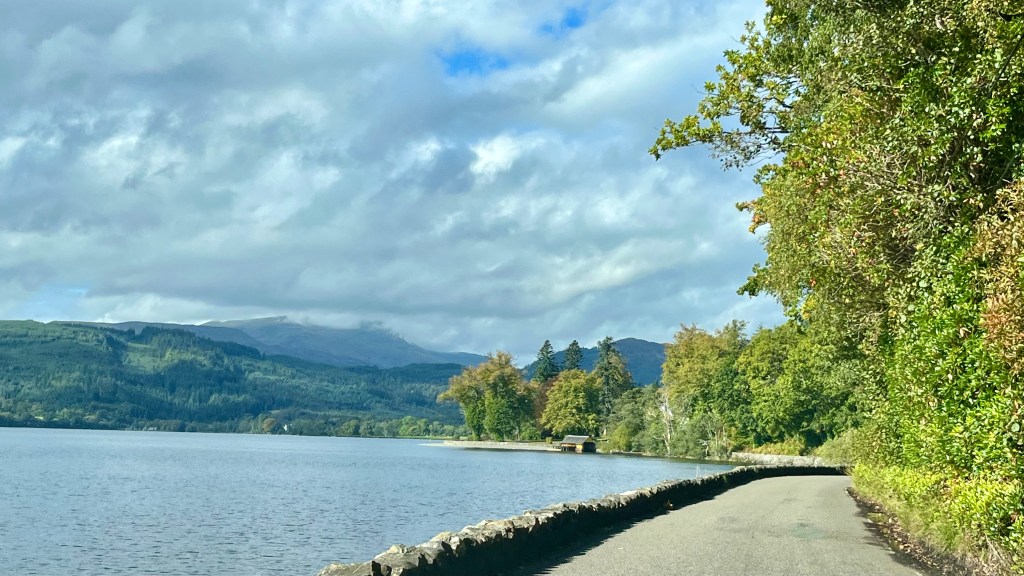
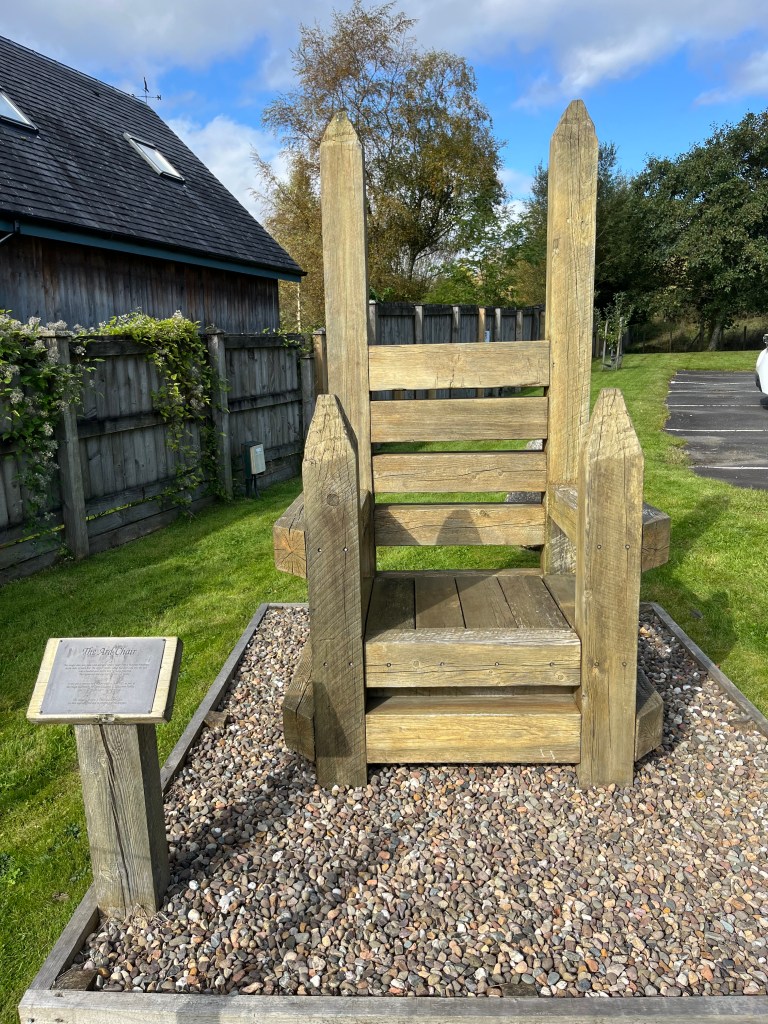
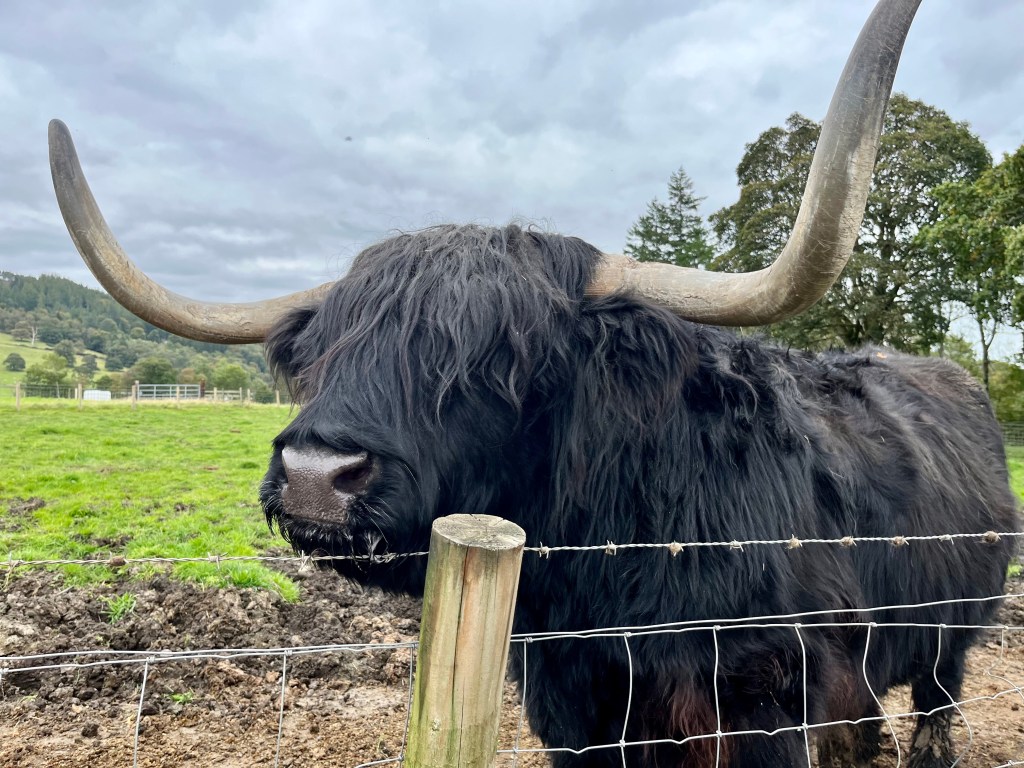
< On the Road to Kinlochard >Loch VenachurMemorial Chair KinlochardLoch VenachurCoffee time!Well fed Highland cow.The Duke’s PassMother and daughter.Another sunny morning in Gartmore!Time to relax.Kinlochard
At the Woollen Mill we smiled when we noticed they were selling bags of food to allow the tourists to feed the Highland cows! There is always someone with a novel idea for making a bob or two 🙂
Well it was nice to be away for a few days, without listening to the news bulletins, with their daily dose of bad news. and being able to eat out in the relaxed ‘Faerie Tree Restaurant’ in Aberfoyle in the early evening. Time then for a good read and another cup of tea before bed.
At that time I was reading Justin Brierley’s book ‘The Surprising Rebirth of Belief in God: Why New Atheism grew Old, and Secular Thinkers are considering Christianity again”. Early in the book he was quoting from the poem by Matthew Arnold – “the interesting thing about the sea of Faith is there’s no reason why it can’t come back in. The sea doesn’t only withdraw you know, it’s the point of tides.”
This is not the place for a book review, but I would recommend it, as it covers a wide range of topics which the writer believes points to a firm foundation for belief and faith in God.
Today I’ll close with a lovely Christian hymn speaking about the God of Creation.
Hope you enjoy the photos and this beautiful video.
So I wish you God’s blessing wherever you are, thanks for coming on to the blog, and I hope you’ll come again. You may like to subscribe.
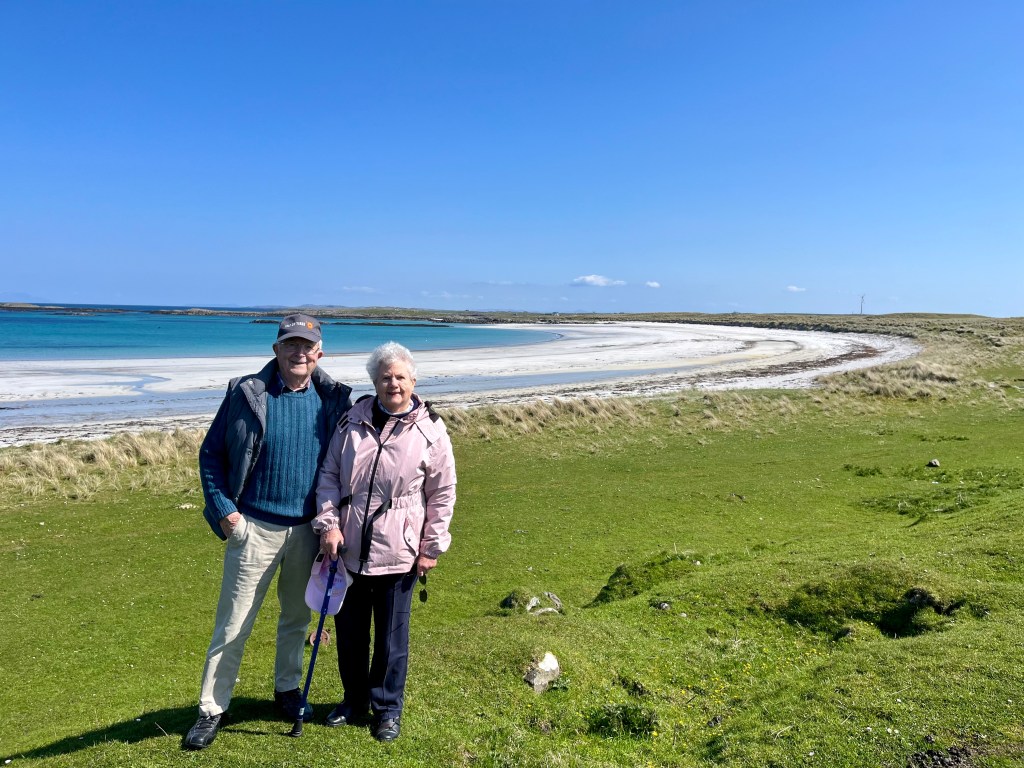
It seems no time at all since the end of April, when we were on holiday in the beautiful island of Tiree off the west coast of Scotland. Soon we were out and about on our various trips to many of our favourite picnic haunts, in some glorious Spring weather.
Now looking back I reflect on all that has happened since, which has caused us to re-evaluate our new circumstances and to ponder on how quick life can change. Before I expand on that let me share some photographs of our adventures in Springtime.
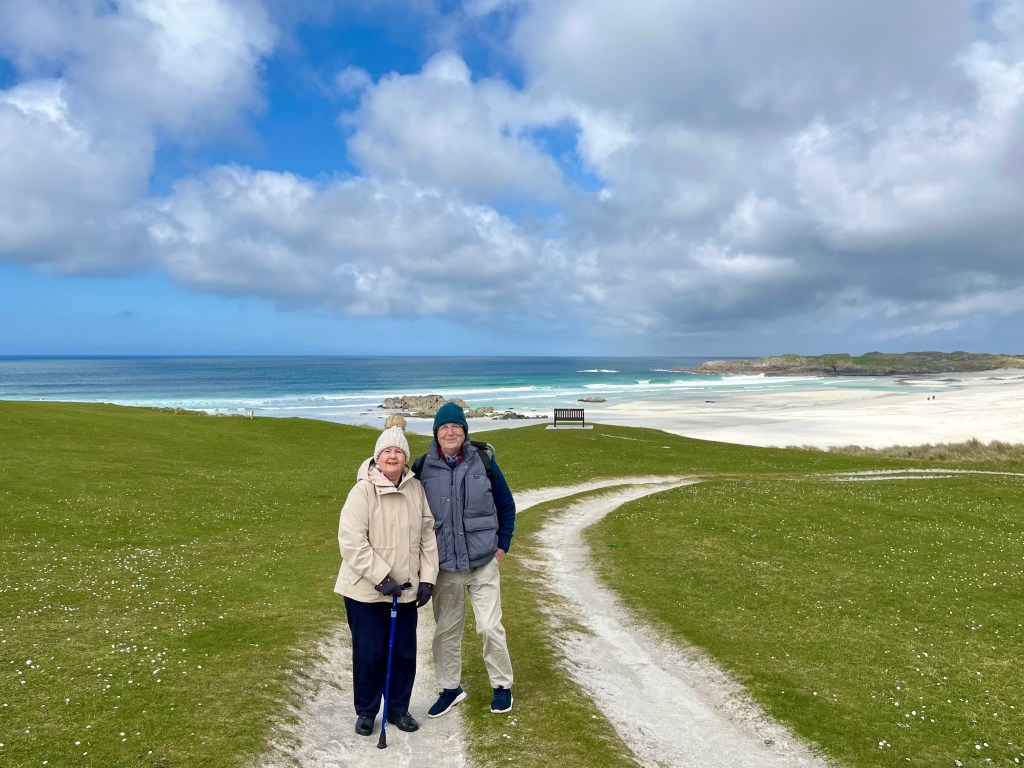
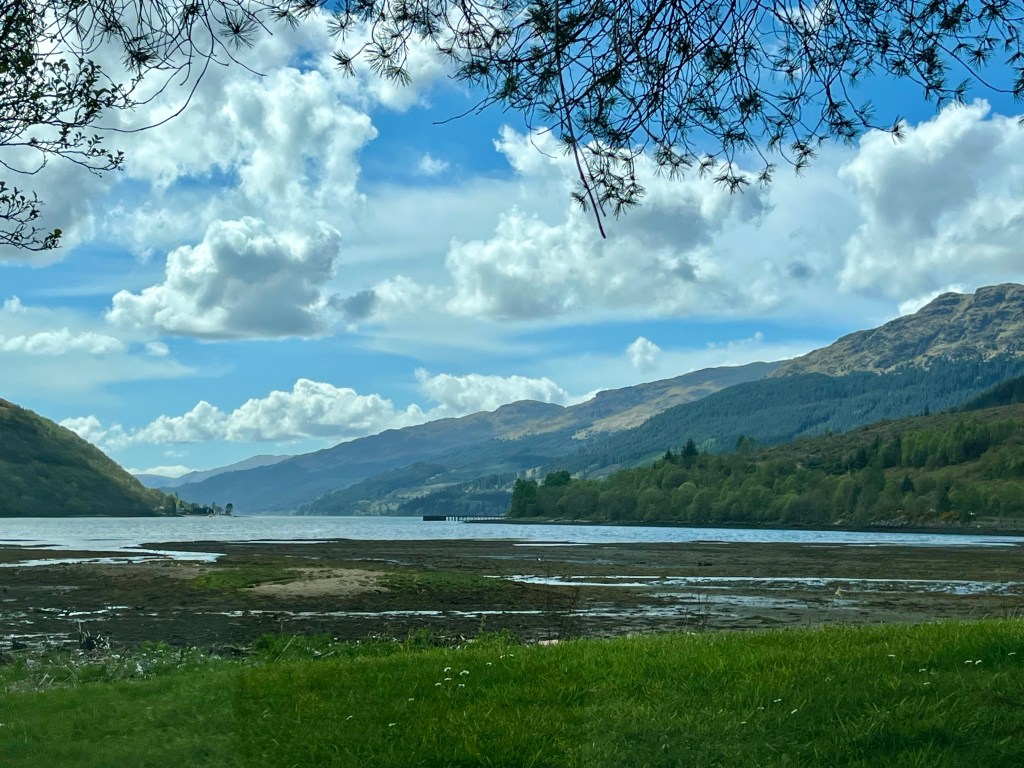
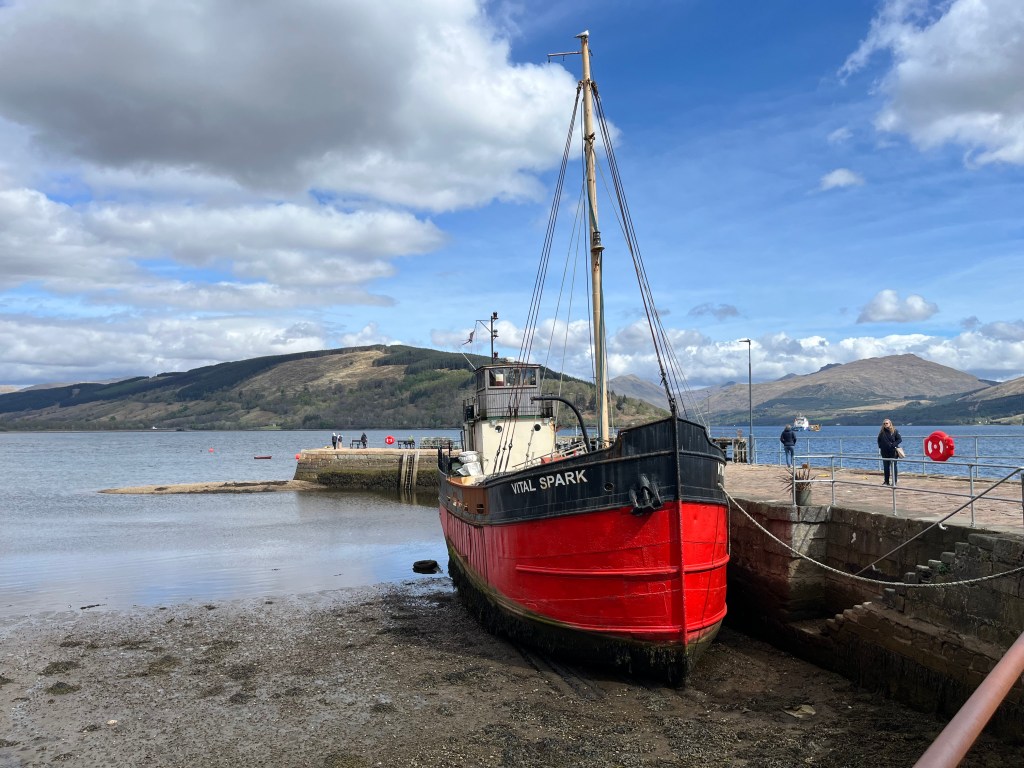
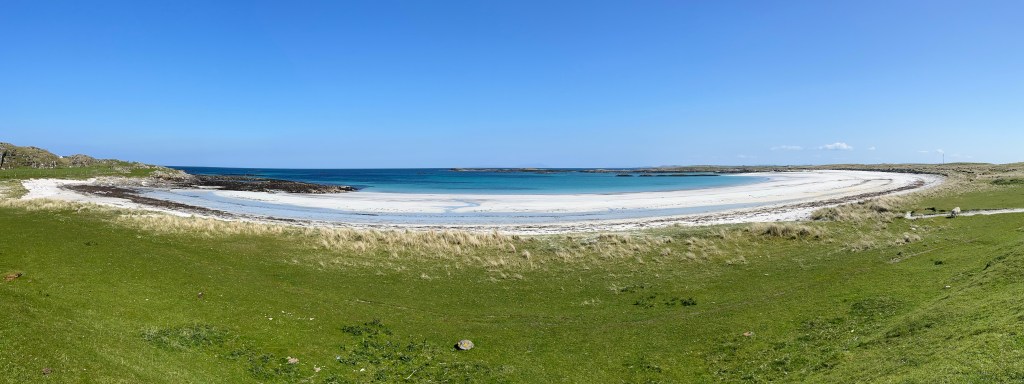
Yes we had an amazing holiday in Tiree, the weather was cool but beautifully sunny almost every day. We enjoyed slowly driving around the island and walking on the white sandy beaches and taking in the breathtaking beauty which surrounded us. It was the lambing season and signs of new life were everywhere, in the flowers, birds and young lambs and calves. Here are some photos, first showing our journey by car from Glasgow to Oban.
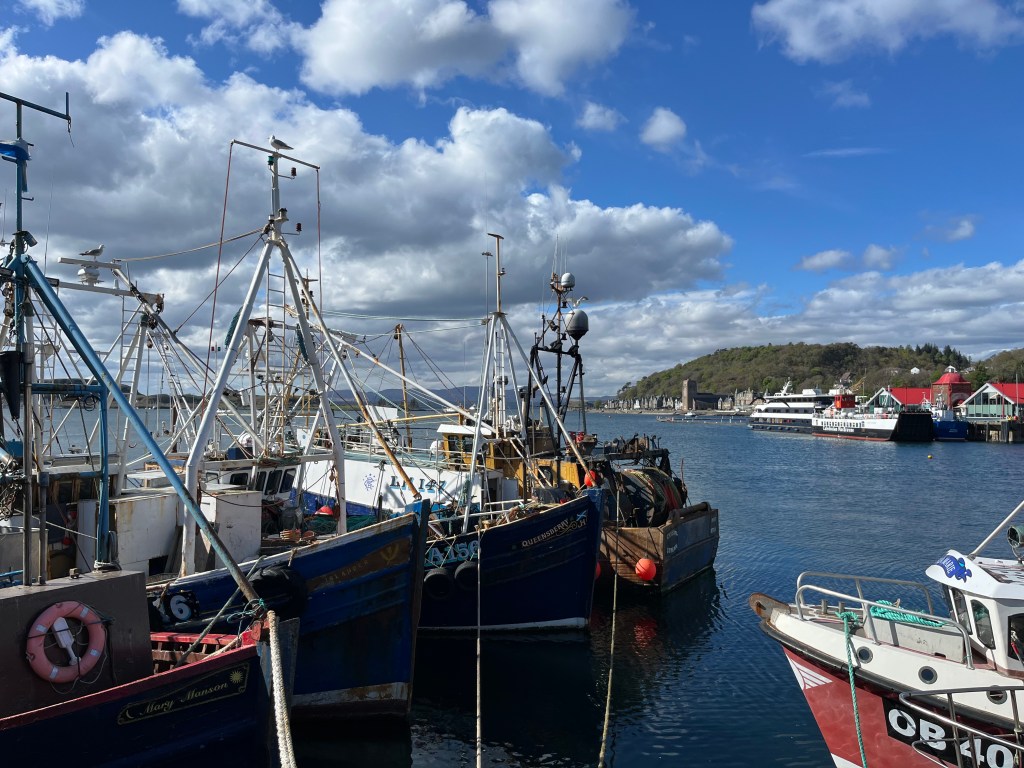
Loch Long at ArrocharLoch Fyne at InveraraySt Conan’s KirkSt Conan’s KirkSt Conan’s KirkSt Conan’s KirkOban HarbourGanavan Sands – Oban
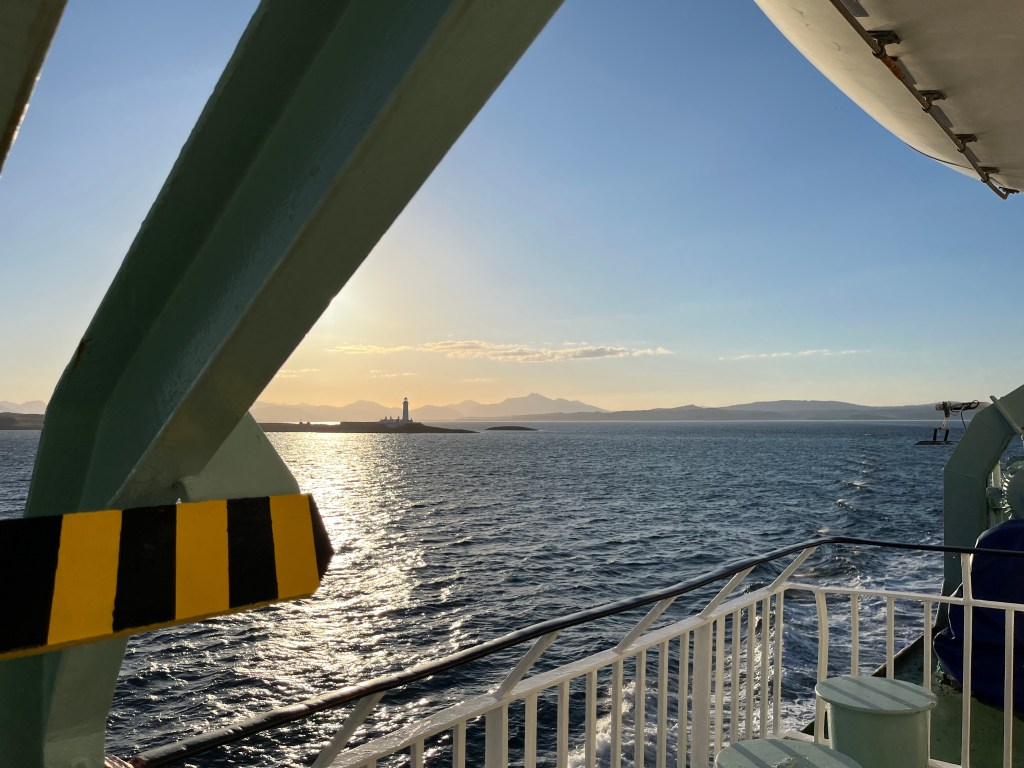
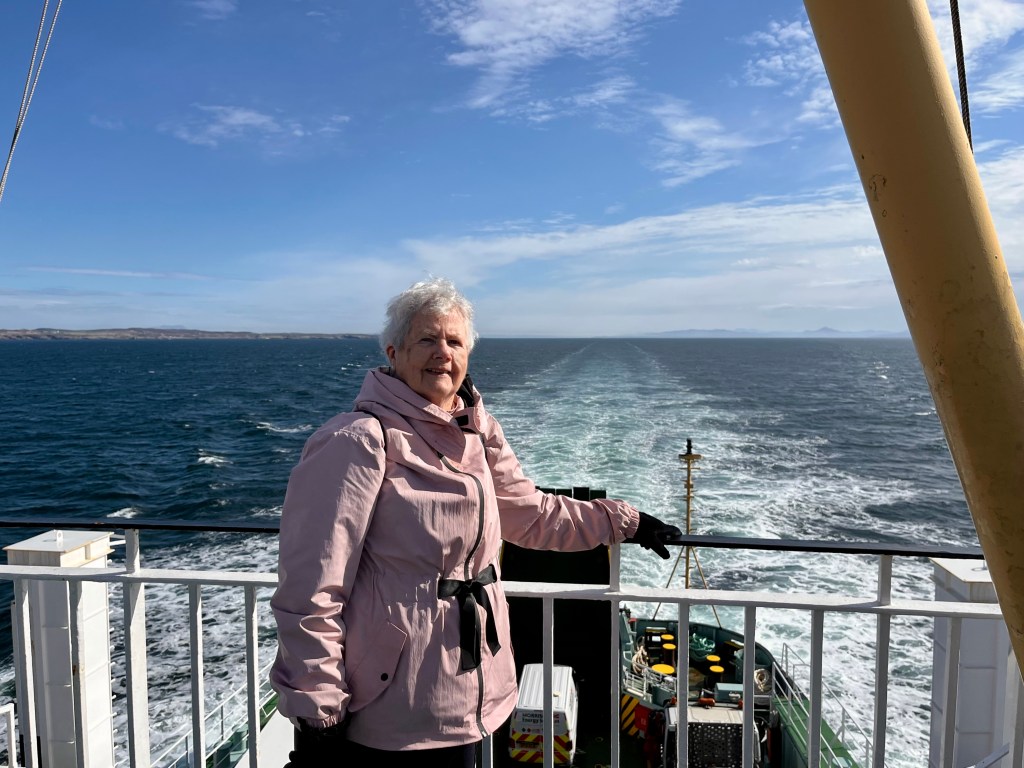
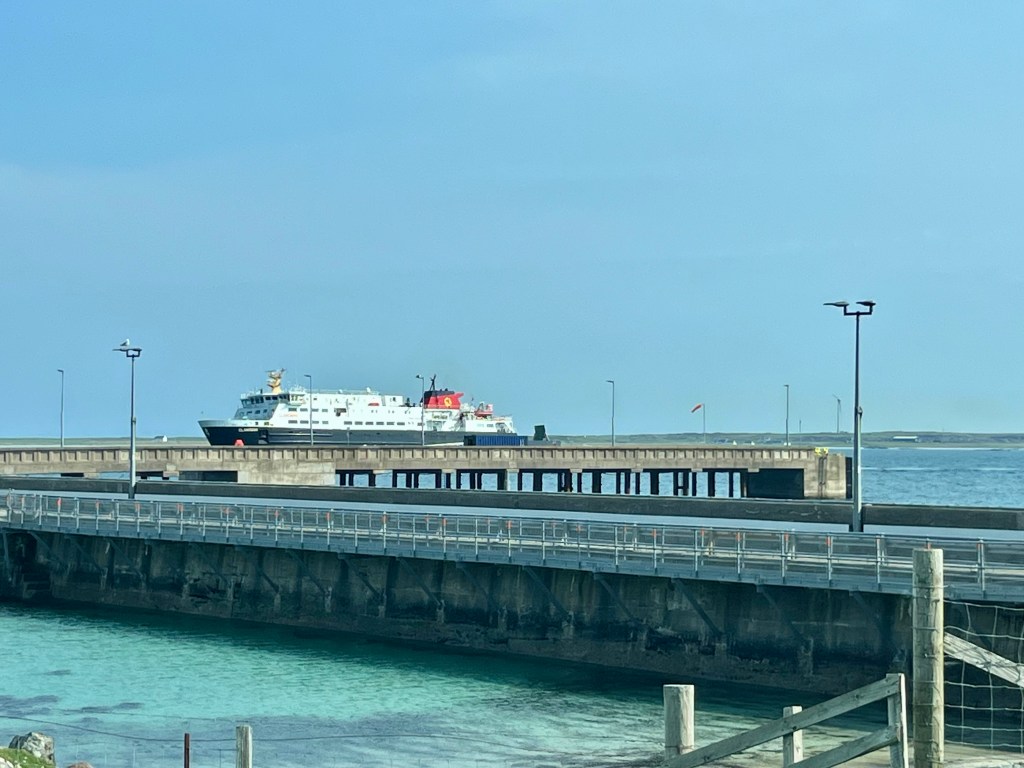
We had a night’s bed and breakfast in Oban and next morning caught the early morning ferry to Tiree via the Isle of Coll.
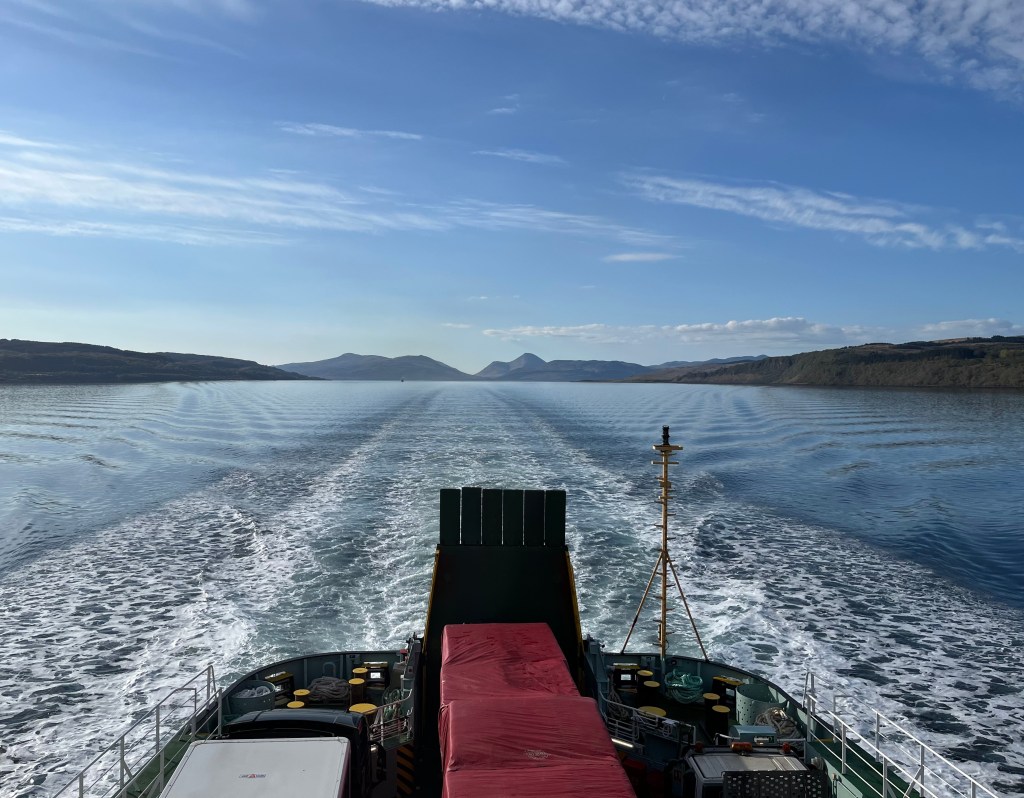
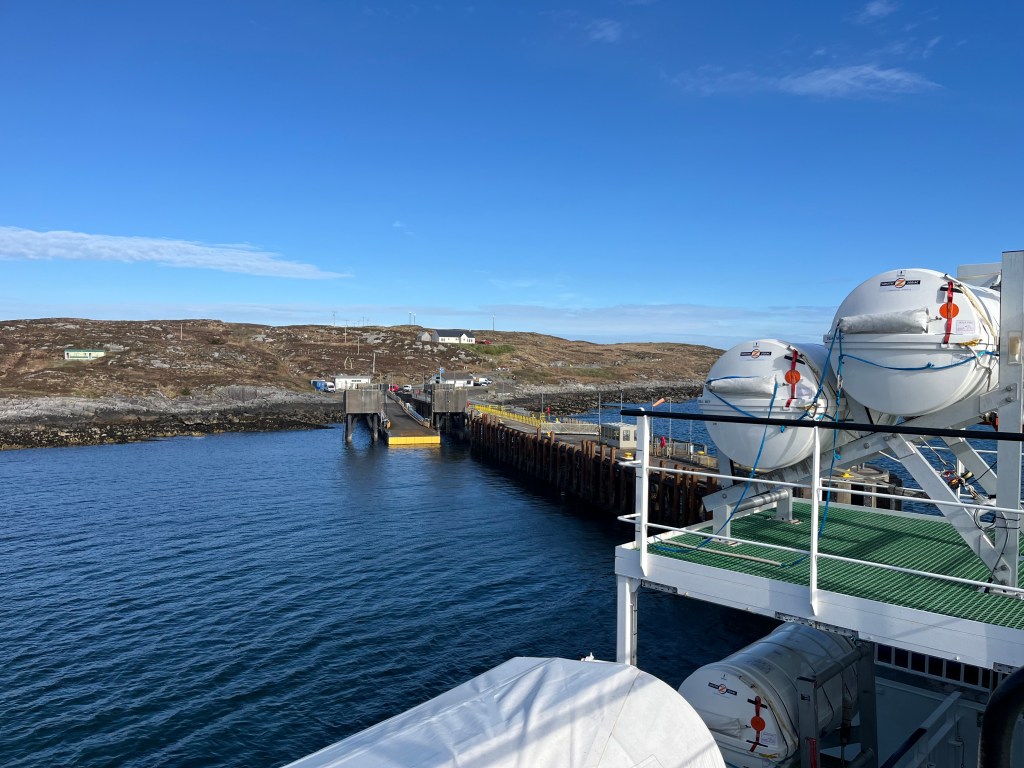
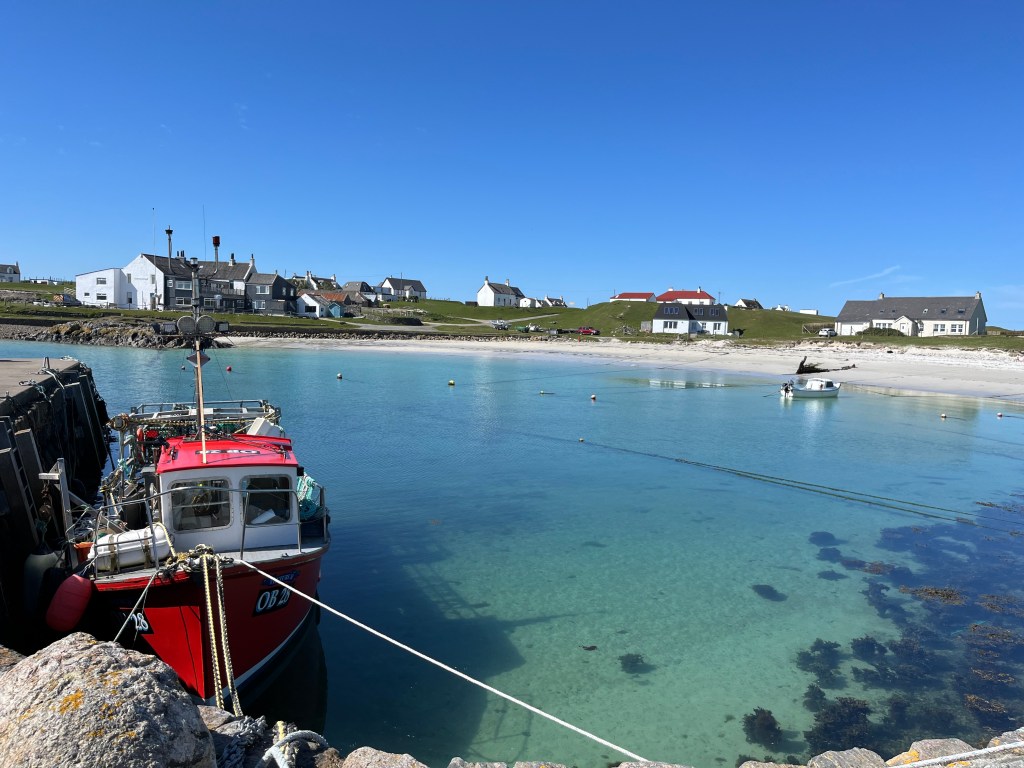
Passing Lismore Lighthouse at dawnLeaving CollArrive Tiree
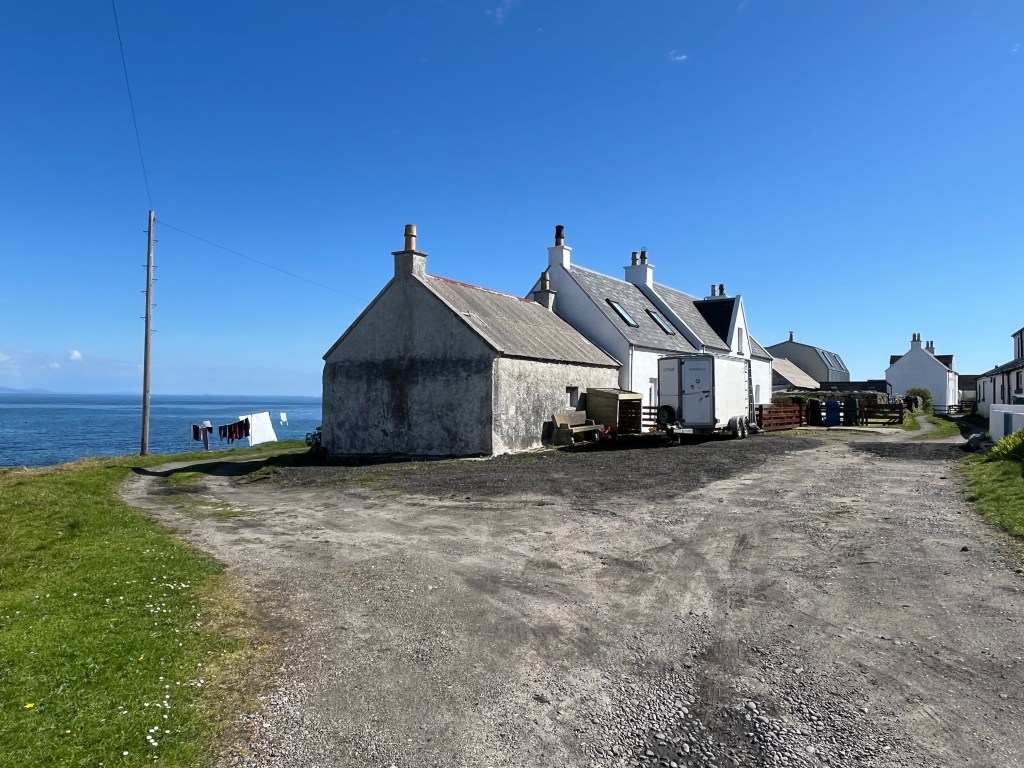
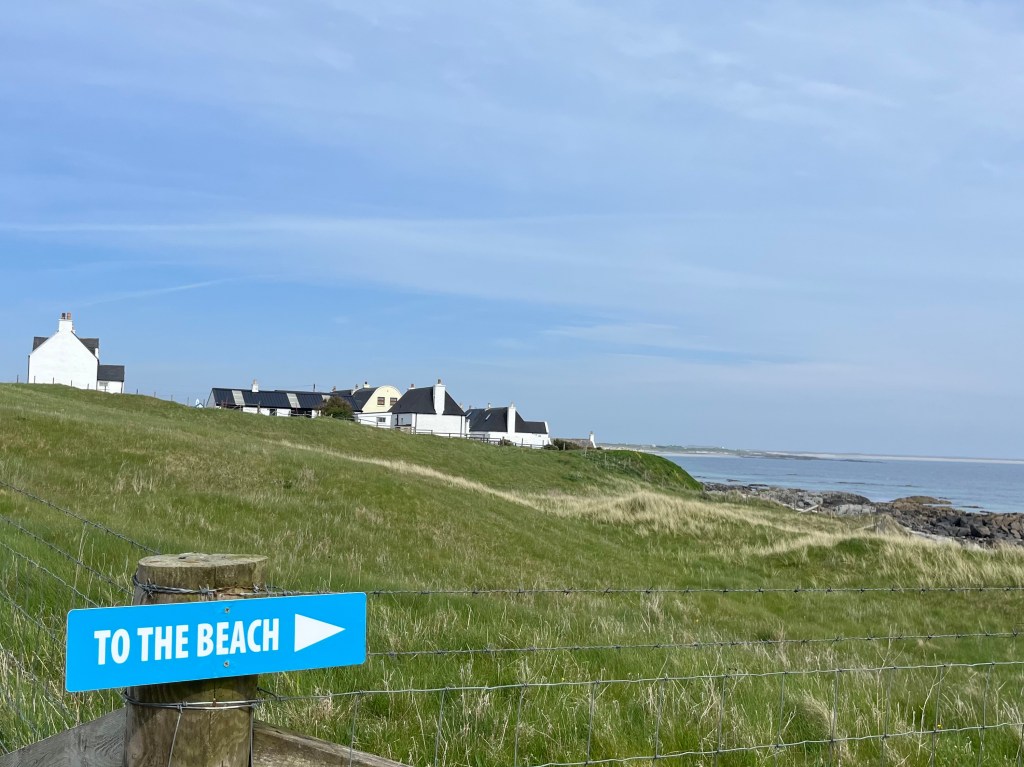
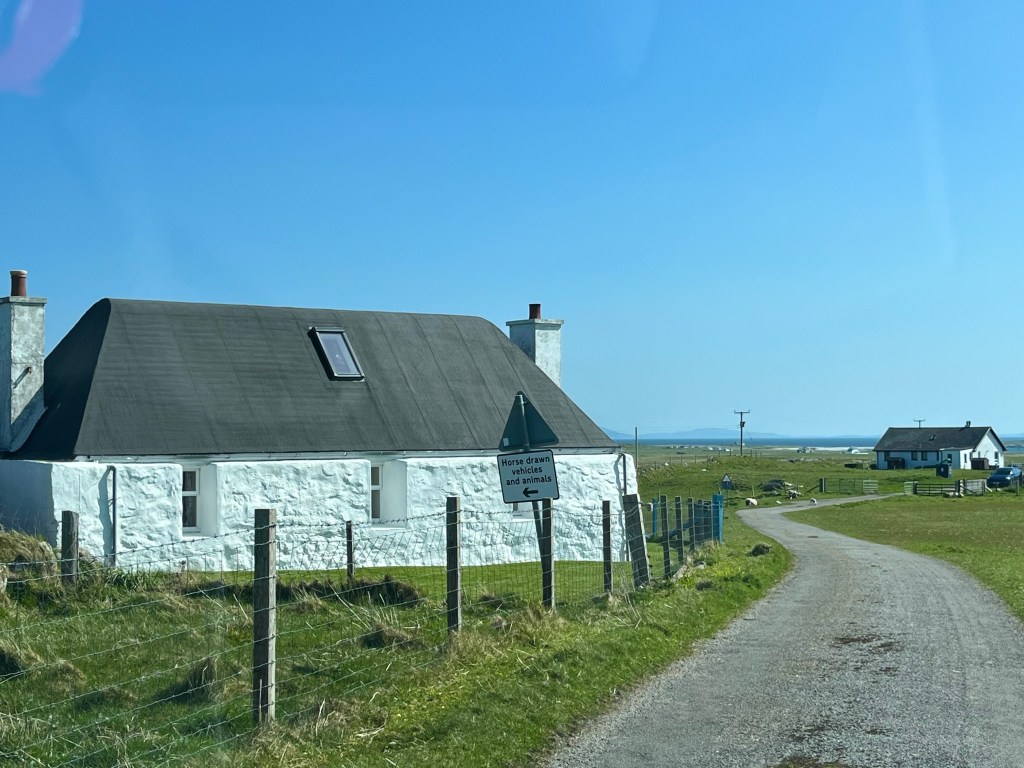
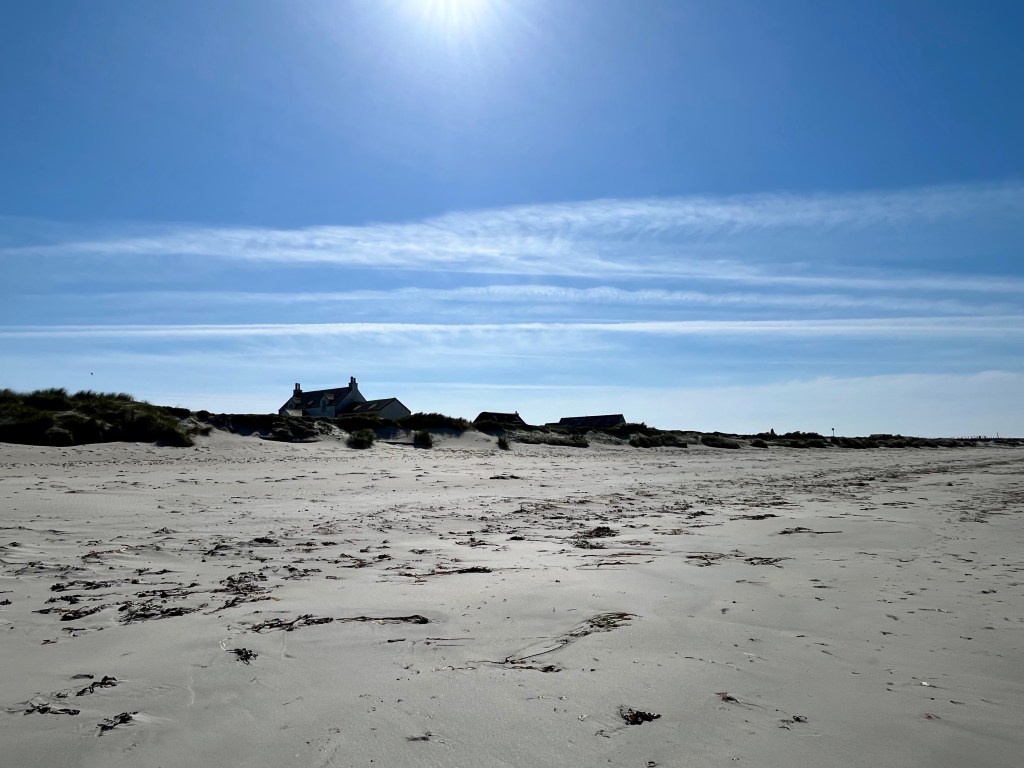
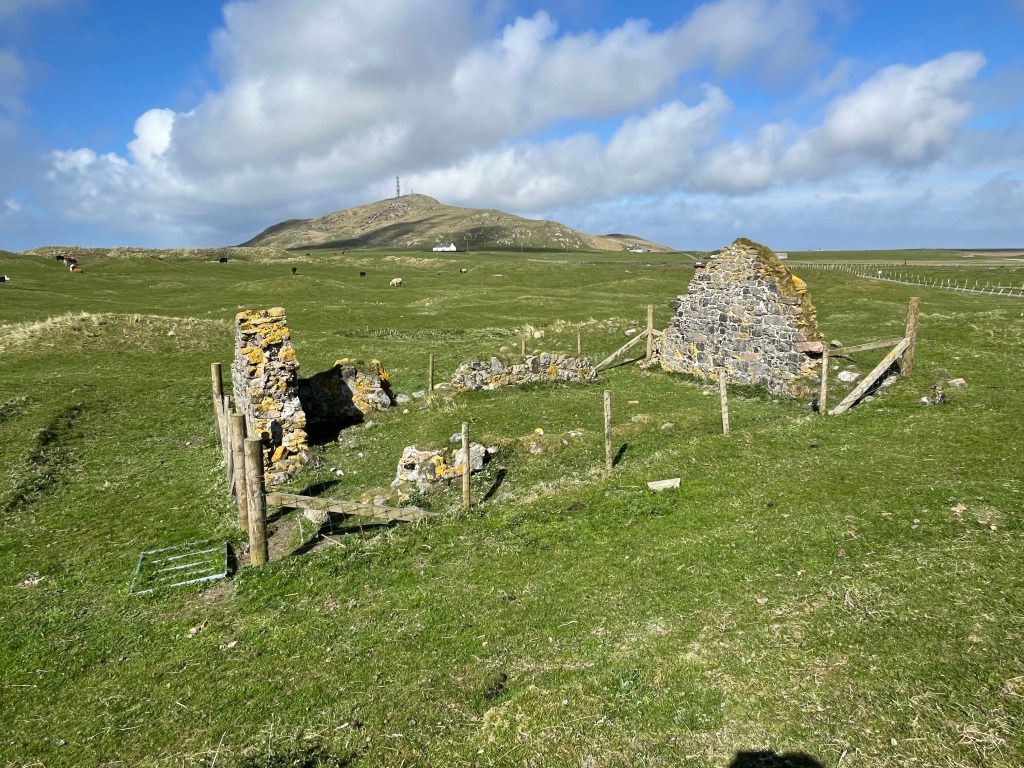
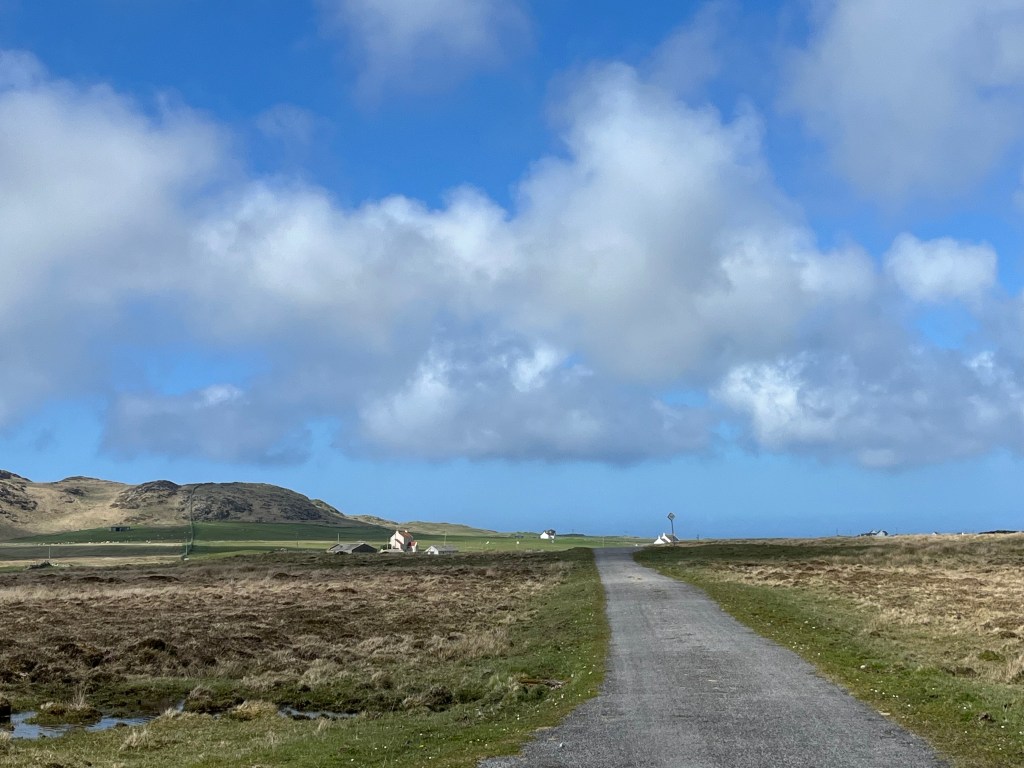
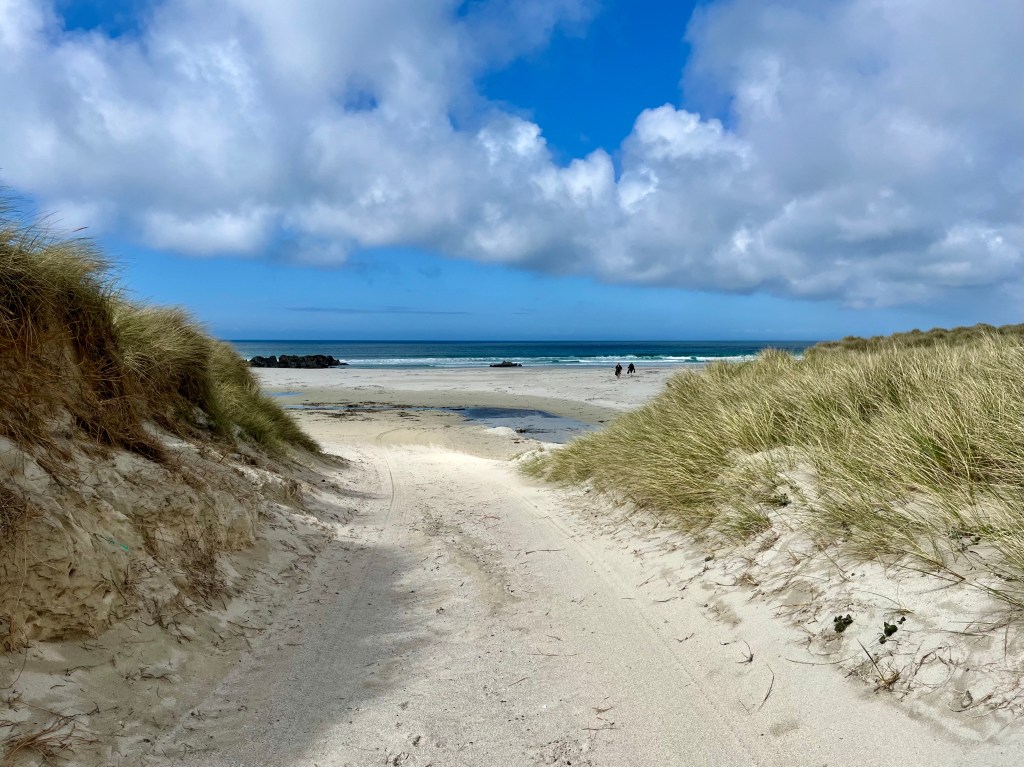
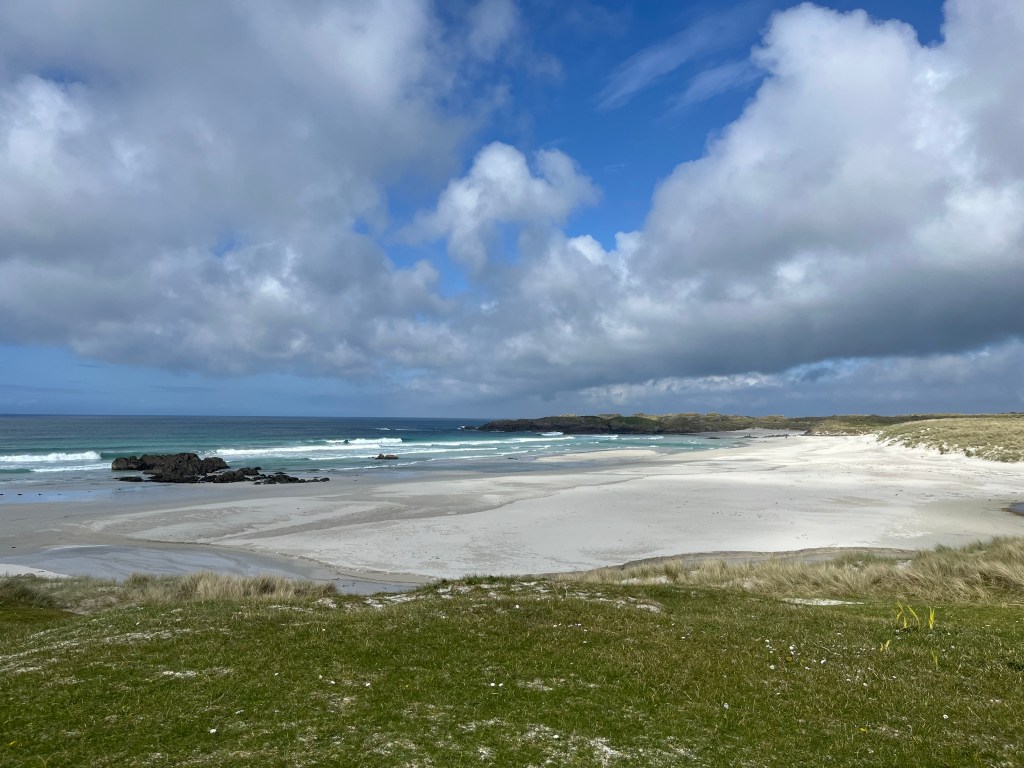
A week’s stay in Tiree was as usual a week of peace and tranquility, and somehow we always manage to enjoy many sunny days. Yes it was April, with still a cold wind so you need to dress appropriately. Too many photos to show, but here are some of this years favourites.
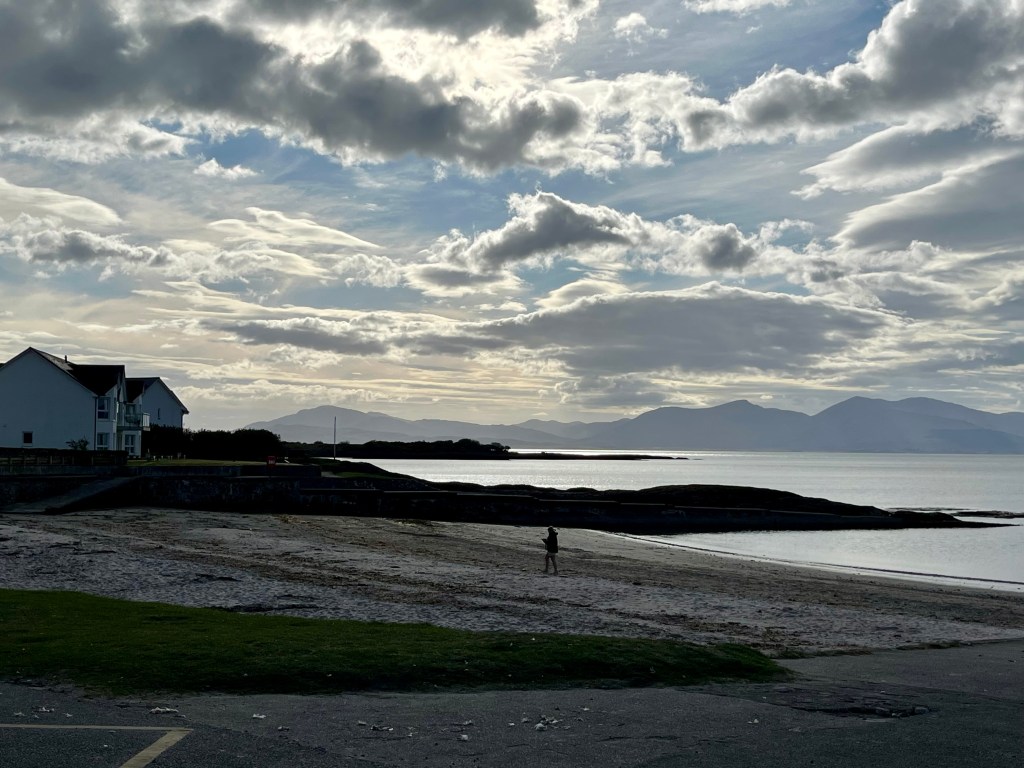
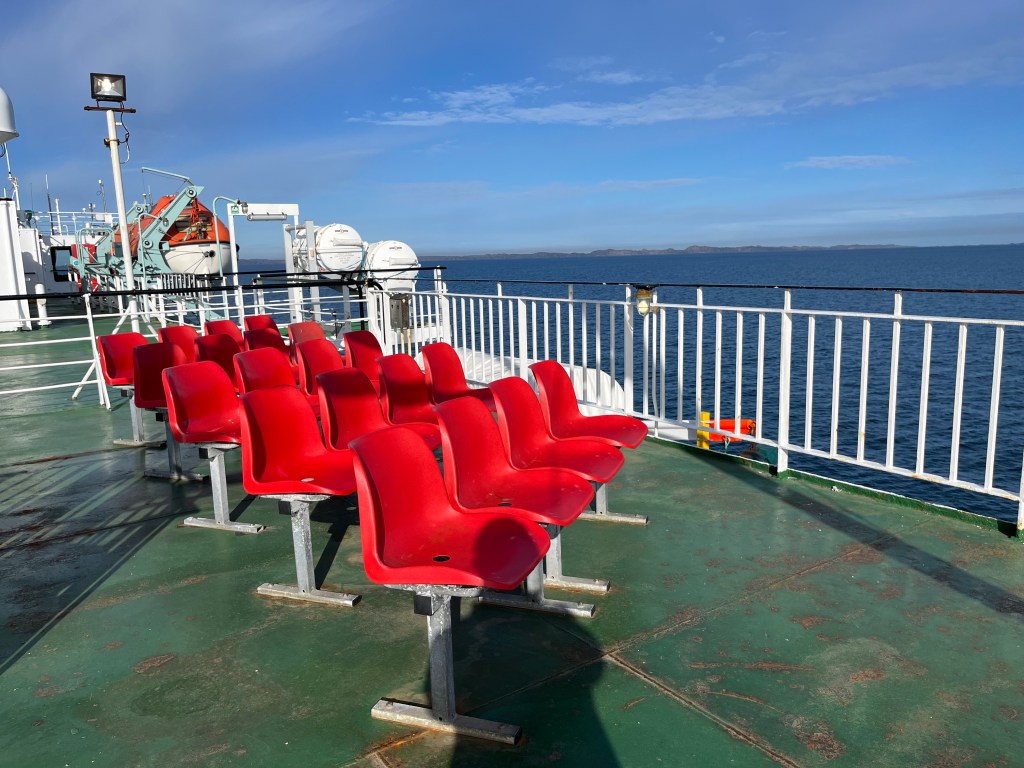
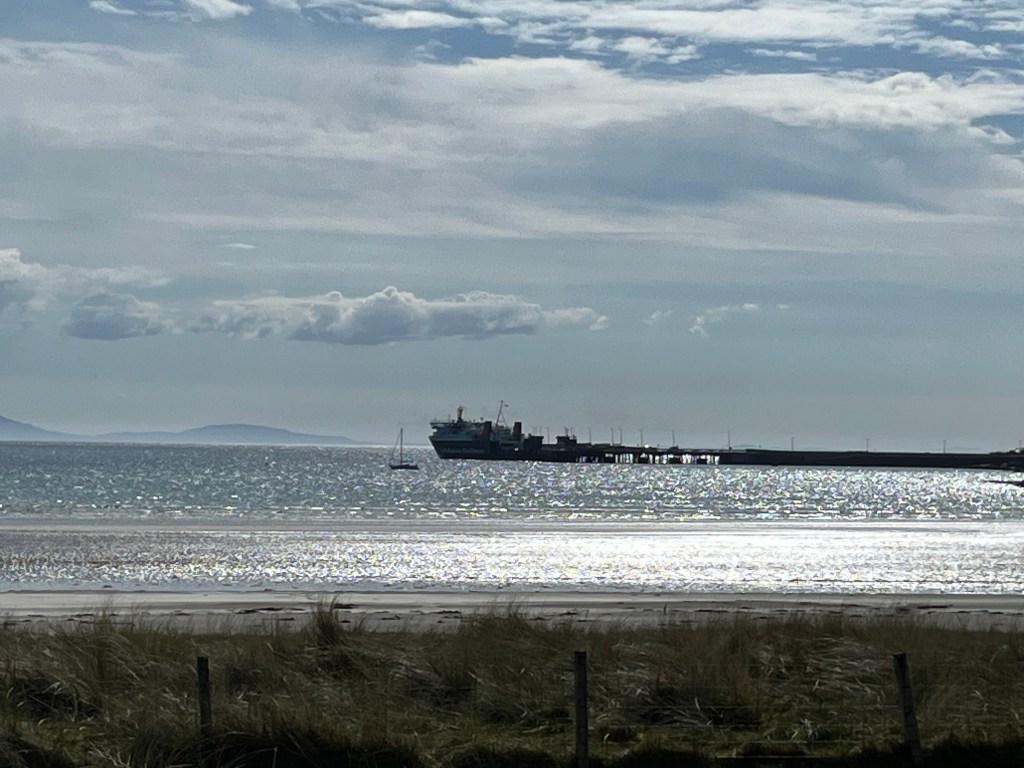
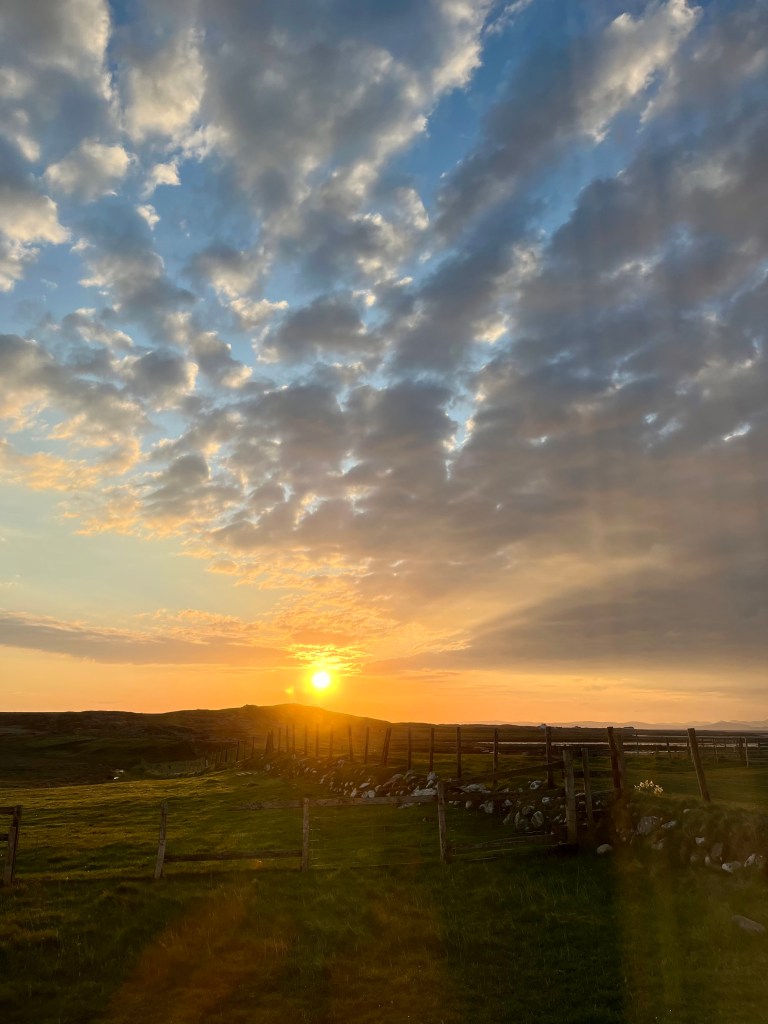
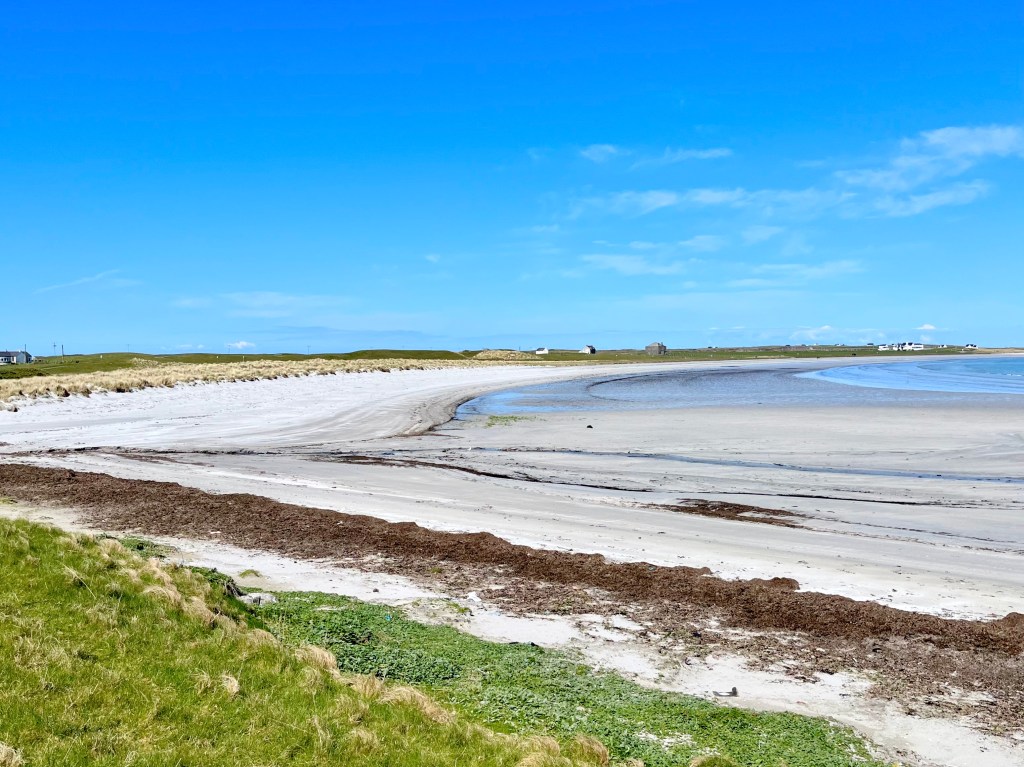
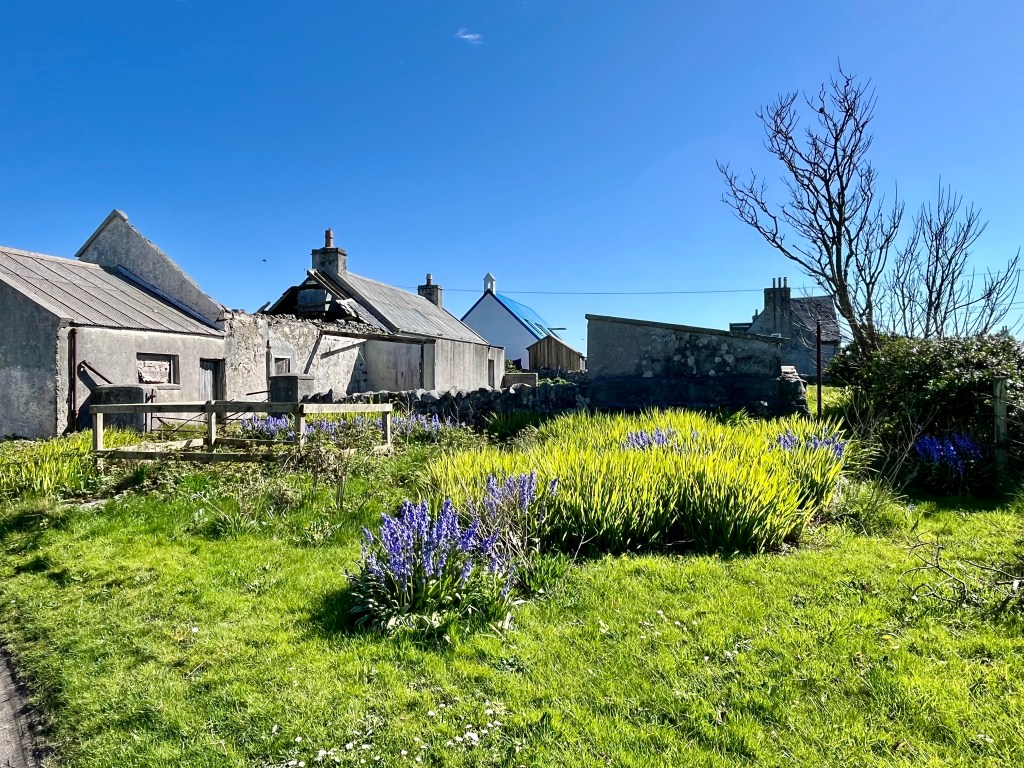
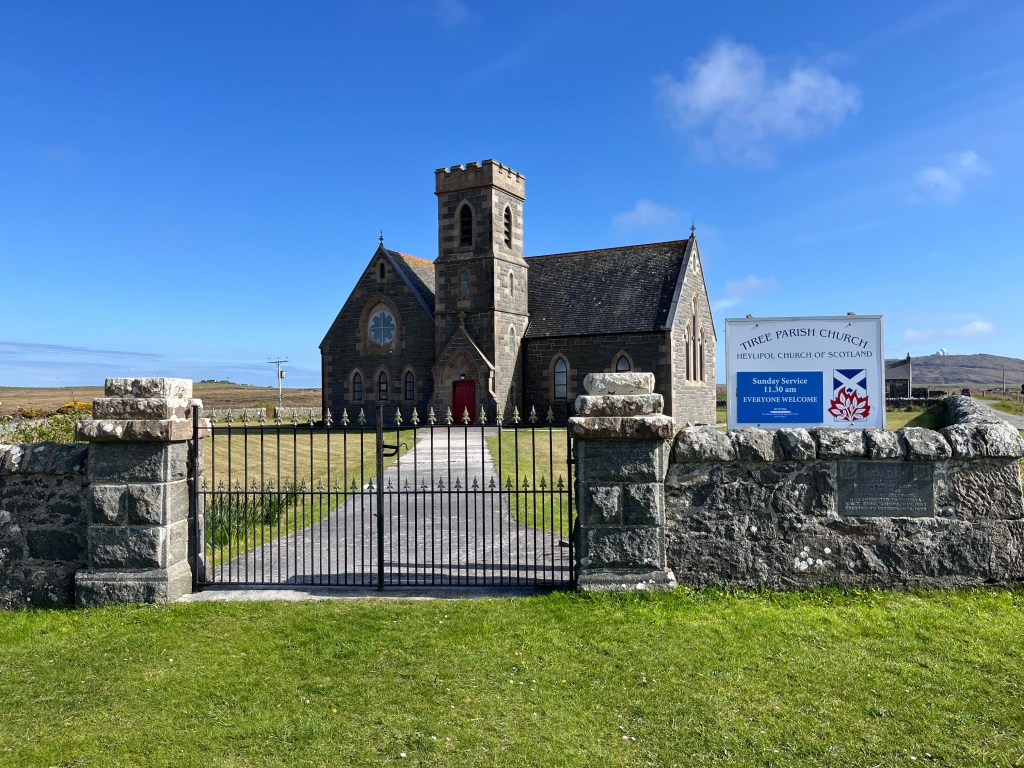
Good morning Tiree!Gott BaySkarmish< Balemartine >VaulBalephetrishVaul BayVaul BaySt Kenneth’s ChurchBallevullinTime to go homeBalevullin
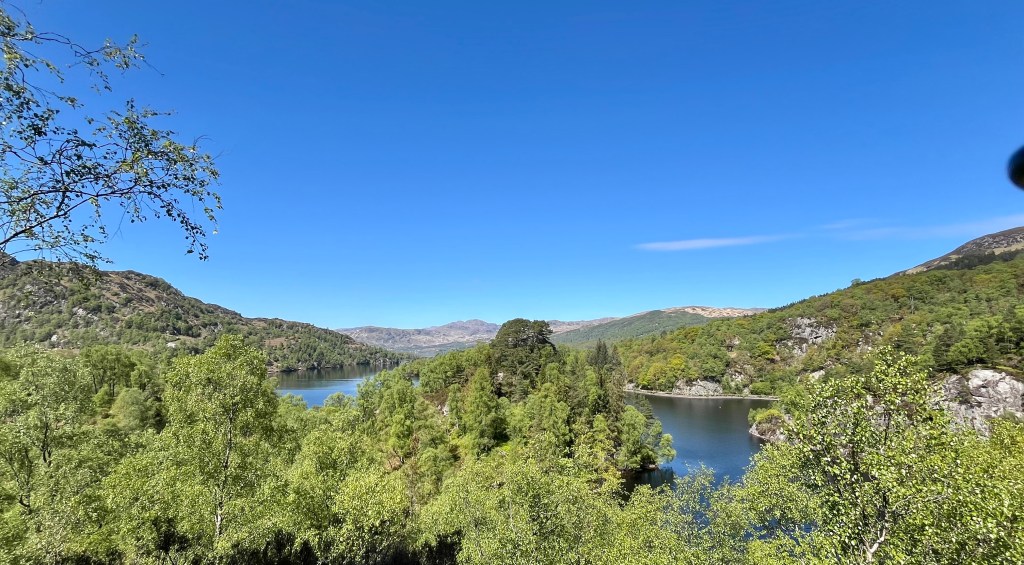
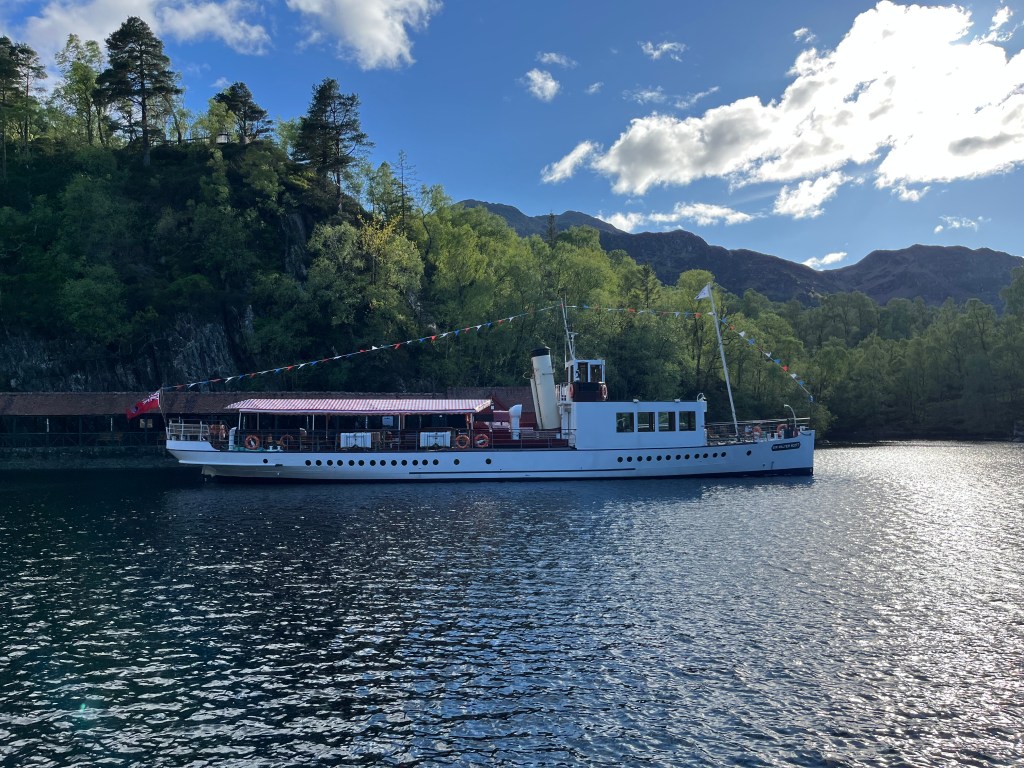
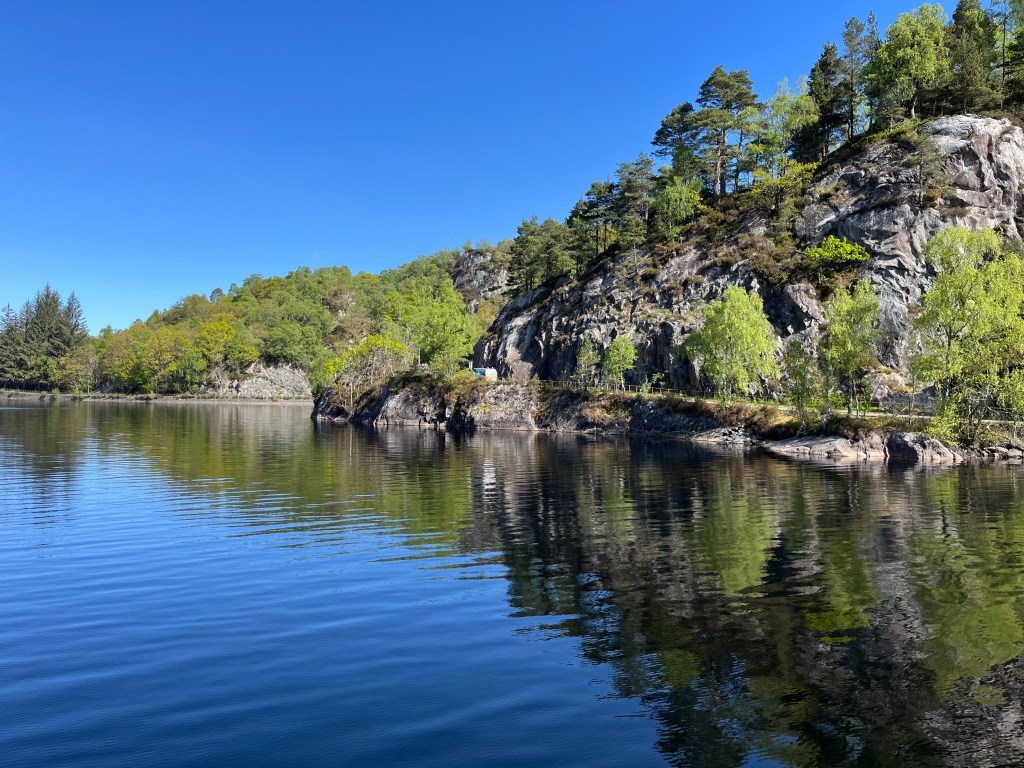
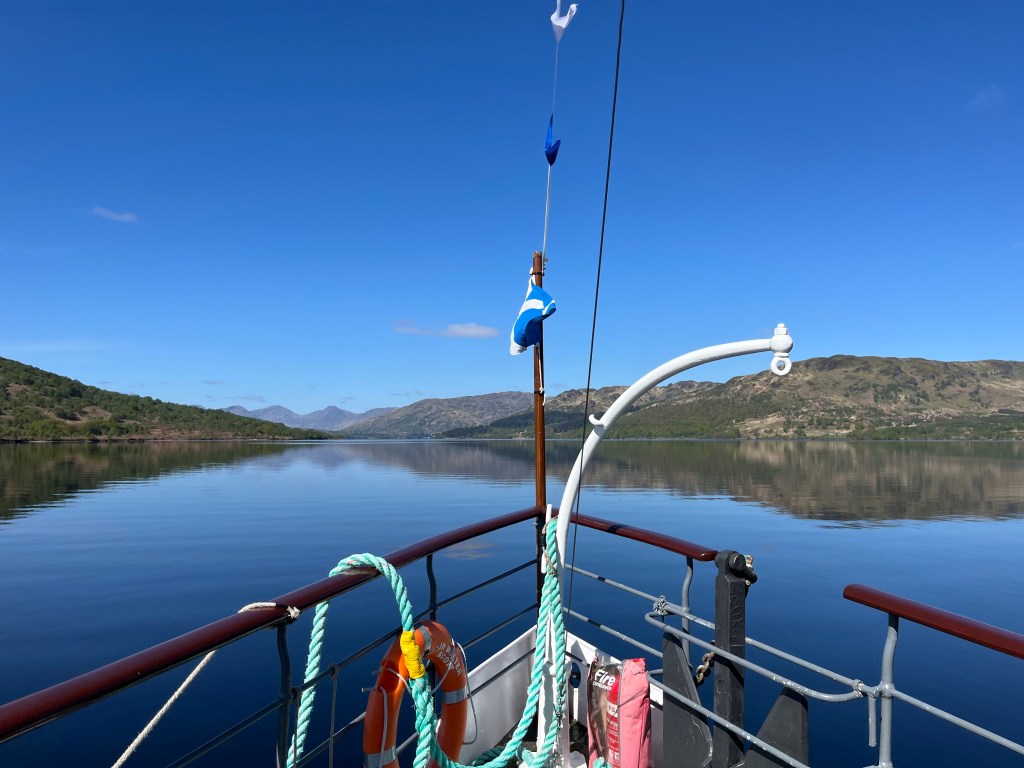
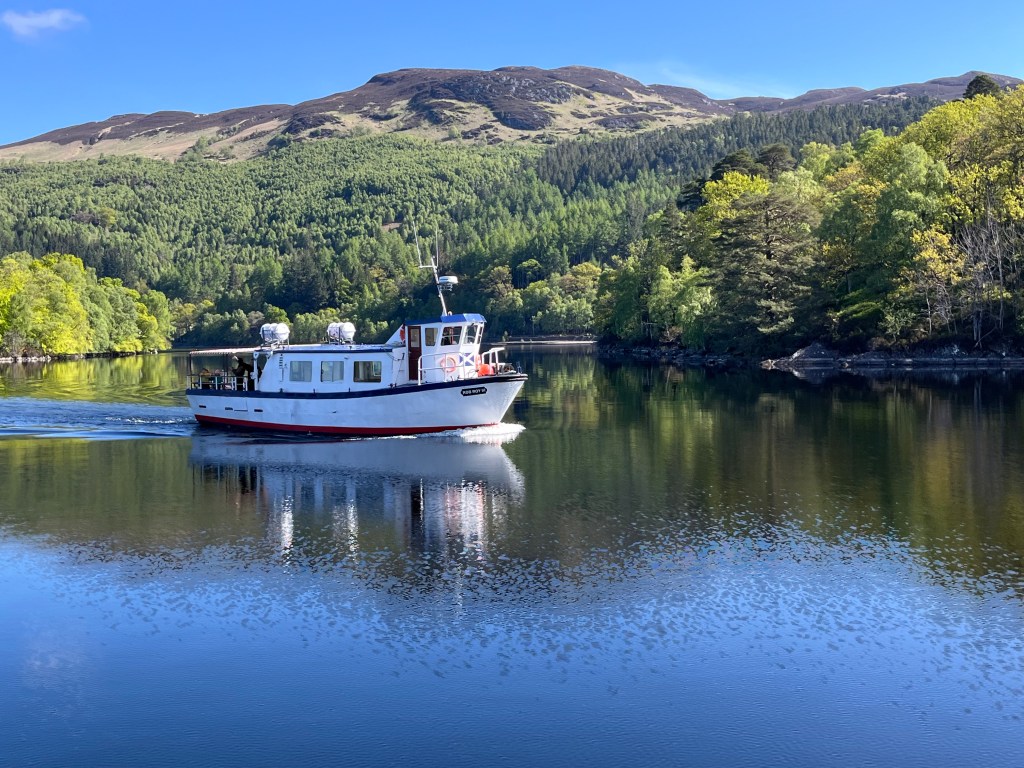
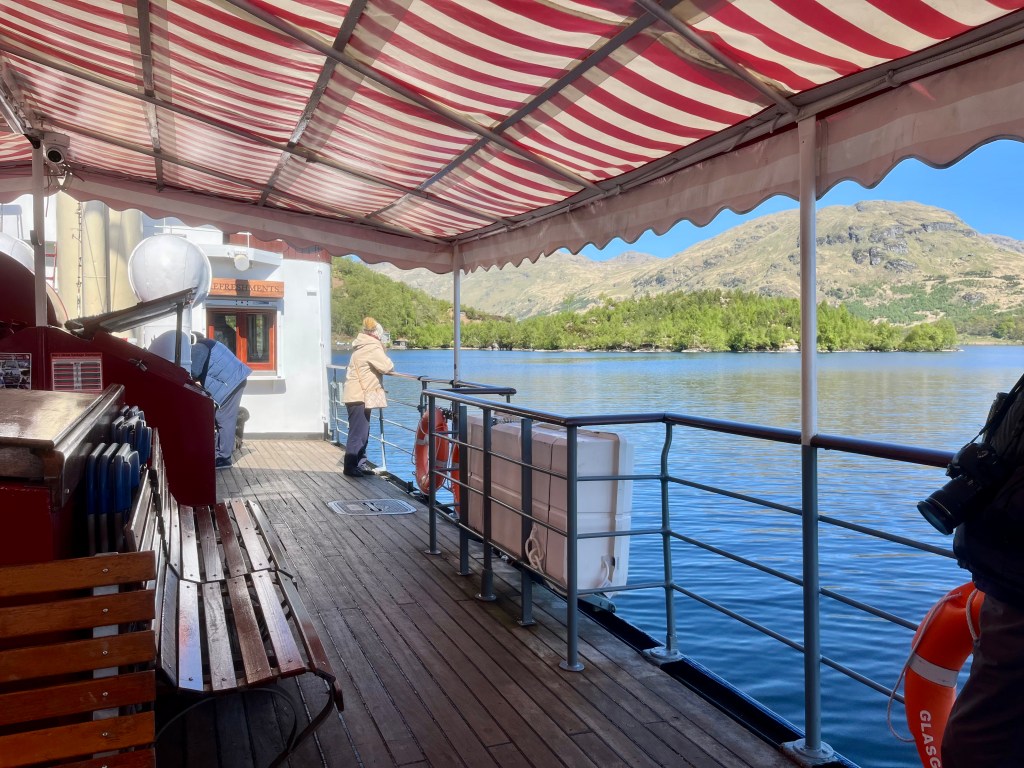
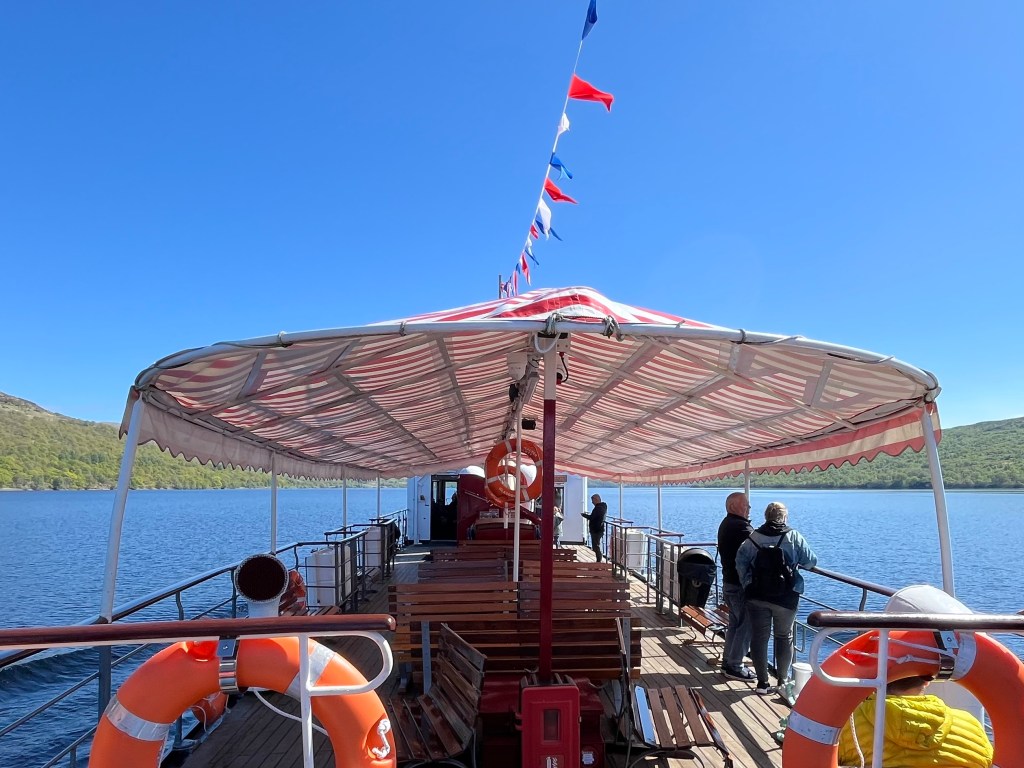
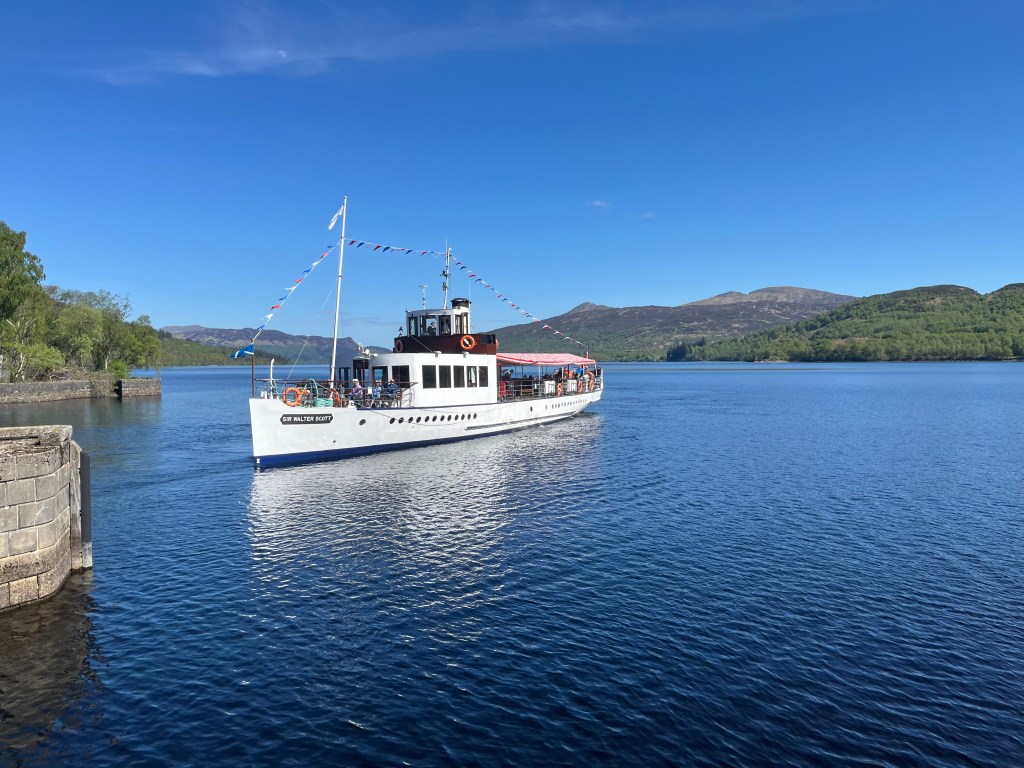
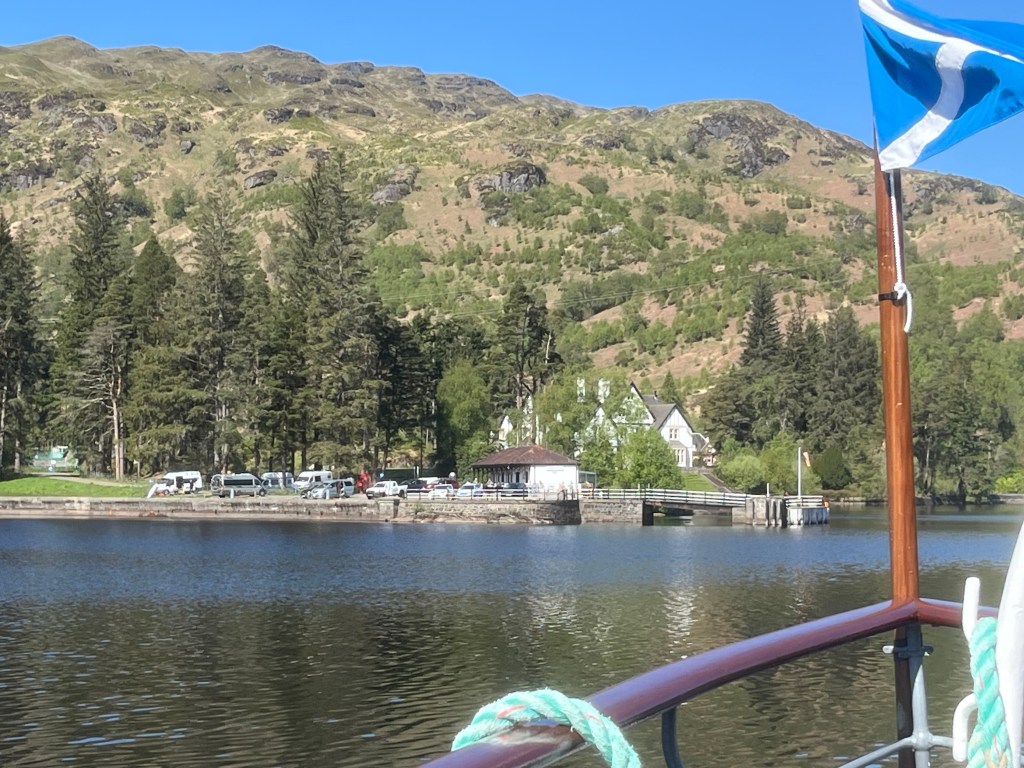
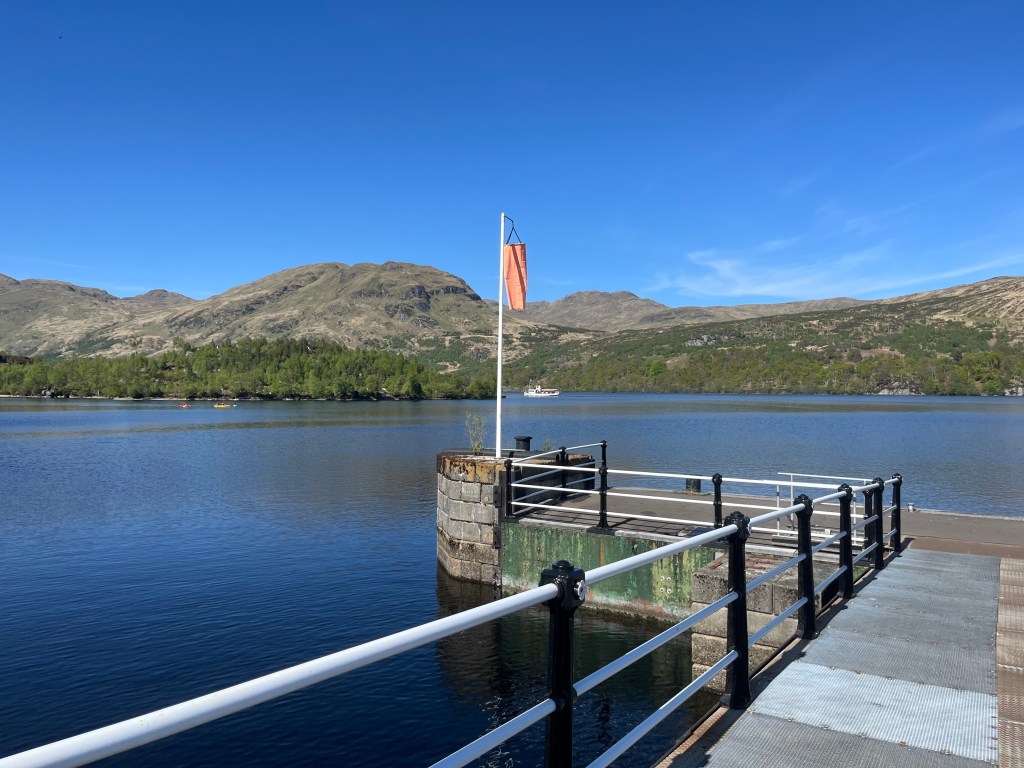
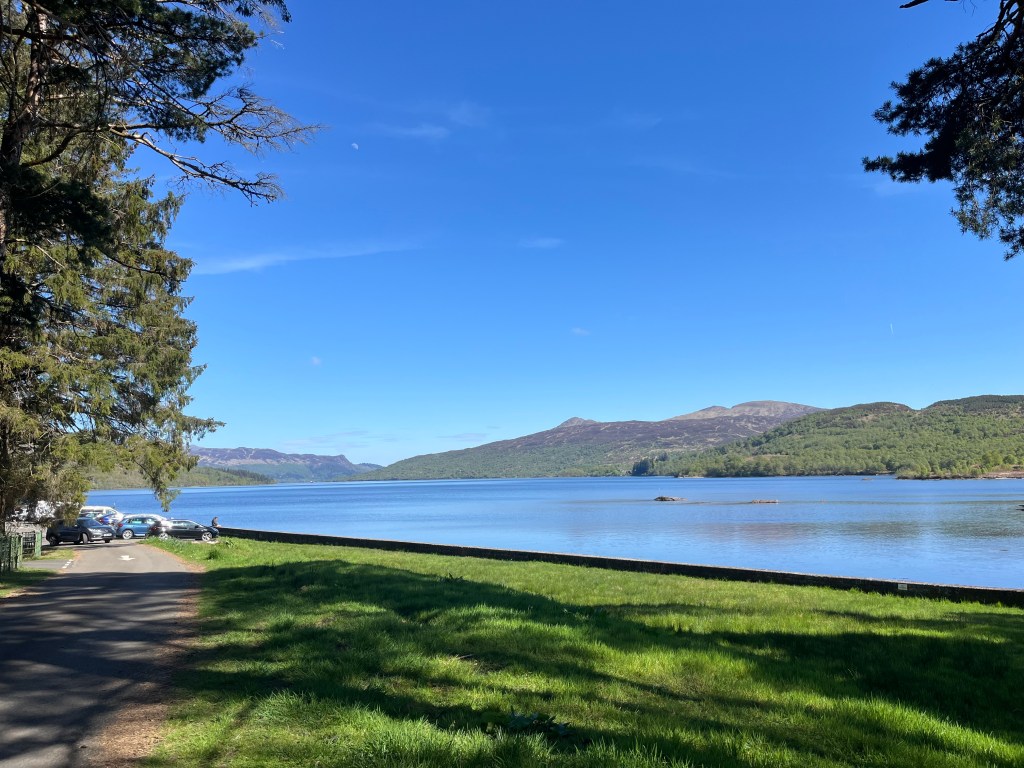
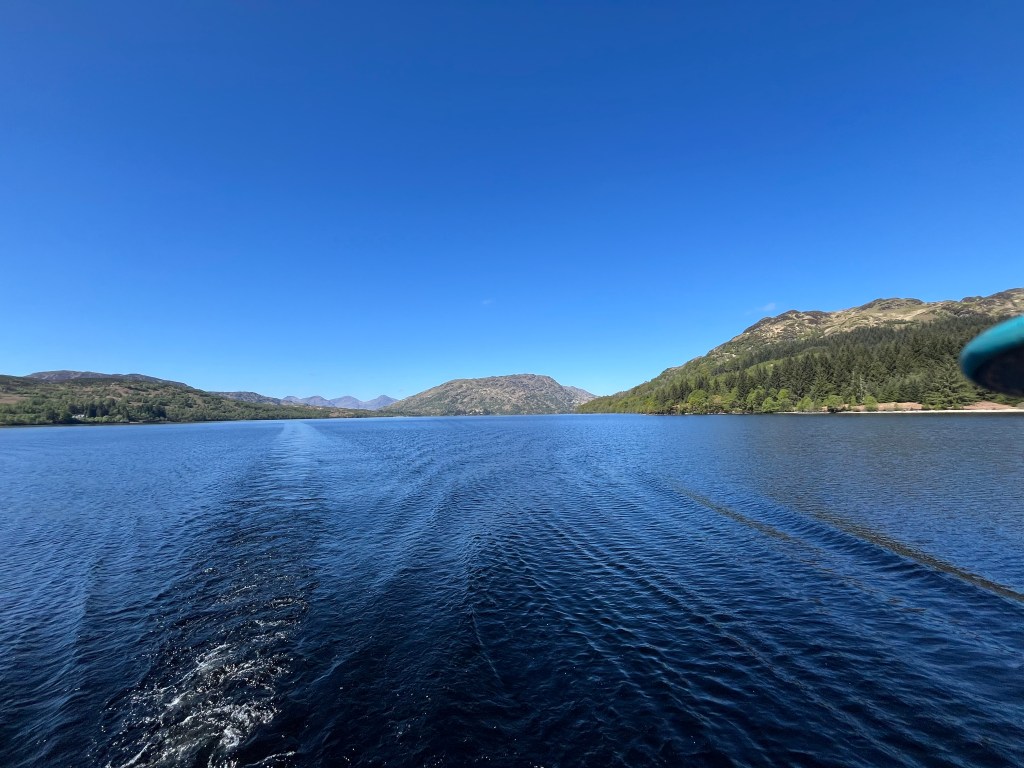
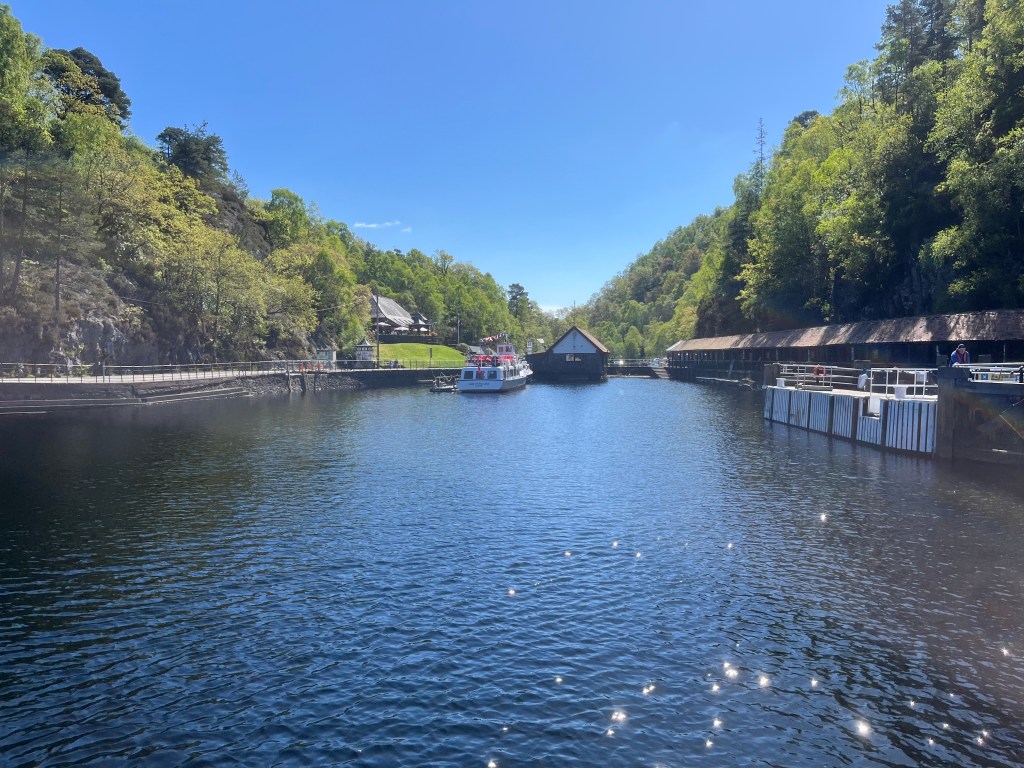
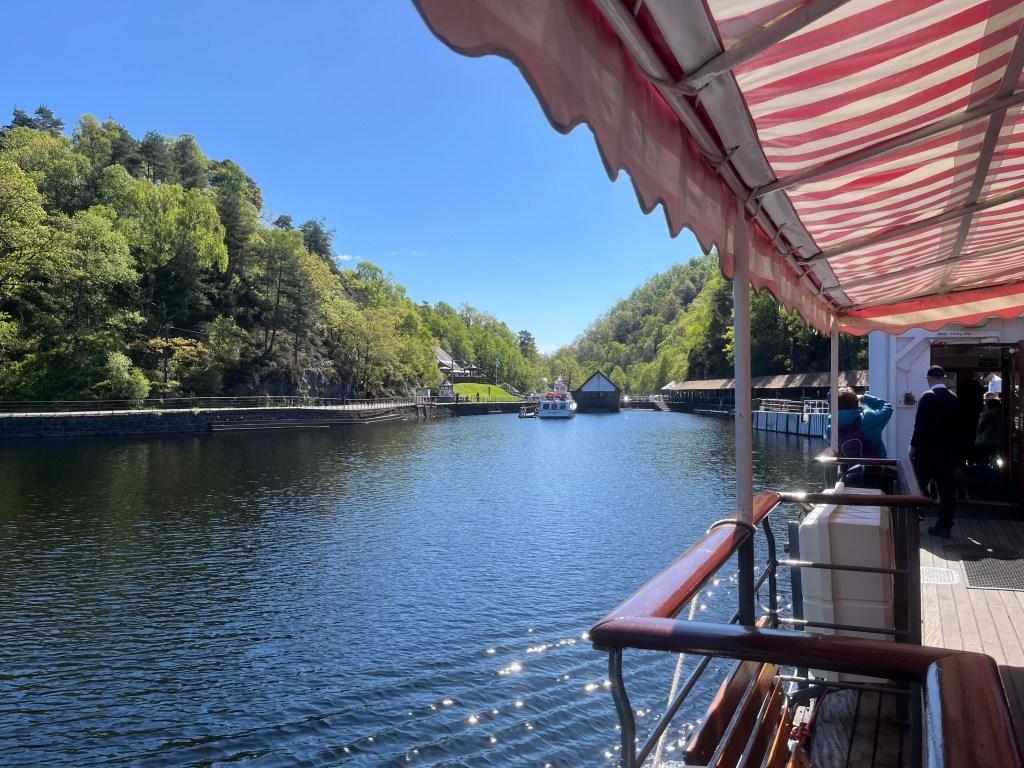
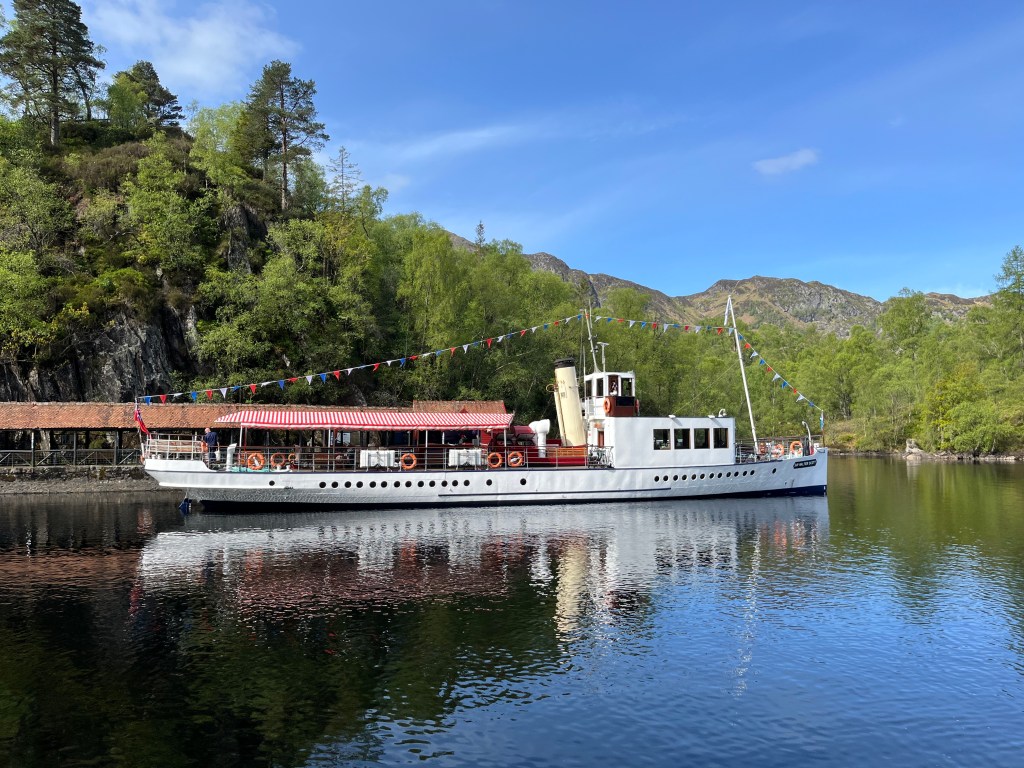
The following weekend was the May Spring holiday here in Scotland, and we had been kindly given some vouchers for sailing on the ‘Sir Walter Scott Steamship’ on Loch Katrine in the Trossachs area, within the National Park. We awakened to a beautiful morning with cloudless blue sky, and soon made our way across the Duke’s Pass to Loch Katrine. I am sure you will never get a better day than that day. The weather was absolutely glorious, this is a day trip highly recommended..
Loch Katrine taken from the new viewpoint just above the pier
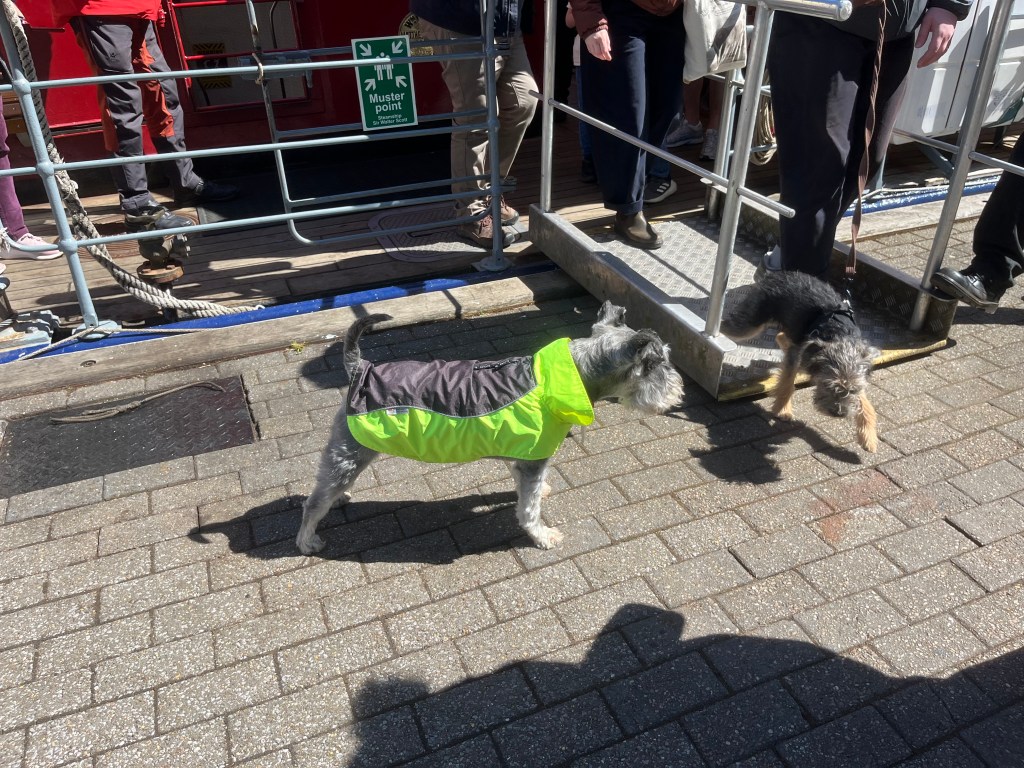
The Sir Walter ScottSailing on calm watersHeading for Stronachlachar< Arriving at Stronachlachar >Time for the return journeyThe Captain’s ‘guard dog’ 🙂Walk to Viewpoint.Ready for the next trip!
The following day was not so exciting as after our Tiree week and our sail on Loch Katrine, I had to catch up with all the mail that had accumulated during our absence, so it was the day of sitting at the computer. That night at around 3am I had a stroke and was hospitalised for nine nights.
Thankfully I am well on the way to recovery, and again, thankfully my speech and mind were not affected; mostly my left arm and leg which are now functioning well, so I am hopefull that I can make a full recovery.
However, some things that come your way in life, bring you up with start. I had often been told that I was very fit for my age, and after my holiday and trip to Loch Katrine I certainly was feeling very well. Then as I lay in bed in hospital I was reminding myself of the verse in the book of Proverbs that says ‘Do not boast about tomorrow, for you do not know what a day may bring.’ Prov. 27:1. whew, how true! All these summer plans were now on hold.
I have had many encouragements from family and friends near and far, in the way of visits, text-messages, cards, flowers, food and fruit juice, and even someone arriving at our door to help in the garden. So if you are one of those who are reading this, let me say a huge THANK YOU!
As a Christian I am truly appreciative for the many prayers spoken from my local Church family, and indeed from so many others around the world to our God and Father on my behalf. I believe that the progress made to date is in many ways an answer to them. I’m also thankful for the many Bible thoughts and verses sent and spoken to me, they are such an encouragement. Here’s just one:- ‘May the God of hope fill you with all joy and peace as you trust in him, so that you may overflow with hope by the power of the Holy Spirit.’ Rom.15:13
Yes, truly this is our sure hope in Jesus Christ and what he has promised to those who trust in Him, whether in life or death. I said to someone recently who had kindly wished me ‘all the best’ – thank you, but whatever happens, the best is yet to be‘- this is the Christian hope.
My stroke certainly got me thinking, and perhaps has got YOU thinking too? As I write news has just come in of 21 people involved in a balloon disaster in Brazil, first reports of 13 killed. The recent ‘AIR India’ disaster saw just one survivor out of 242 people on board. HOW SAD. It’s good to be ready don’t you think? Here’s a song that is special to me – have a listen
Matthew
PS: There has been much criticism of the NHS. Next time I would like to tell you of my experience.
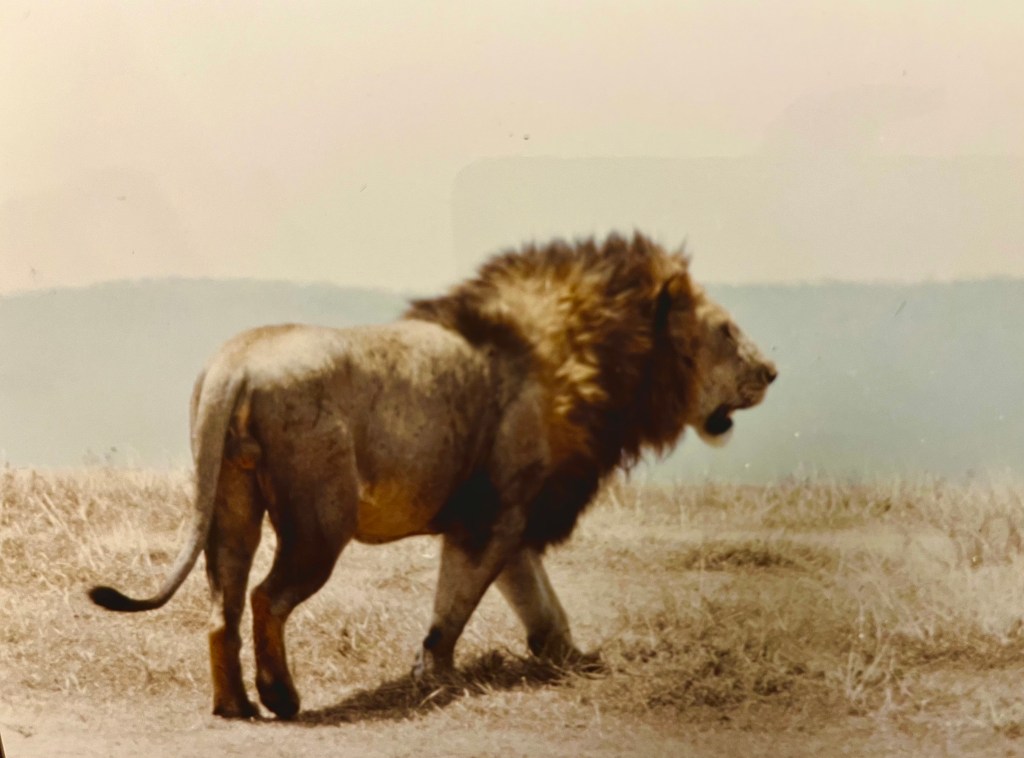
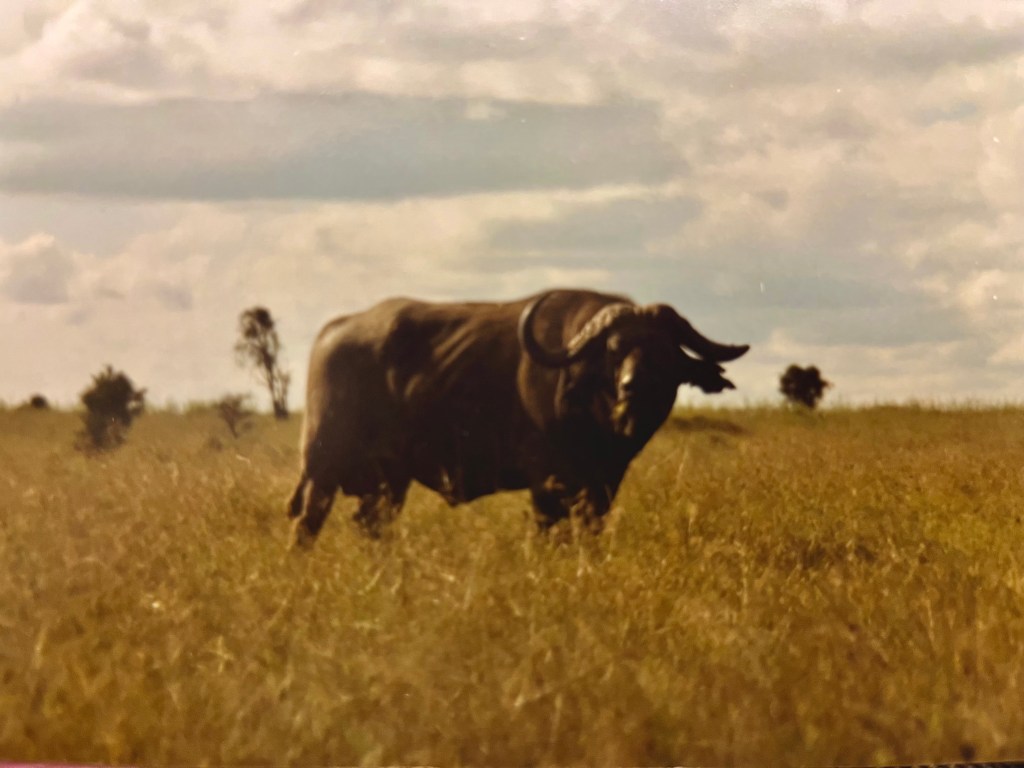
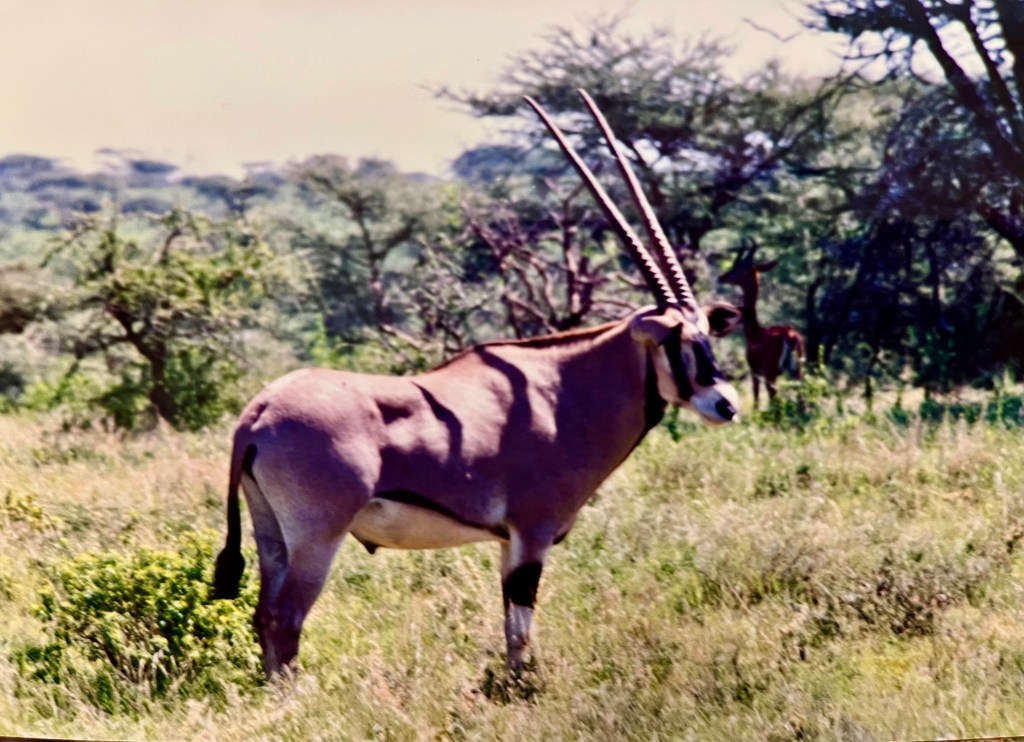
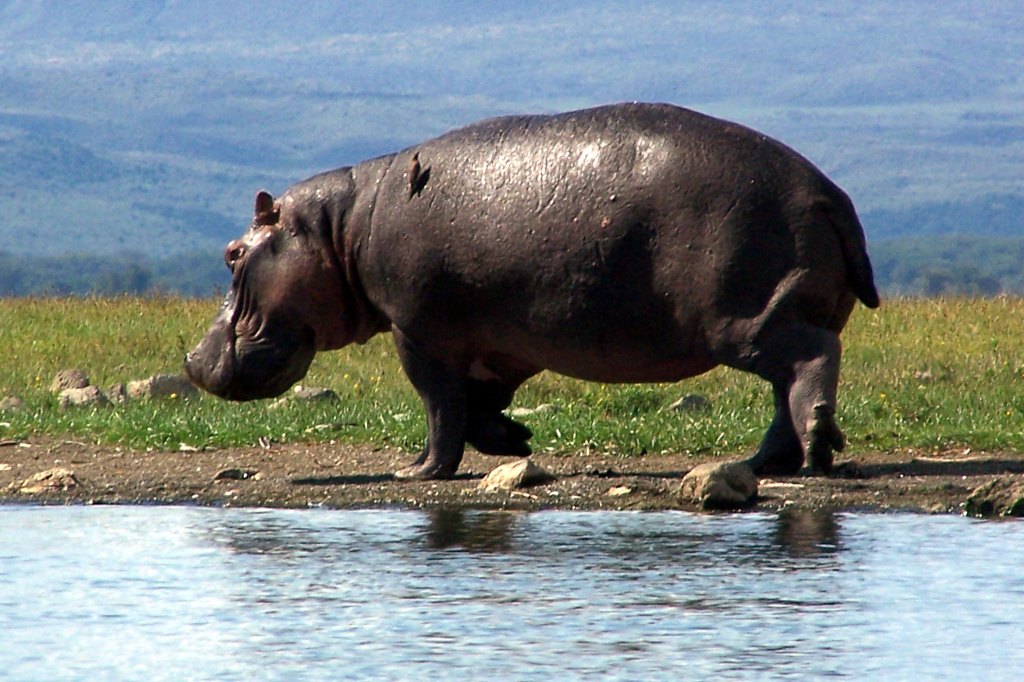
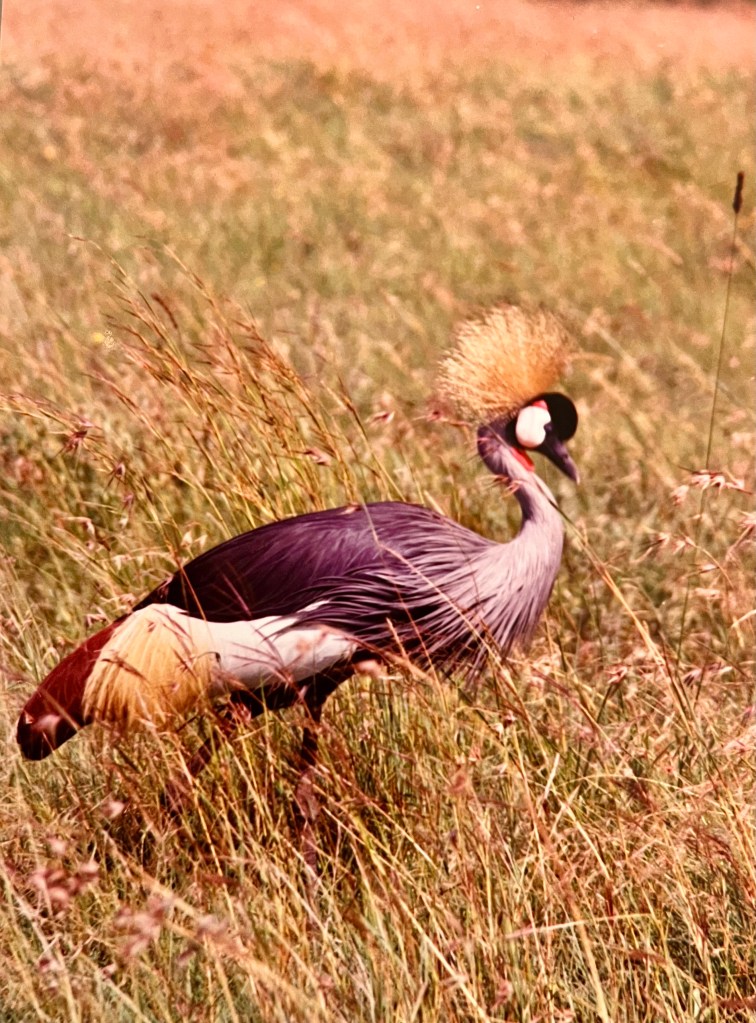
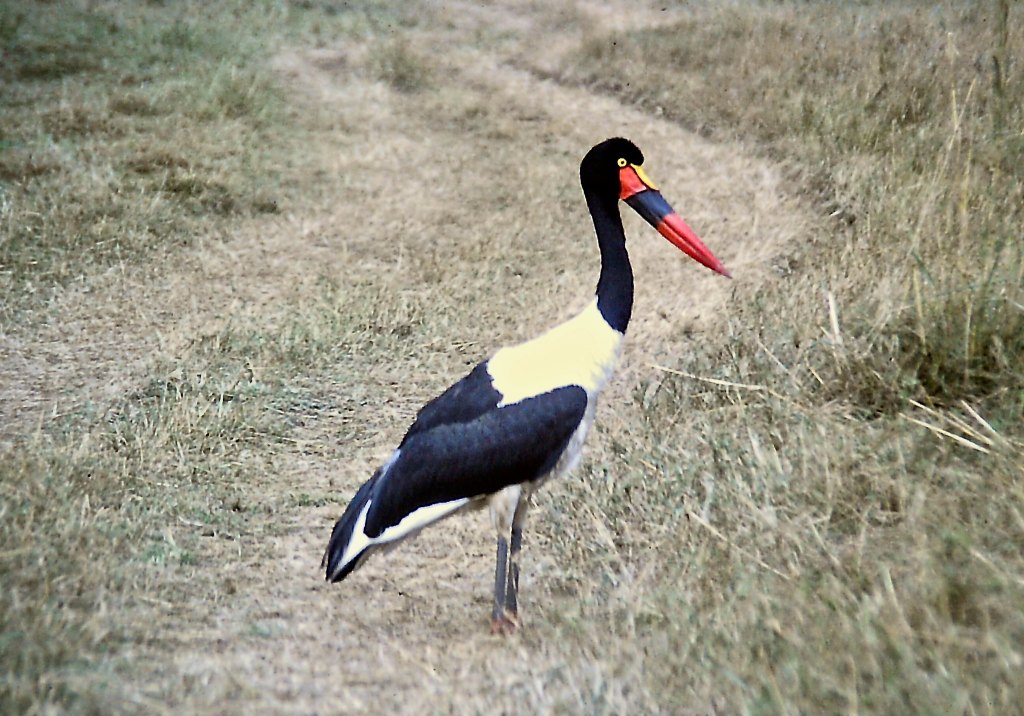
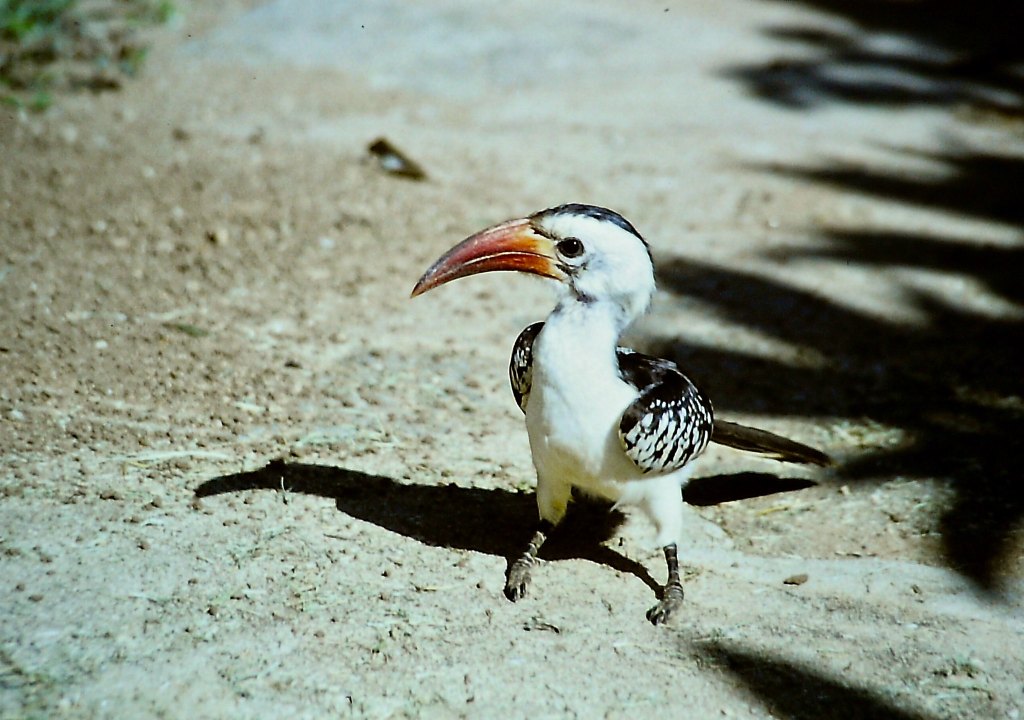
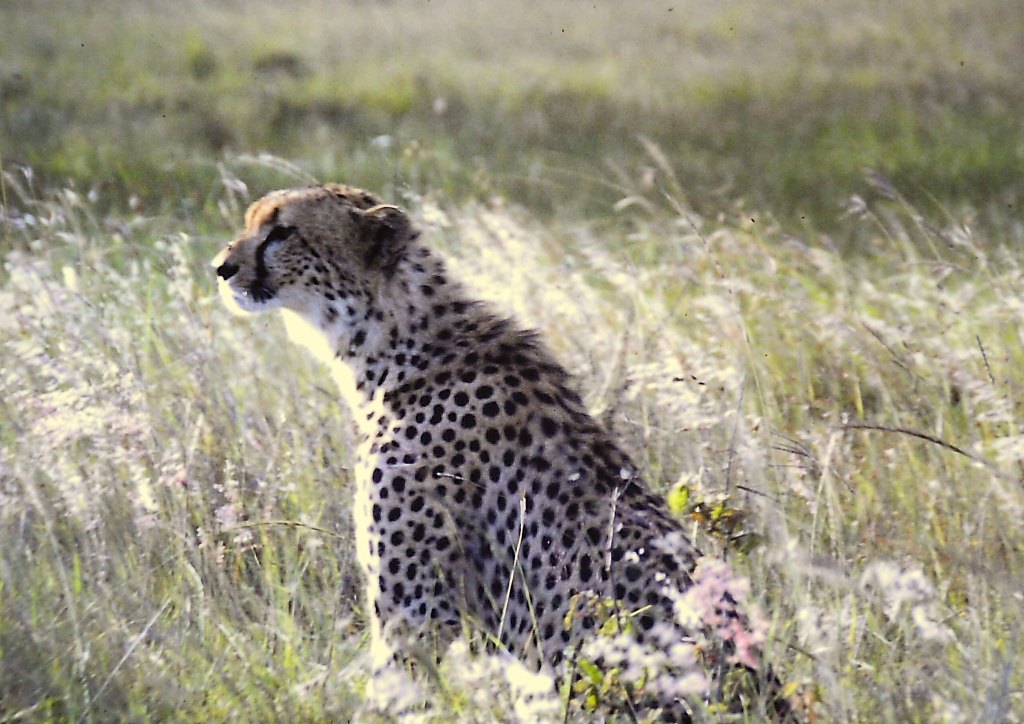
What first comes to mind when you think of Africa? As children we probably thought LIONS, and we were told of all kinds of wild animals and exotic creatures that lived there, but especially the lion that we called ”the King of the Jungle’! Never did I ever dream that one day I would live and work there, and see for myself some of these amazing wonders of God’s creation. Here’s a wee selection
But the main reason for my wife and I being in Africa was not to see the wildlife, but to work with Tearfund, a large UK Christian Relief and Development agency, working in city slums and also in remote areas, not only in Africa but around the world.
Working with Tearfund out of Nairobi in Kenya introduced us to many other organisations, and many different people groups, and today I would like to introduce you to one special organisation and one Trust working with a special peoples’ group, if you are not already acquainted with them.
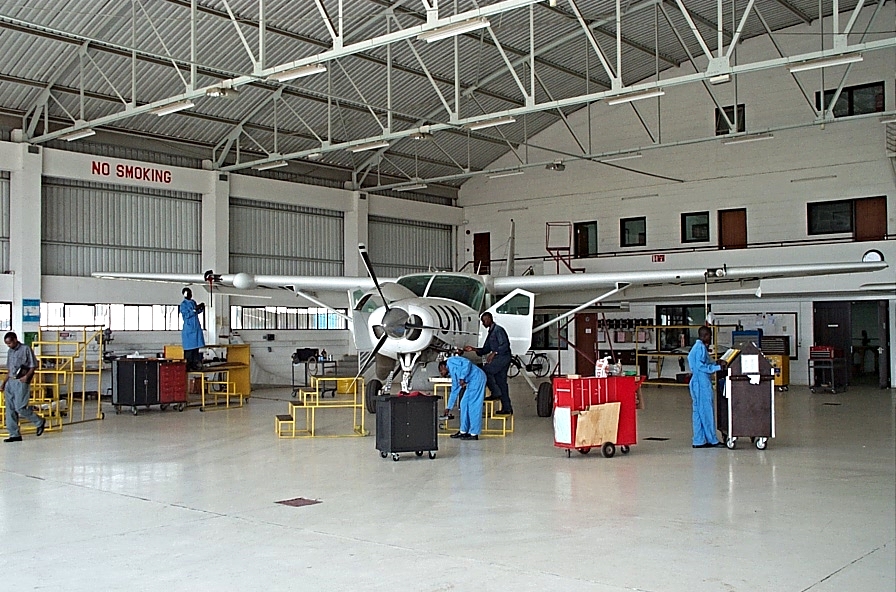
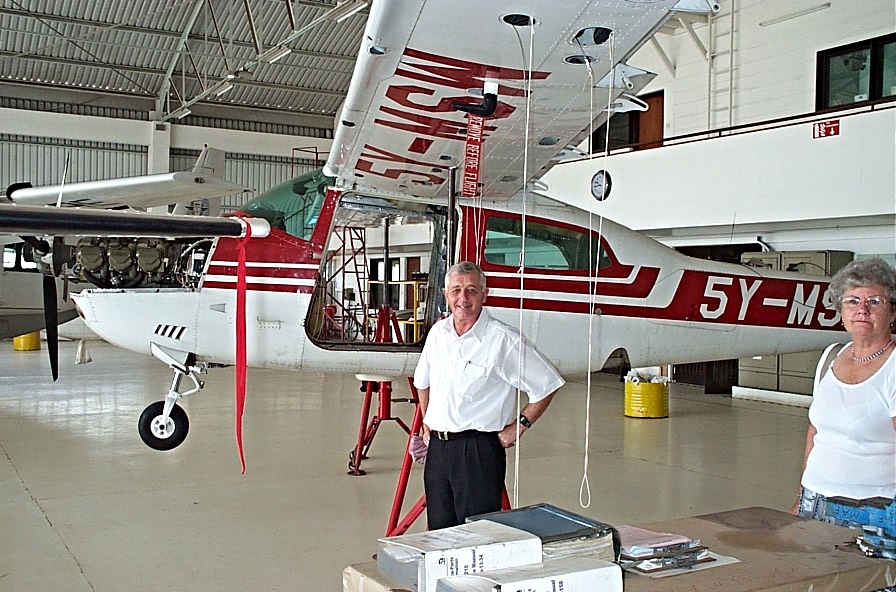
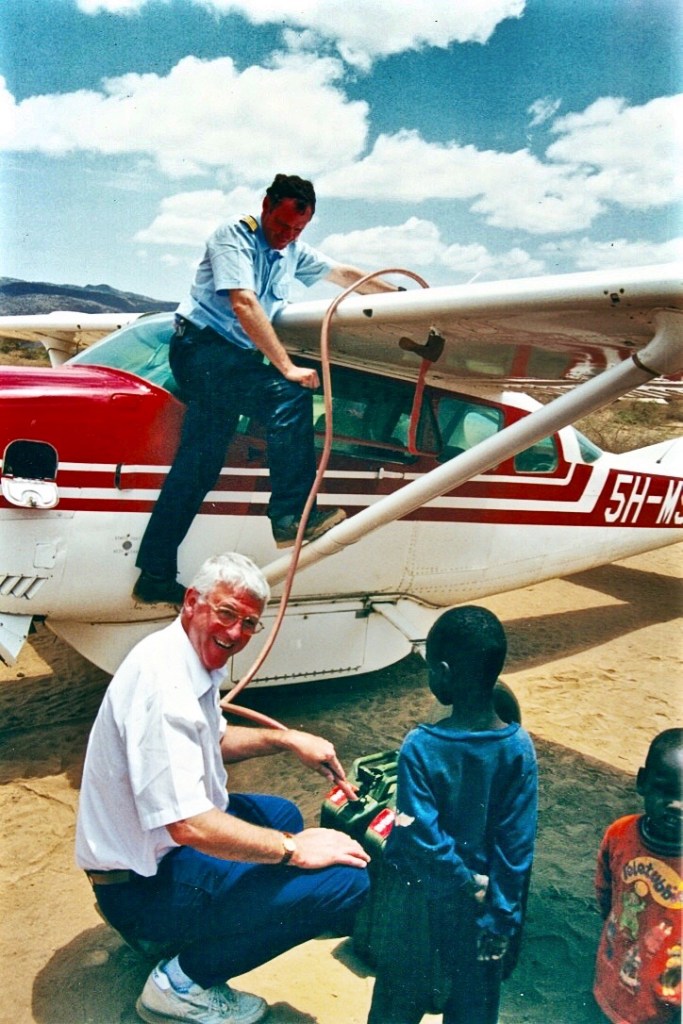
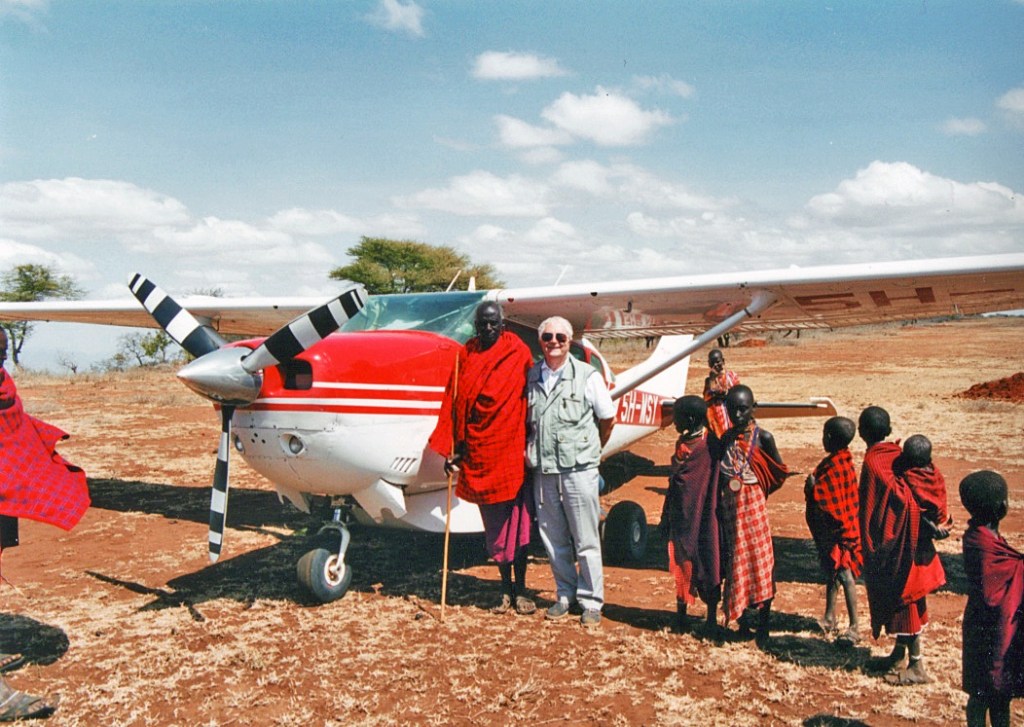
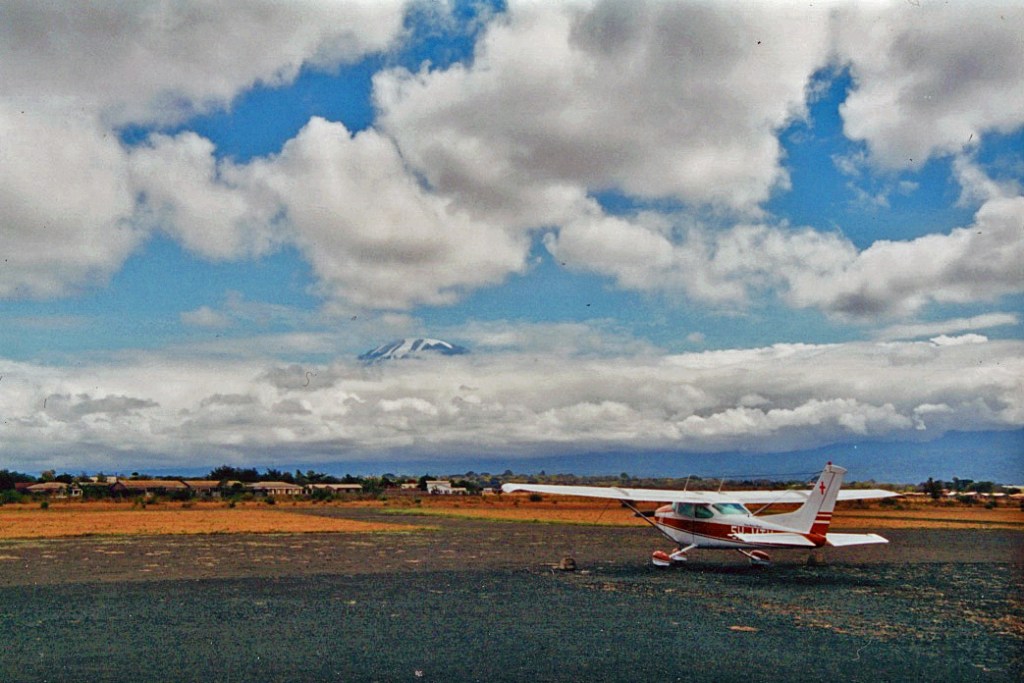
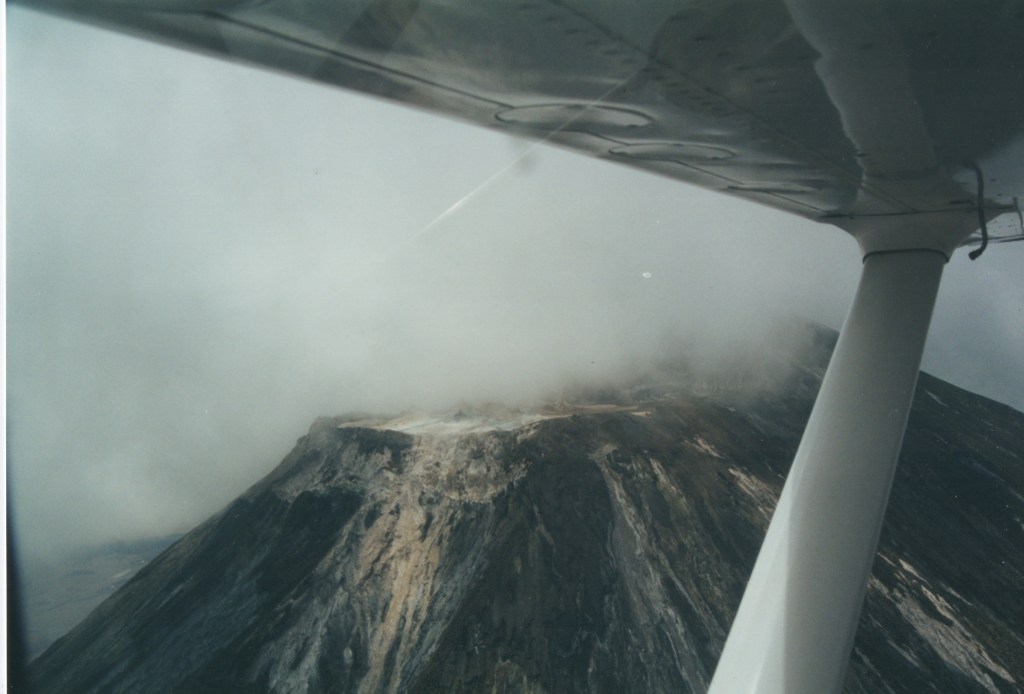
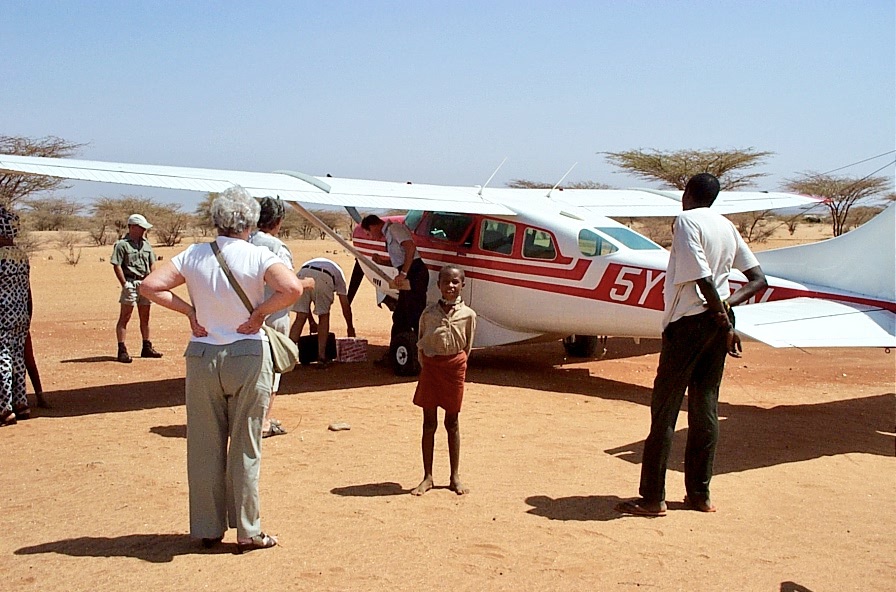
Mission Aviation Fellowship– 80 Years of impact in Africa. MAF is not a new organisation, but still ‘new’ to many who have yet to hear of this charity flying to the world’s remotest communities! I had heard reports about MAF through our Church, but in Africa I got to experience their work at first hand. Not only did we personally fly with them, but my wife was often at the airport with messages, parcels and equipment that needed to be transported to colleagues working in some very remote places, or picking up or dropping off Tearfund passengers. If you are unfamiliar with their work I suggest you check out their website: maf-uk.org. You can also subscribe to their quarterly free magazine, which is always a great read. Here is a selection of some old photos illustrating the variety of their work.
MAF hanger – Wilson Airport – Nairobi, KenyaChief Engineer – Ken Milliken – NairobiRefuelling at remote Masai AirstripMeeting the MasaiKilimanjaro AirportOl Doinyo Lengai
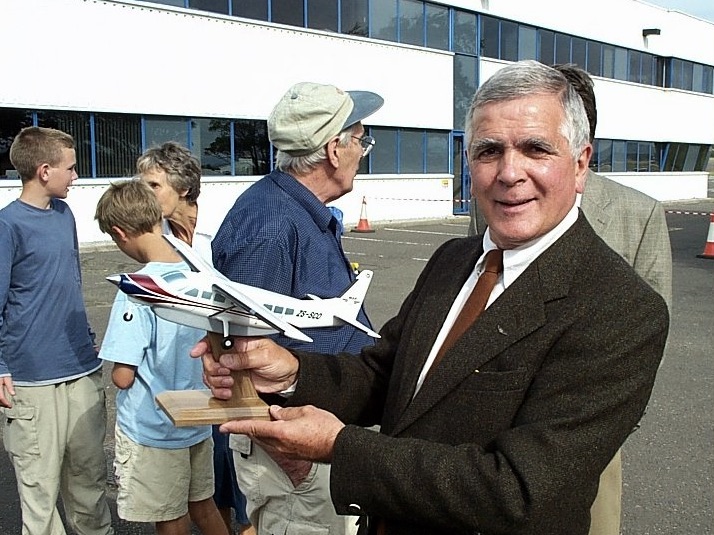
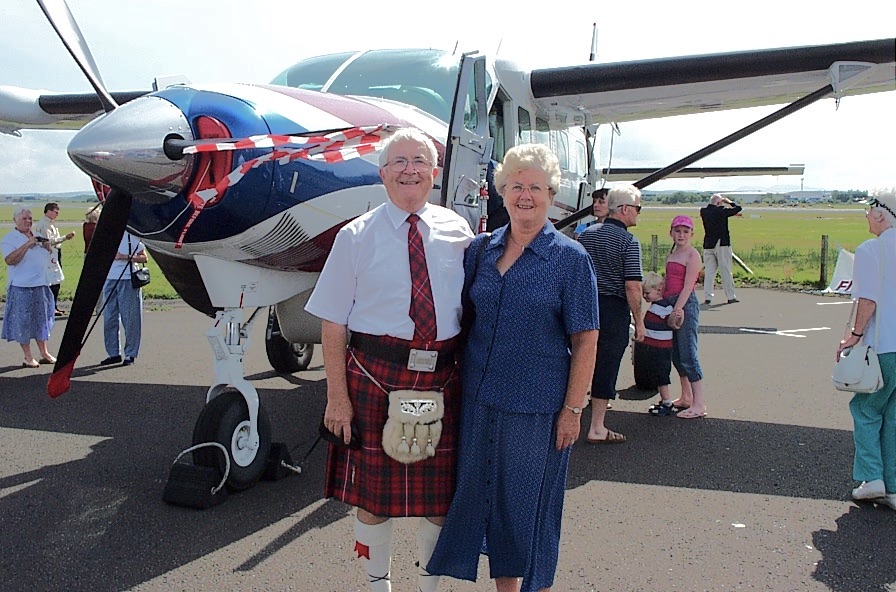
‘Scottie” a Cessna Caravan – funded by Scottish Supporters – Commissioning at Prestwick Airport 2003
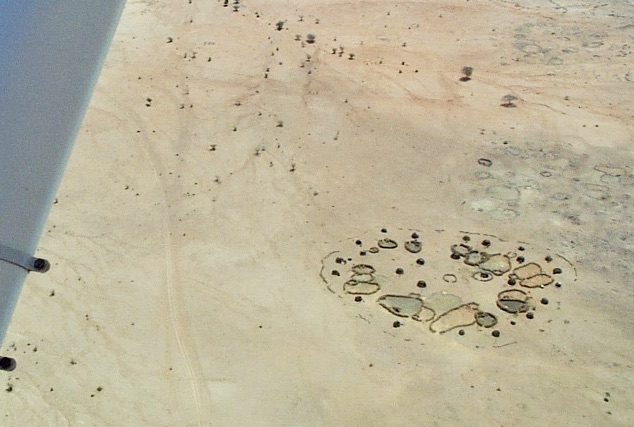
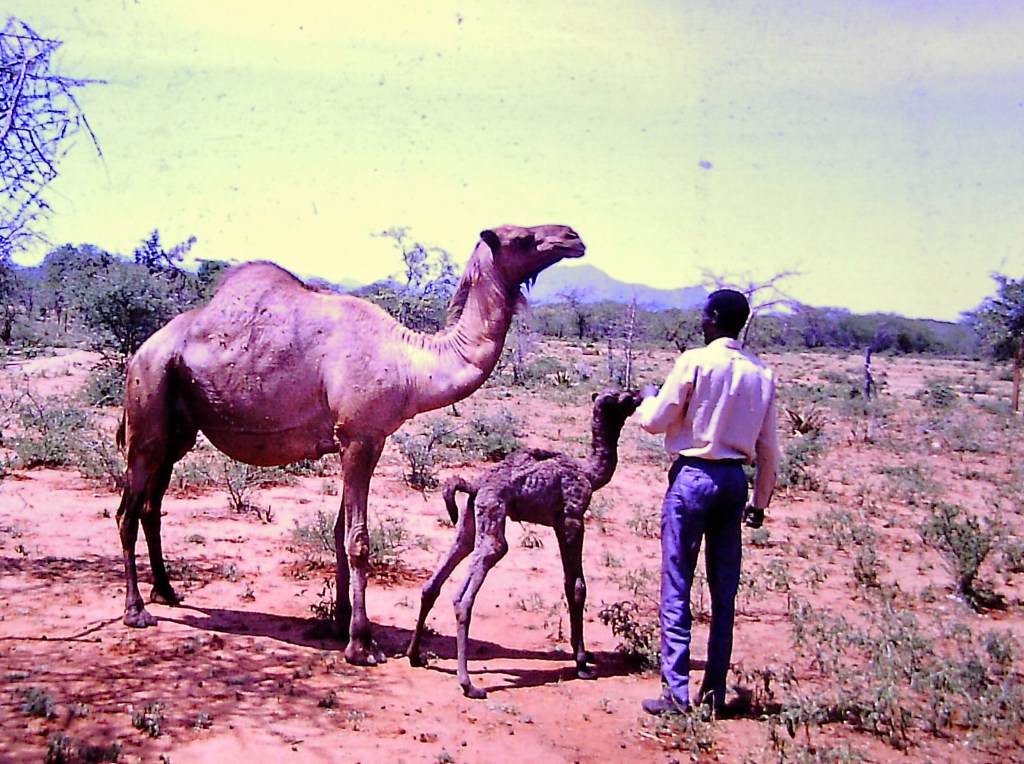
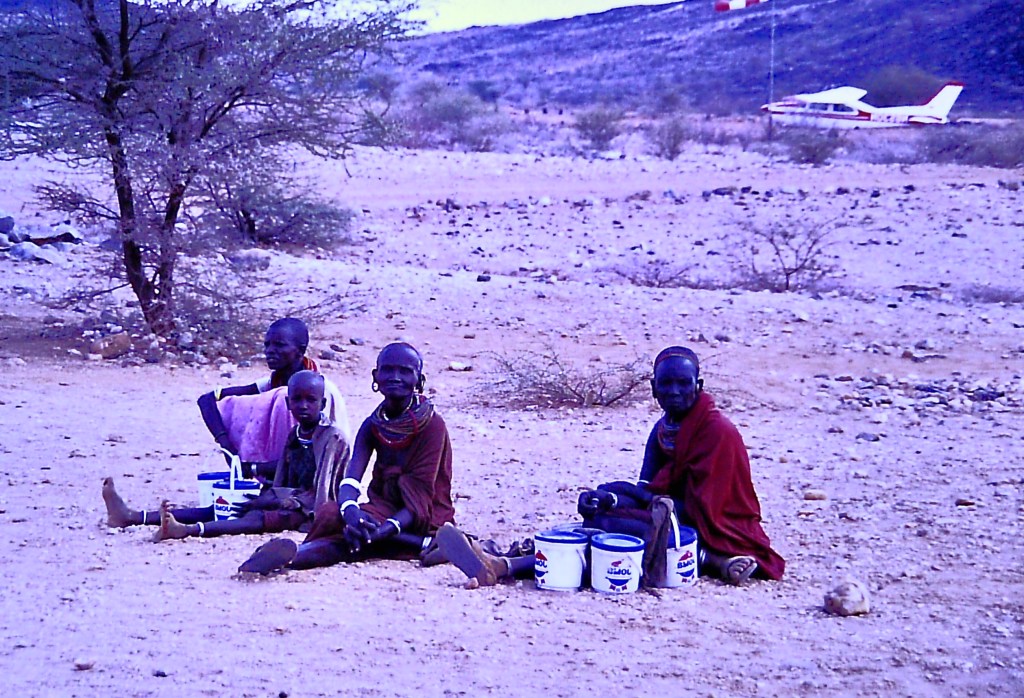
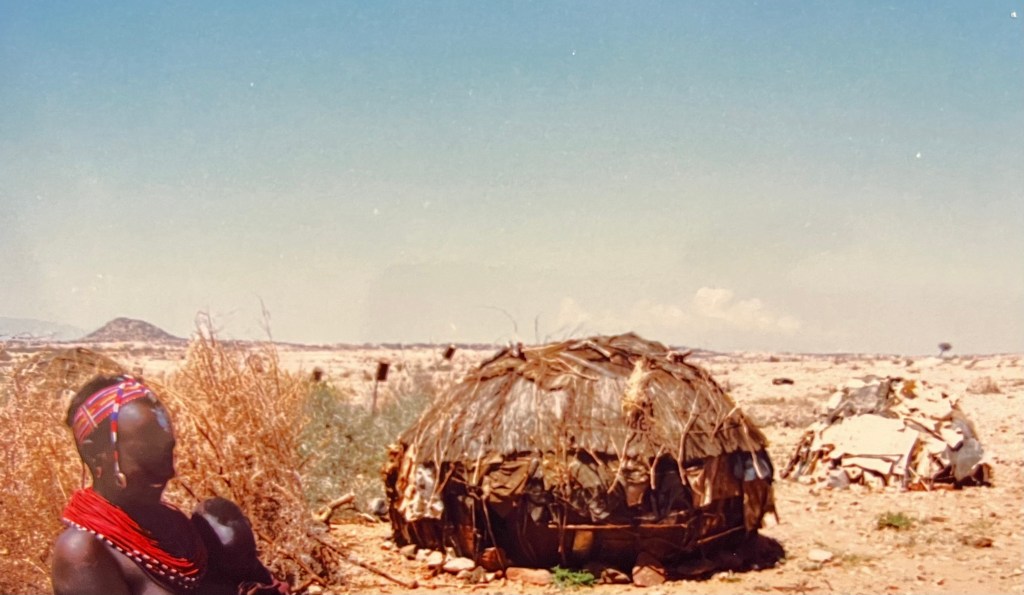
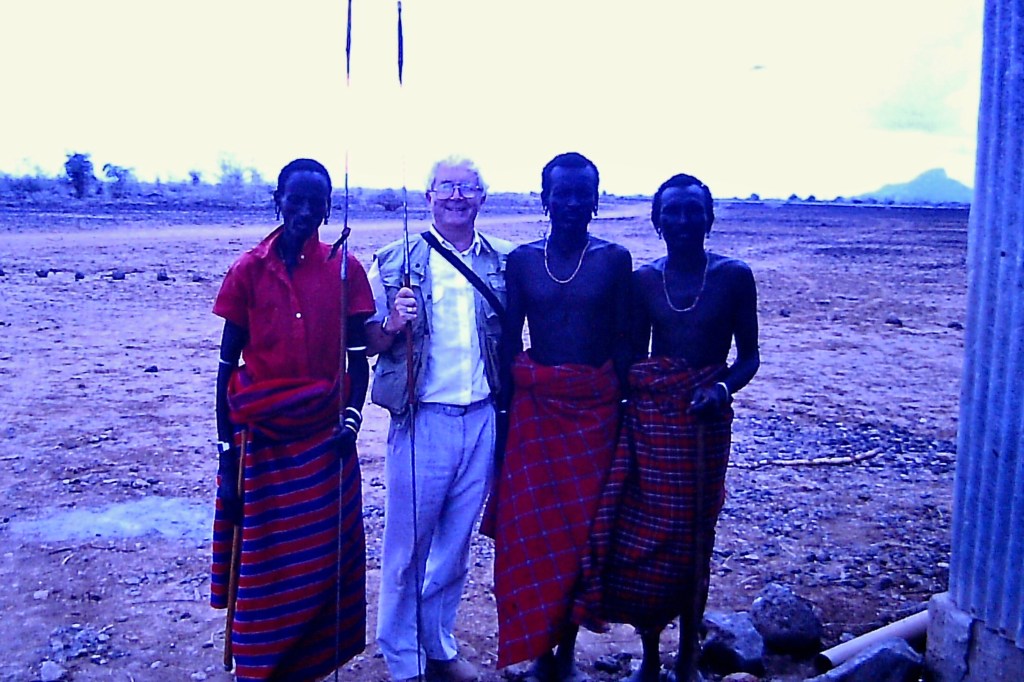
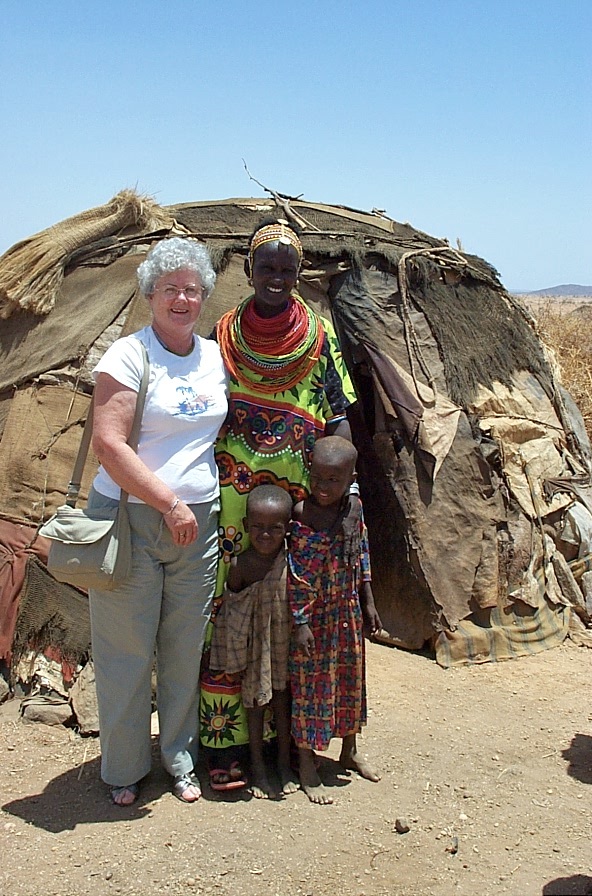
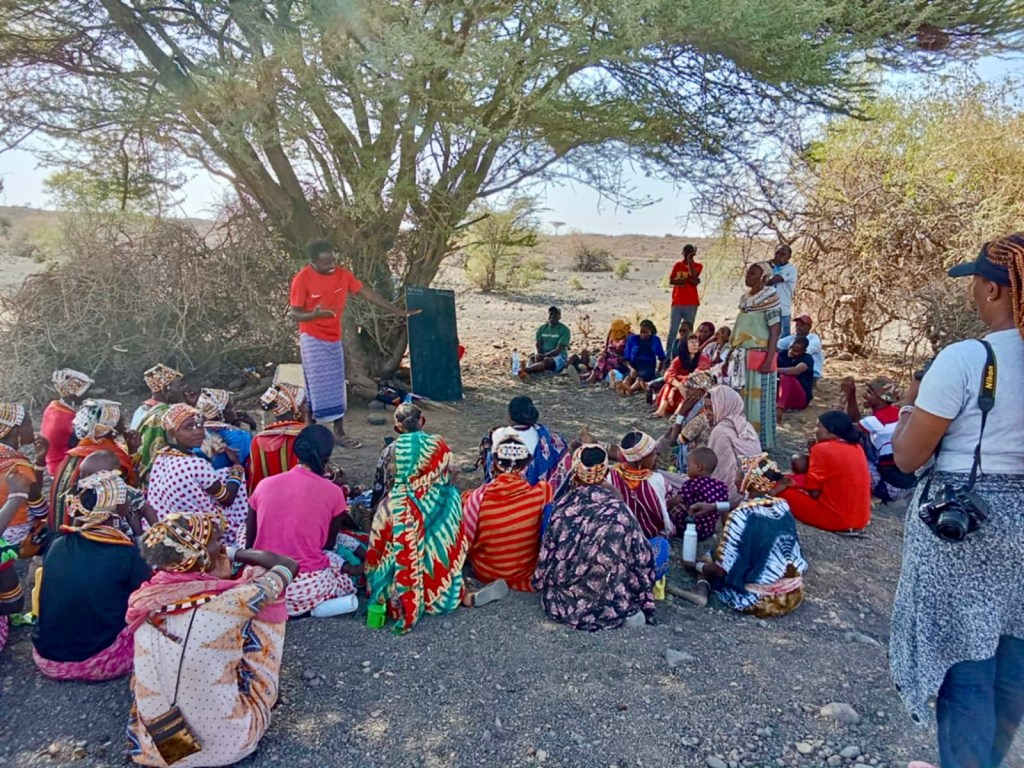
The Rendille – 40 Years transforming lives through literacy and Faith . Back in the early 1980’s the Rendille Language had not yet been put down on paper. The Rendille were nomadic people moving around the desert/wilderness of Northern Kenya with their camels, cattle and goats. Their ‘igloo’ type houses could readily be dismantled and bundled on to their camels as they searched for fresh vegetation and water. But not only an amazing people but an amazing couple. Nick and Lynn Swanepoel arrived from South Africa to live among the people, to decipher their language and to write it down. Then came the literacy classes, and the rest is history as they say! As Tearfund’s Manager for East African affairs it was a privilege to visit this programme over a number of years. Here are some pictures of these early days.
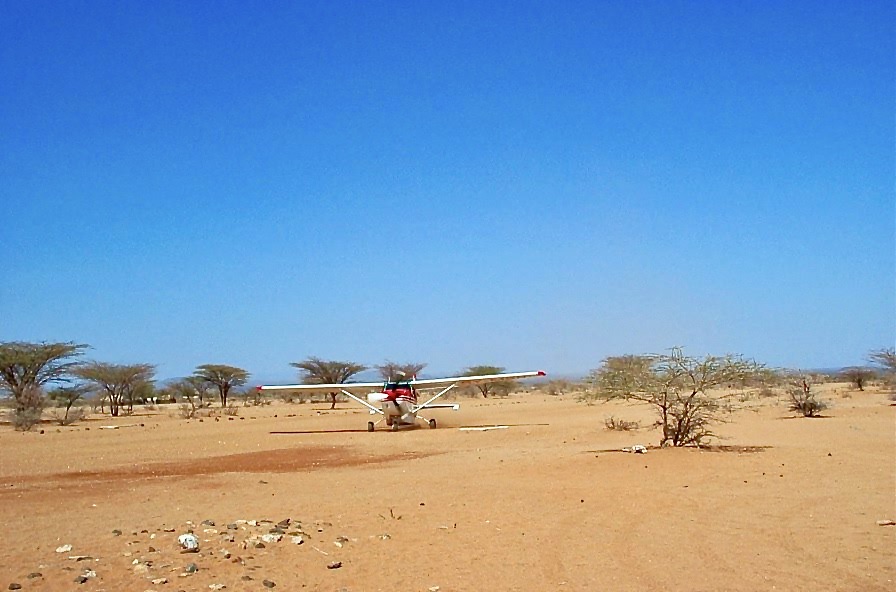
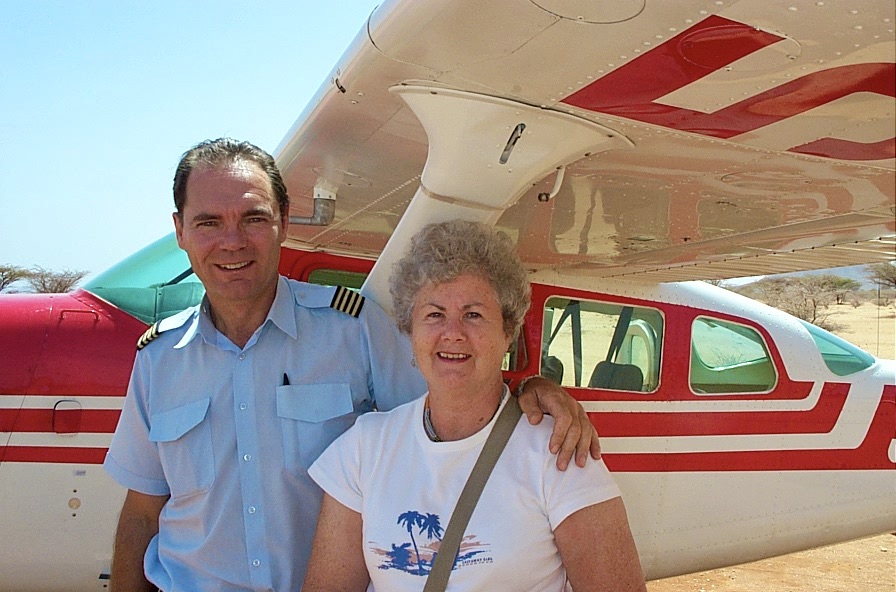
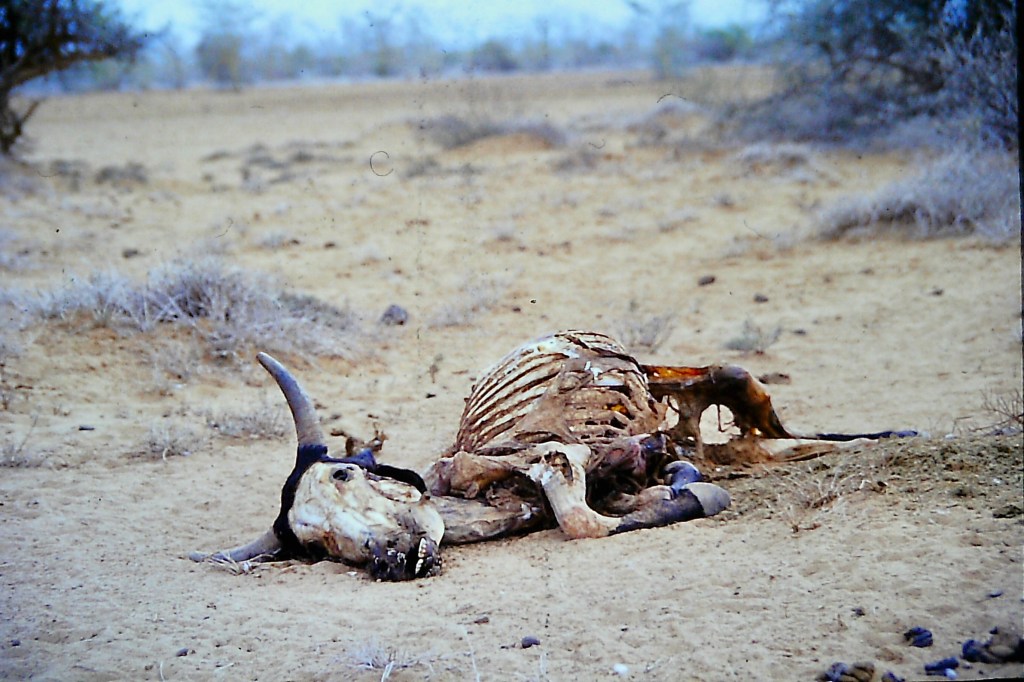
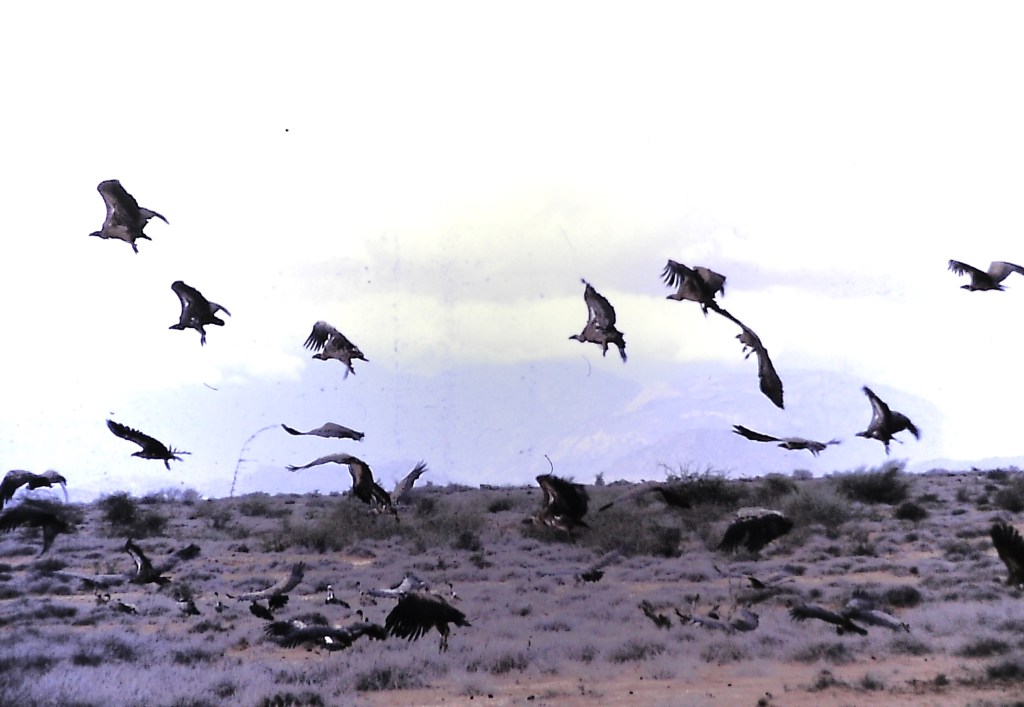
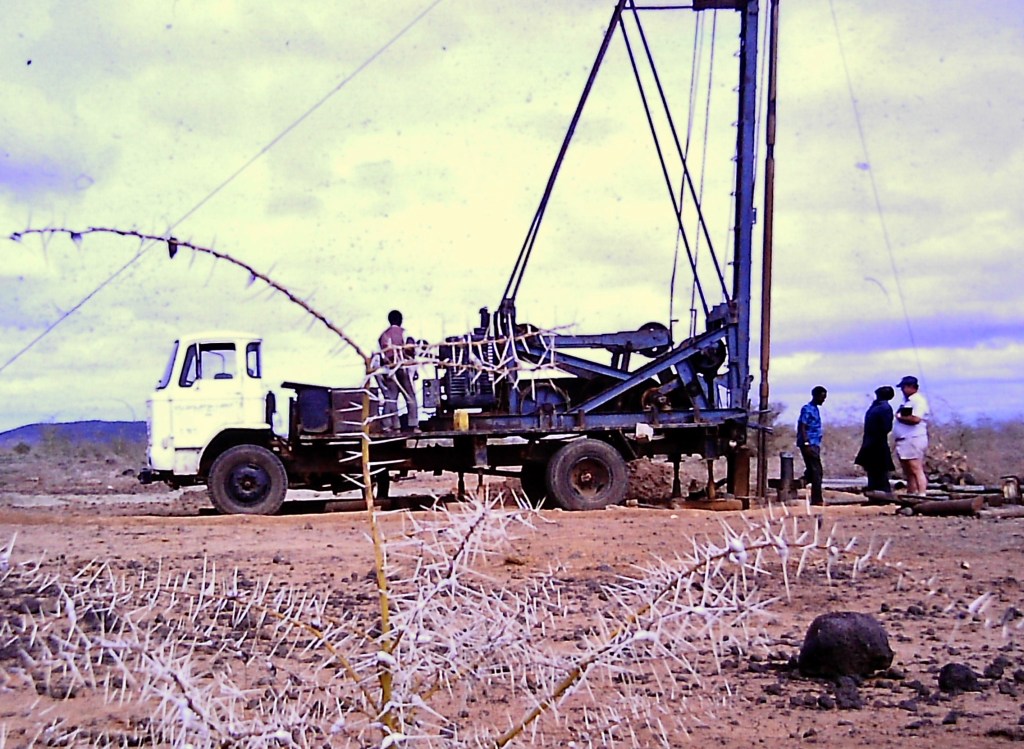
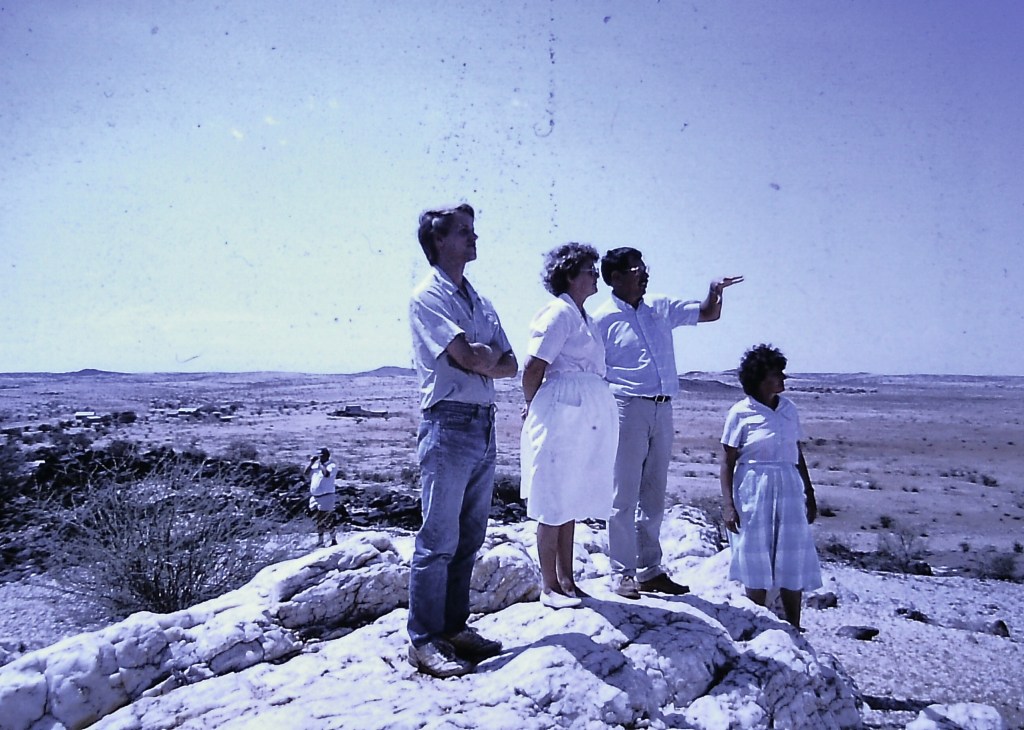
A Rendille settlement from the airOn the ground at KorrPilot and co-pilot!!! On the ground at KorrA precious gift – a baby camelMembers of the Rendille community A harsh living environmentDeath by thirst and famineA feast for the scavengersWell Drilling!Now where should we place the water tank? – With Nick and Lynn.Matthew becomes a warrior!Muriel and Nareyo and children
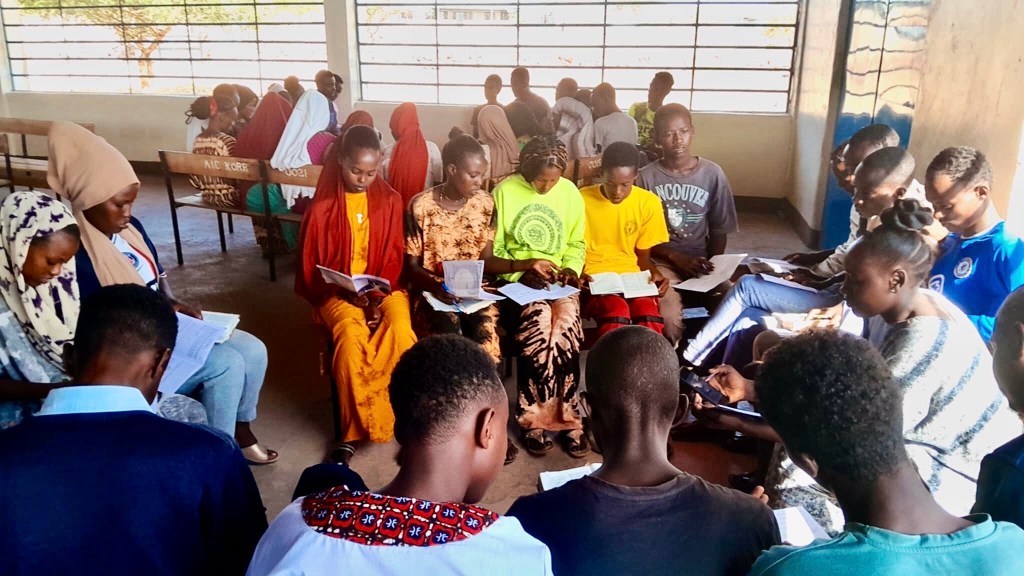
All the above photos were taken a long time ago, but what is happening among the Rendille today? Well the advancement over the last 40 years can only be described as phenomenal, so we give God thanks for all that has been achieved.. The vision of early pioneers to bring literacy to the Rendille, and to translate the Scriptures into their mother tongue has resulted in a well educated people up to secondary school standard, and many now with a `College certificate or a University Degree. Here are a few more highlights:-
The work of the Africal Inland Church has been greatly blessed with countless changed lives, new vision and new life in abundance within the community.
The New Testament in the Rendille language has been printed and distributed with great rejoicing, and work is well under way on other books of the Bible.
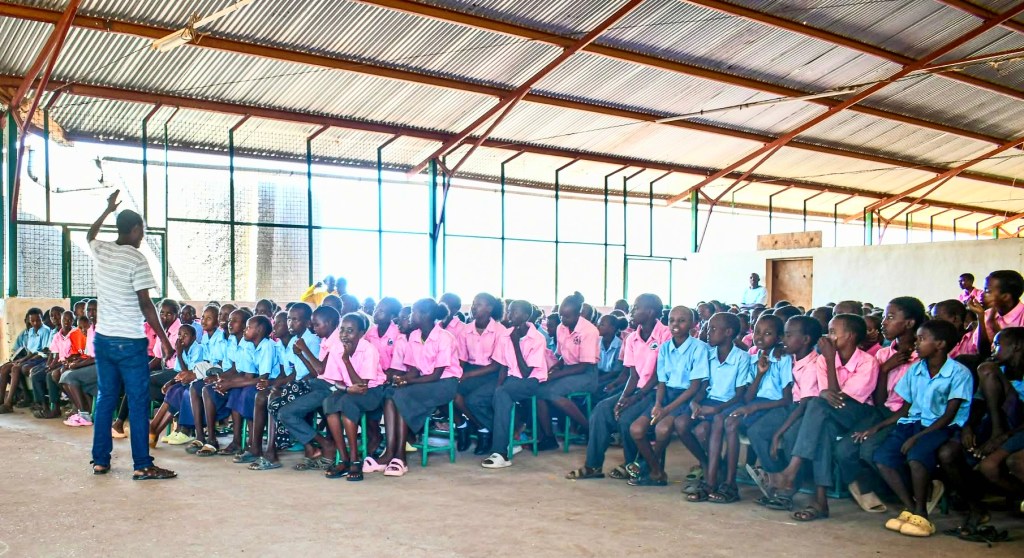
The establishment of the Tirrim Trust – www.tirrim.org has brought 5 new schools to the area, providing excellent facilities and a high standard of education as mentioned above. Today there are camps and special weekends for the young people and a bus to transport them around.
New literacy classes still provide reading and writing skills to many adults, new classes are still opening up in isolated areas.
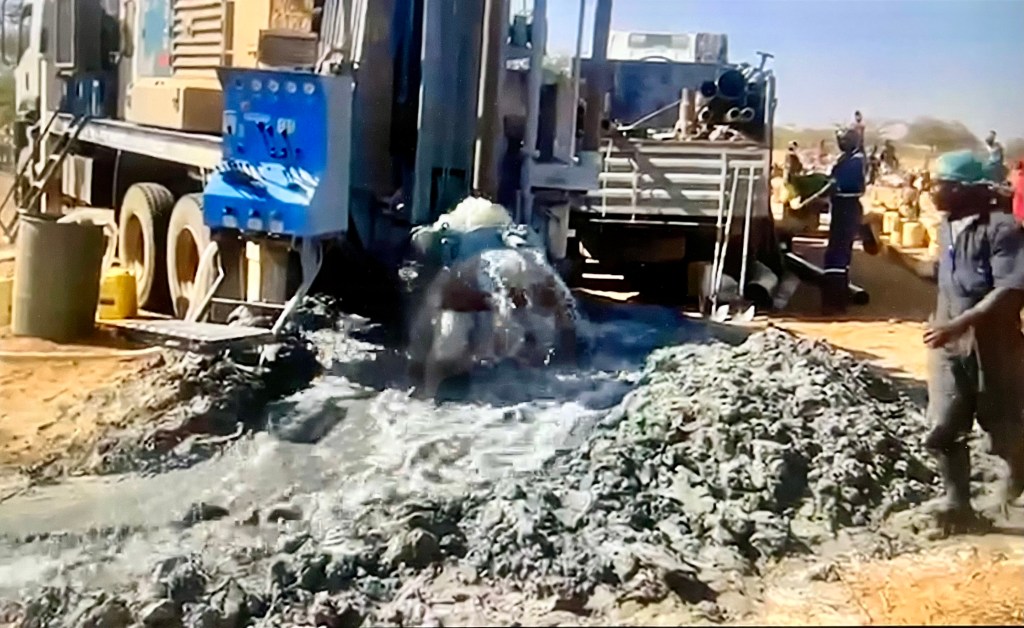
Well drilling and the building of new water tanks continues as necessary
Too many things to tell here, check out the website above for yourself, and be inspired! Here are some recent photographs.
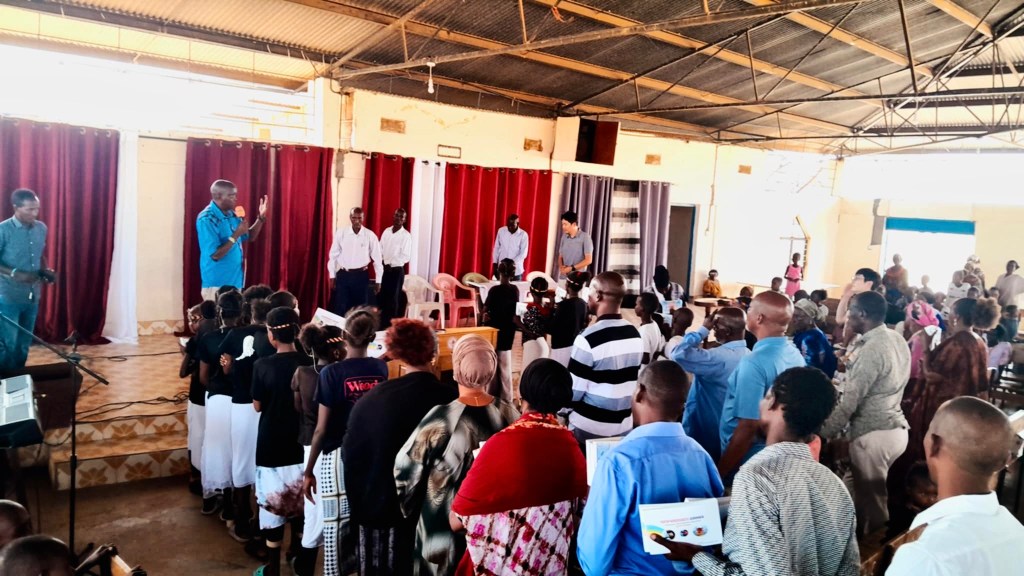
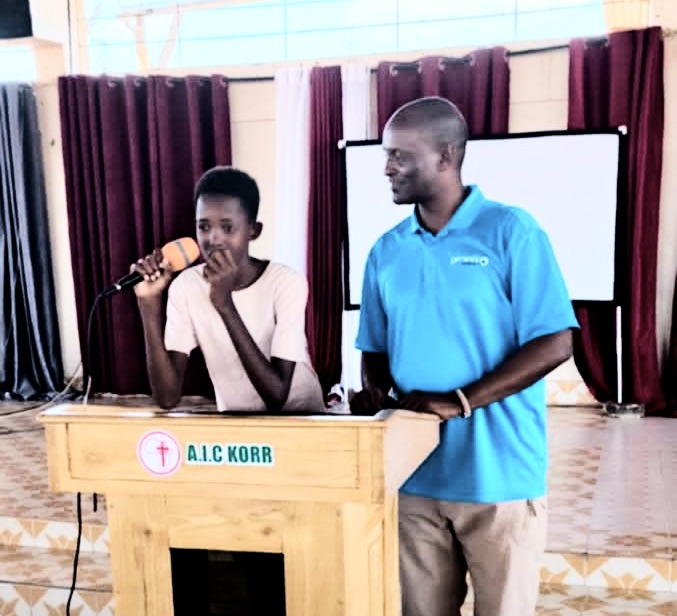
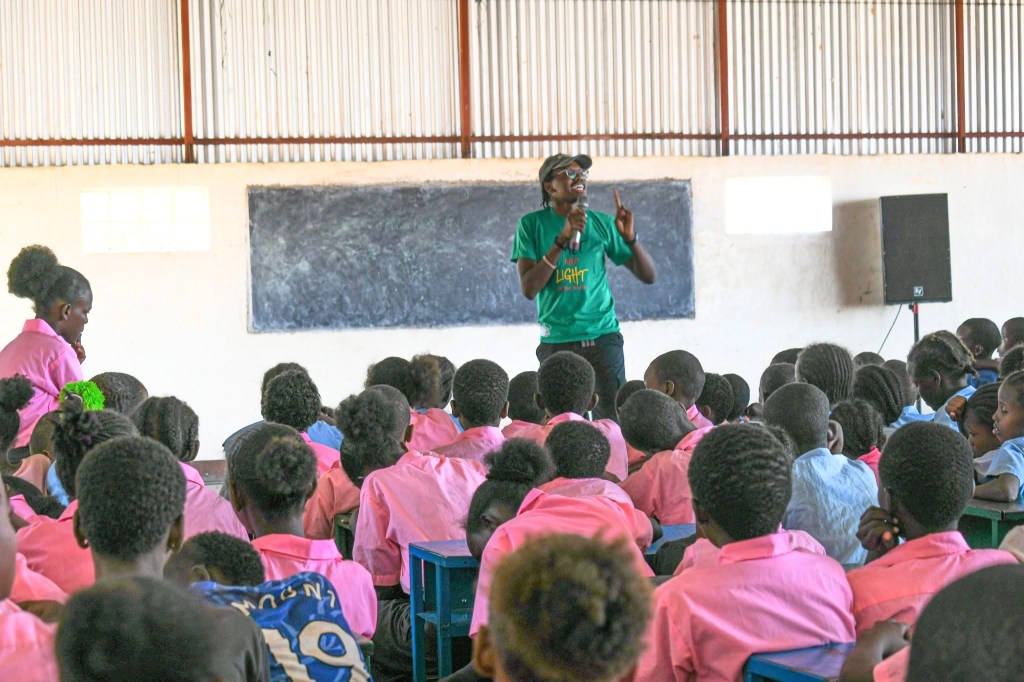
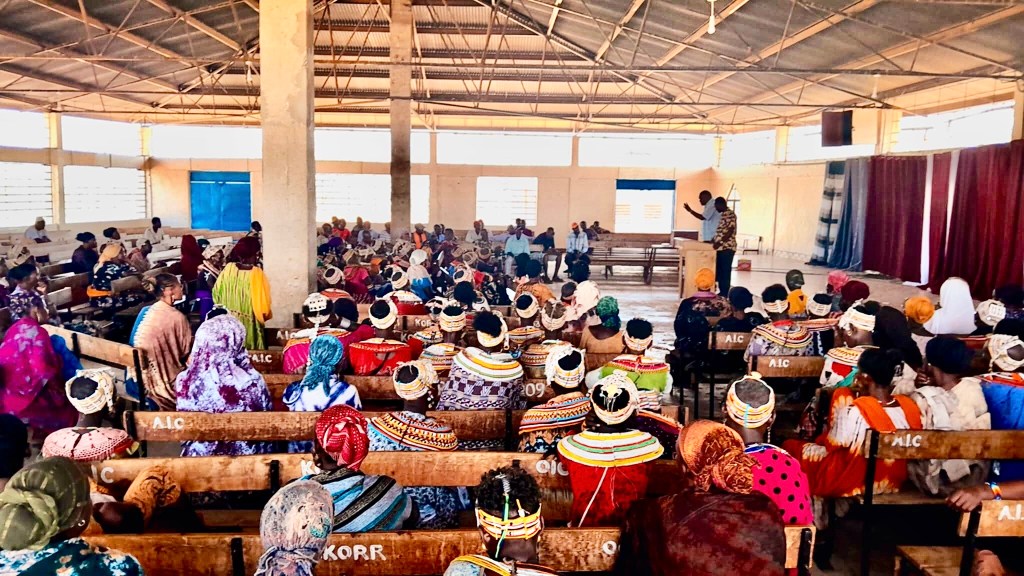
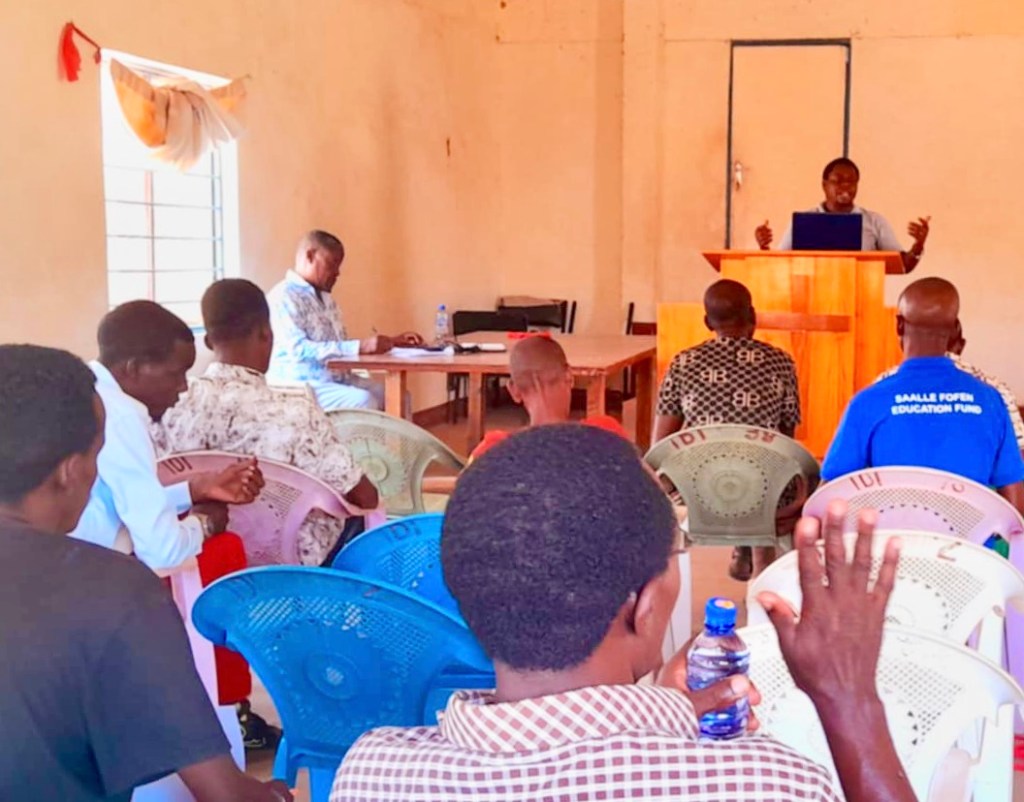
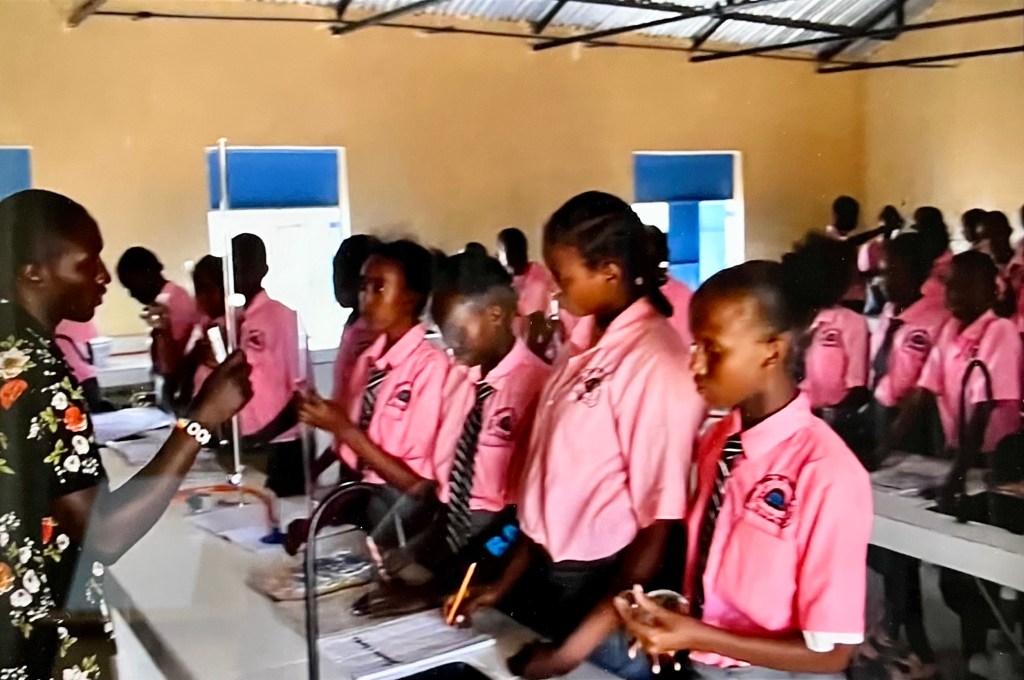
Church Service at KorrSo how was the Youth camp?Youth FellowshipChild Sponsorship MeetingPastors’ Training A school science lesson.A new Literacy Group The campersWell DrillingA camp ‘Get-together’
Who would have thought that two young airmen heading off to Africa in an old Wooden Miles Gemini plane in 1945 could lead 80 years on, to the amazing organisation that Mission Aviation Fellowship is today? Now flying 115 light aircraft in 31 different countries of the world, and flying in and out of 1,500 airstrips?
Or who would have dreamed that a young couple heading off to the wilds of northern Kenya to live amongst a nomadic tribe they did not know, whose lanuage they had yet to learn, write down and teach others to read and write, would lead to the amazing transformation amongst the Rendile people which we see today?
Both these stories have one thread in common – both the airmen and Bible translators recognised a need that they themselves could not meet, but they brought that need to God in prayer, and then moved forward in faith trusting the words of Jesus who said ‘Go …. and I will be with you always’ How amazing to see God’s guiding hand in both these stories, and now we stand back in awe and say ‘How great is our God’. Praise God also for the many men and women who have followed in their footsteps as they too have heard the voice of God speak into their hearts.
So what about you and me? Do we have a calling or an issue that we recognise we cannot solve in our own? We’ve tried this and that but nothing seems to work out. Bringing it to Jesus to seek His guidance and help is a well proved and tested approach, which I personally try to live by, – see Proverbs 3:5,6. If not yet a Christian we need to consider our sin problem which separates us from a loving God. The Bible speaks clearly about the impossibility of us solving this for ourselves, but then tells of God’s love in sending Jesus to be our Saviour and friend. Jesus took our sin to the cross, and suffered and died in our place. Now He invites us to come to Him, confess our sin, and invite Him into our lives to be our Lord and Saviour. Still time to come! Yesterday I was reading in the Bible Matthew 9:18-26 another two great stories with a remarkable ending. It tells of people who came to Jesus asking for help, and finishes with eye watering results! Do have a read!
Best wishes from Scotland, thanks for subscribing. Always glad to hear from you.
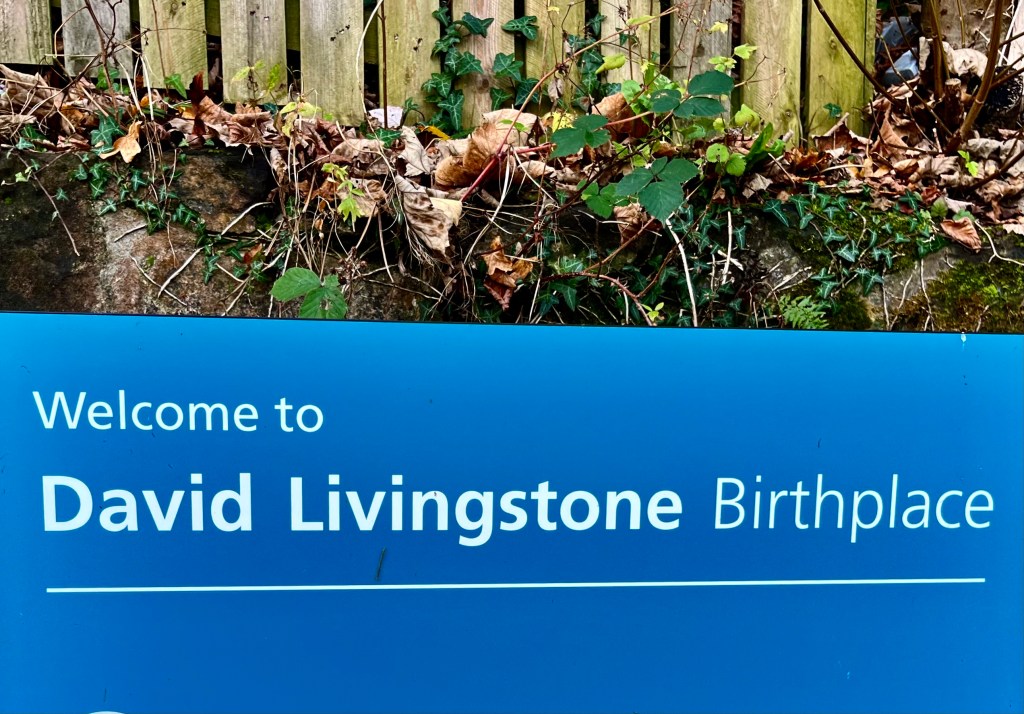
Last week we visited the birth place of Dr. David Livingstone at Blantyre, which is just 20 miles from our home here in Glasgow, Scotland. There is a beautiful Memorial Museum there which in recent times has been completely refurbished, and faithfully records the life and times of Livingstone.
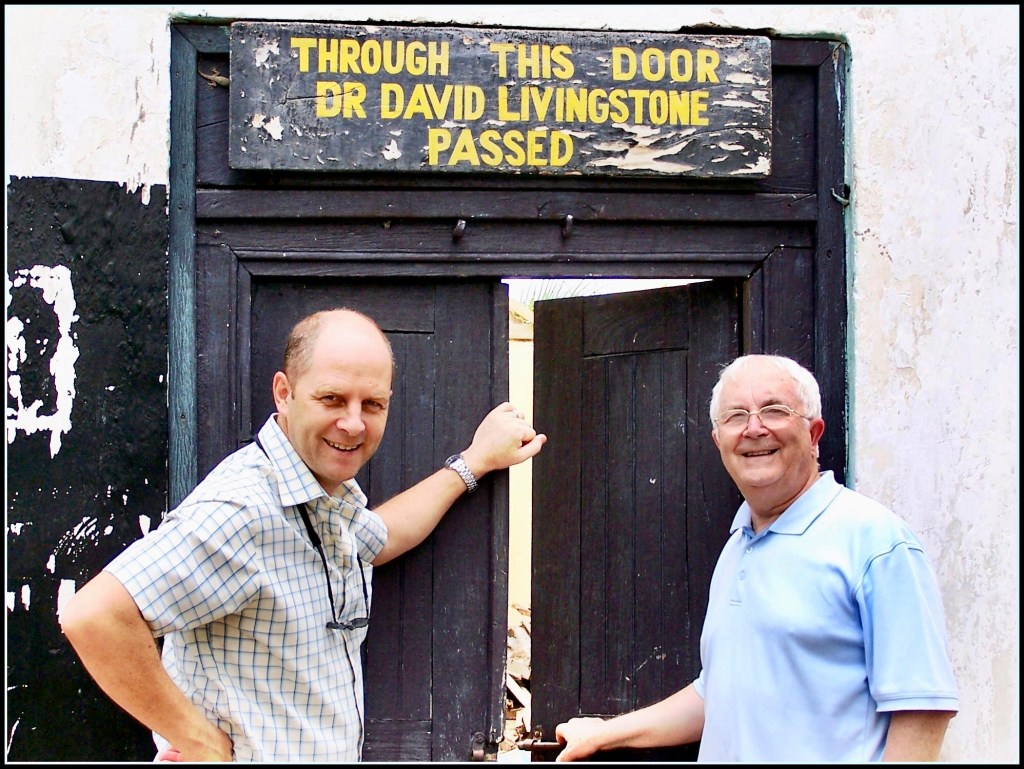
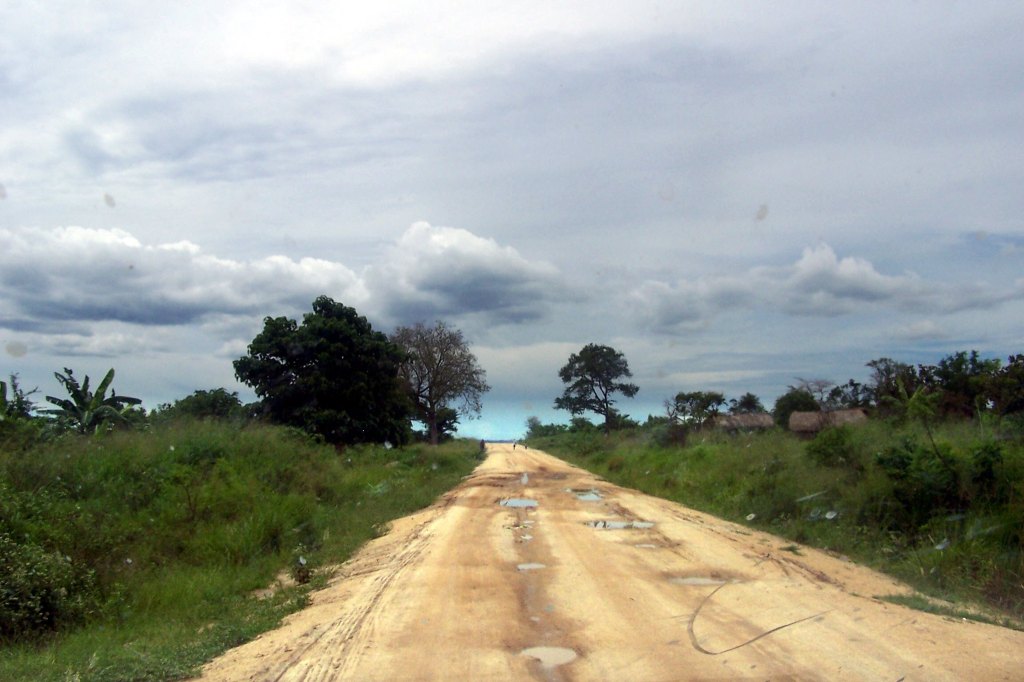
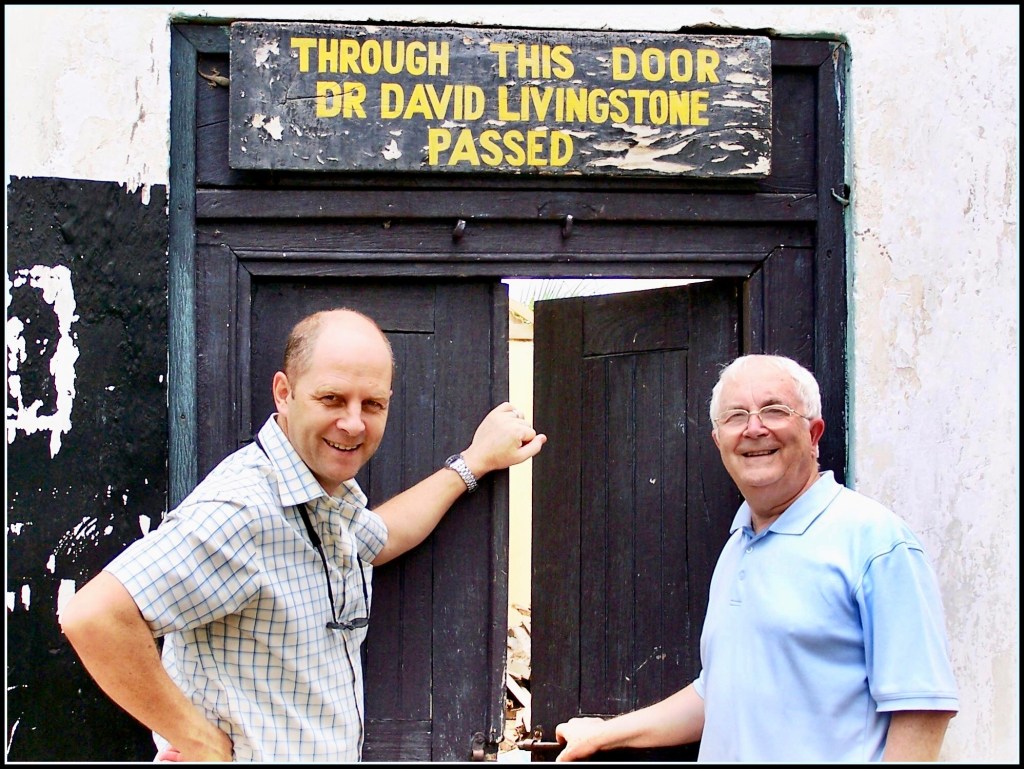
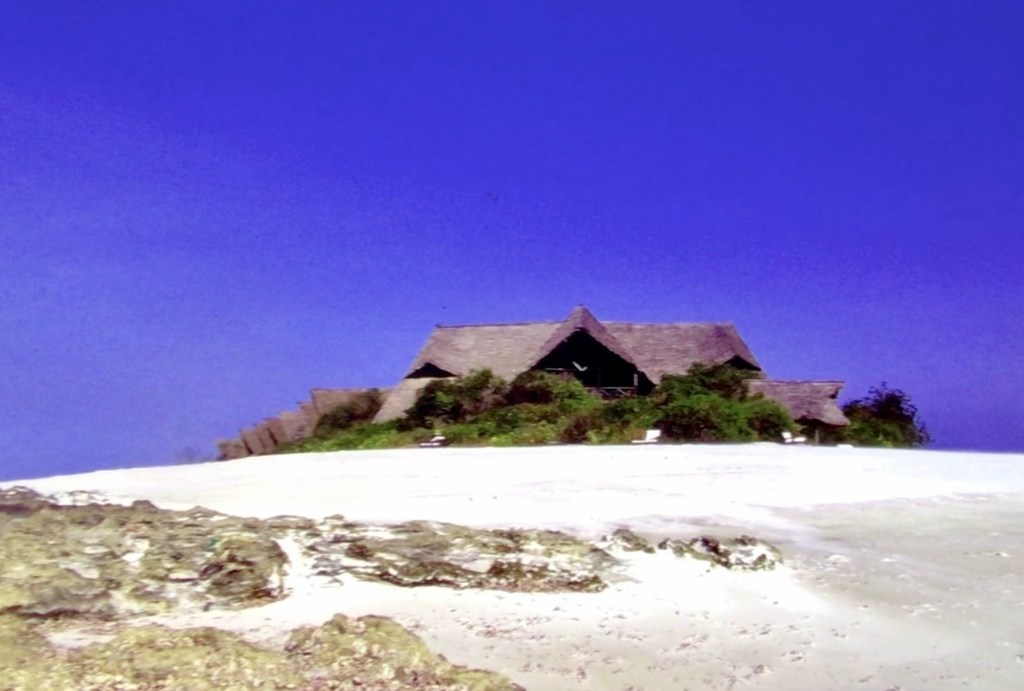
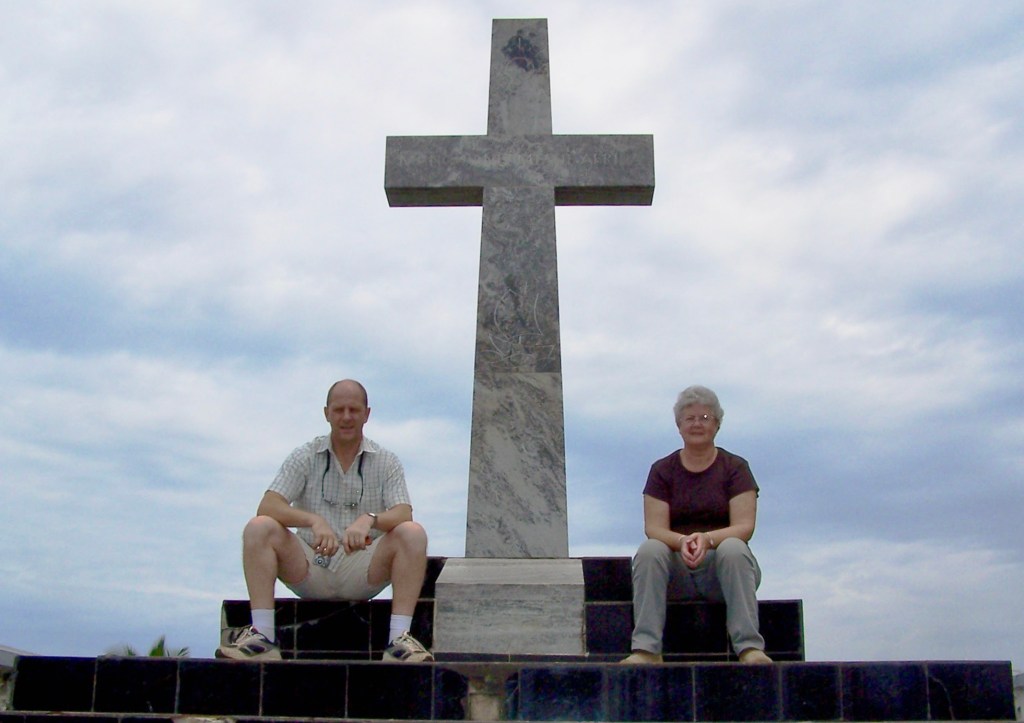
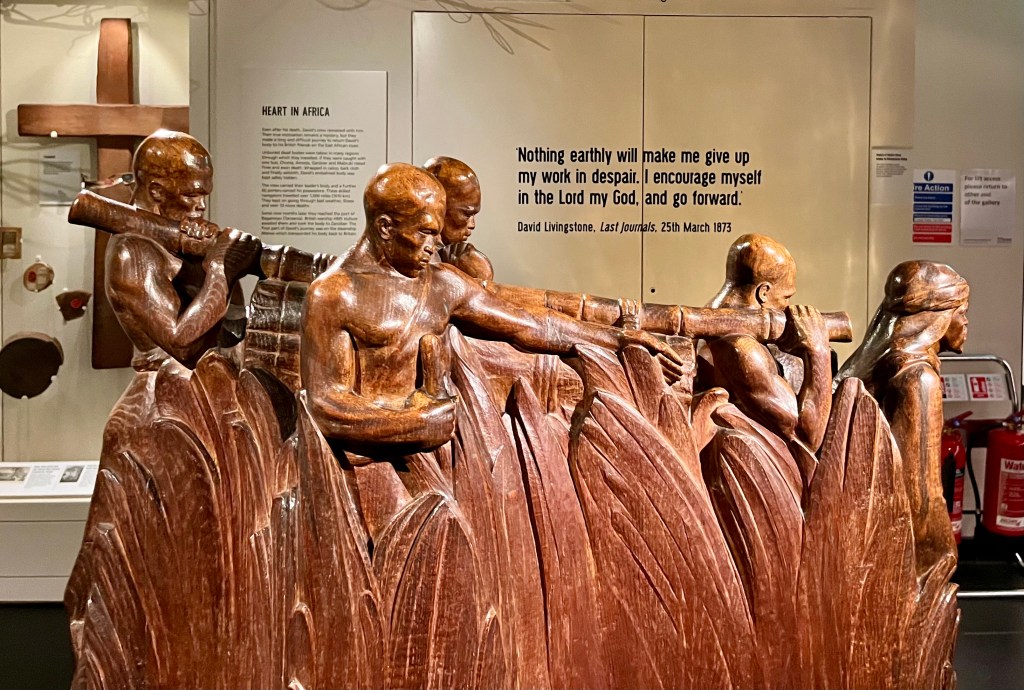
It’s not surprising then that this also brought to my mind a visit we made with my son and daughter in law to Bagamoyo in Tanzania during one of our African travels. So before sharing with you something of the Memorial Museum, there follows a few photographs of our trip to Bagamoyo. This town was once considered to be the capital of Tanzania, a centre of business and commerce, strategically placed on the East African coast. David Livingstone’s body was brought here by his faithfull African friends and companions after his death on the southern shore of Lake Bangweolu on the 1st May 1873, he was aged sixty. They had carried their friend and colleague more than a thousand miles over a period of nine months, so that he could be transported back to his home country for burial in Westminstter Abbey, London.
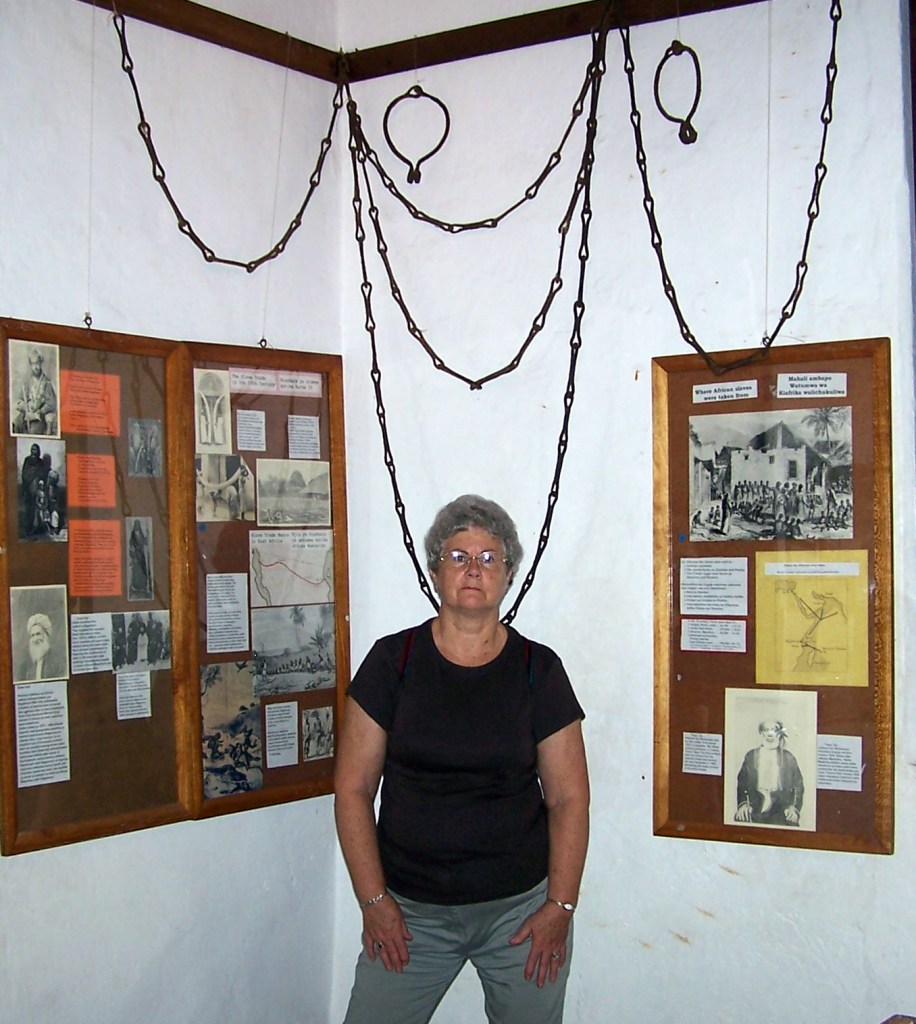
On the road to BagamoyoThis building has since been refurbished Safari LodgeThe first cross raised in East AfricaVisiting the slave memorial
Sadly this port was used by Arab slave traders who brought caravans of slaves from the interior to be shipped to the slave market in Zanzibar. It is estimated that 50,000 young and old African men and women were shipped from here every year over a number of decades, amounting to an approximately 1.5 million souls, not counting those who died on the way. It was a sobering experience walking around that place.
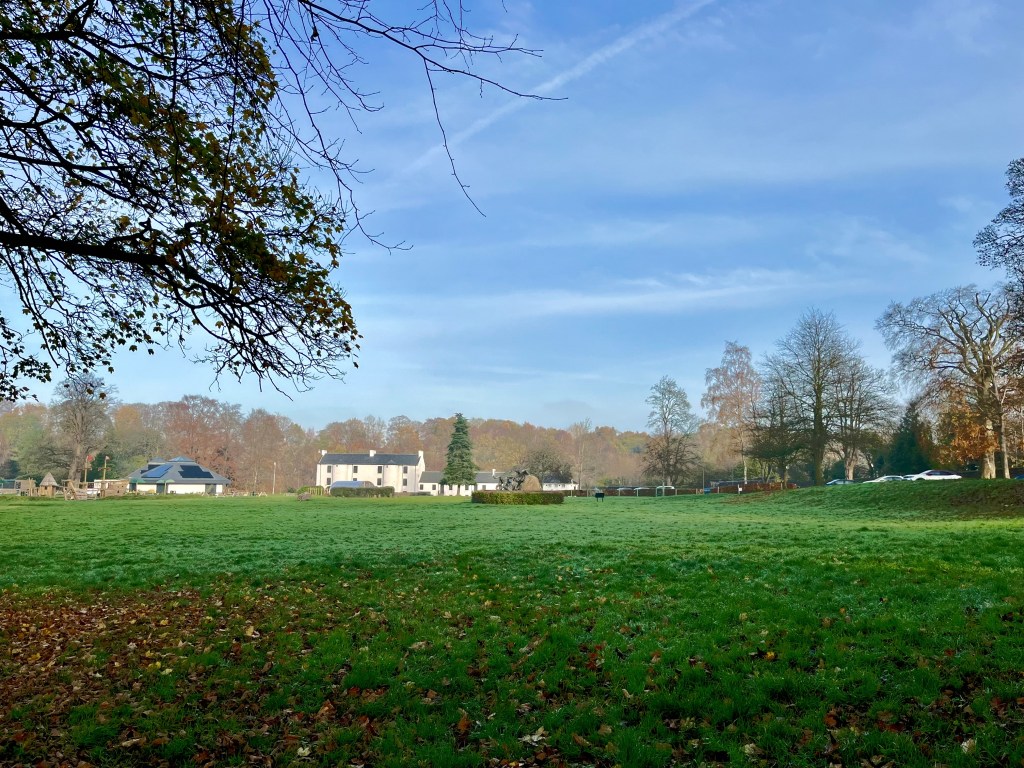
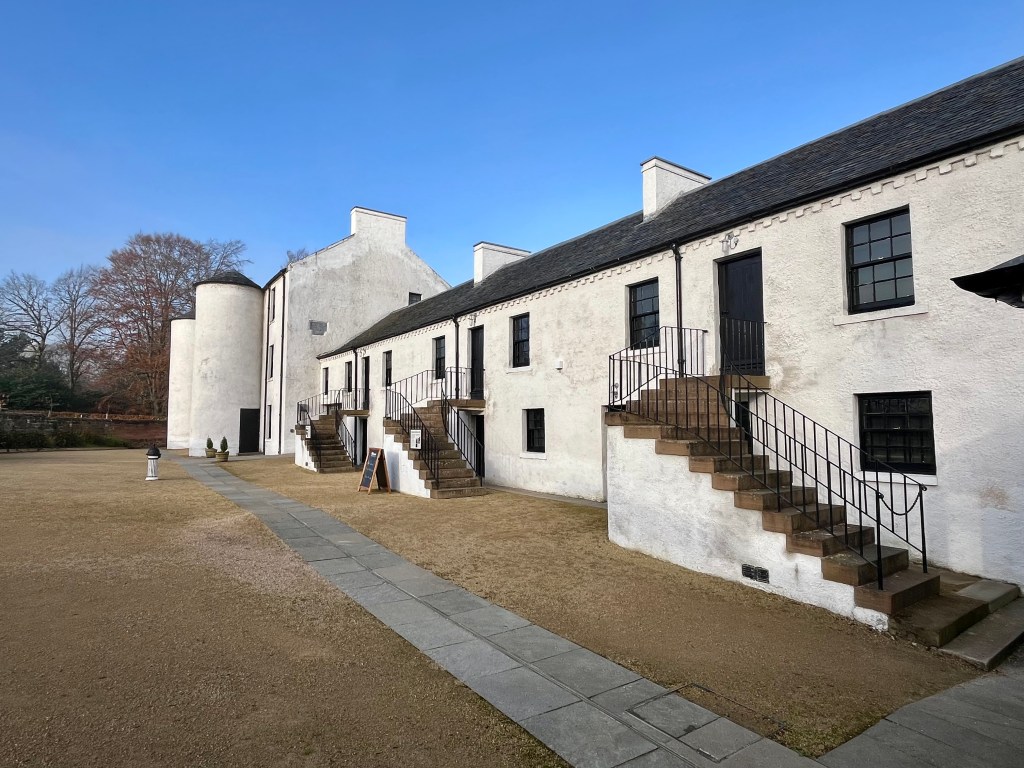
THE BLANTYRE MEMORIAL MUSEUM is set on the banks of the river Clyde, surrounded by open fields, and paths, and the old mill houses have been remarkably well preserved, one end of the row forming the museum on three levels with lift access. There are modern toilet facilities in the museum, and on site, also a shop and restaurant. This place is well worth a visit, with plenty of space for a group outing and for children to play. Entrance prices are very competitive and can be checked on line.
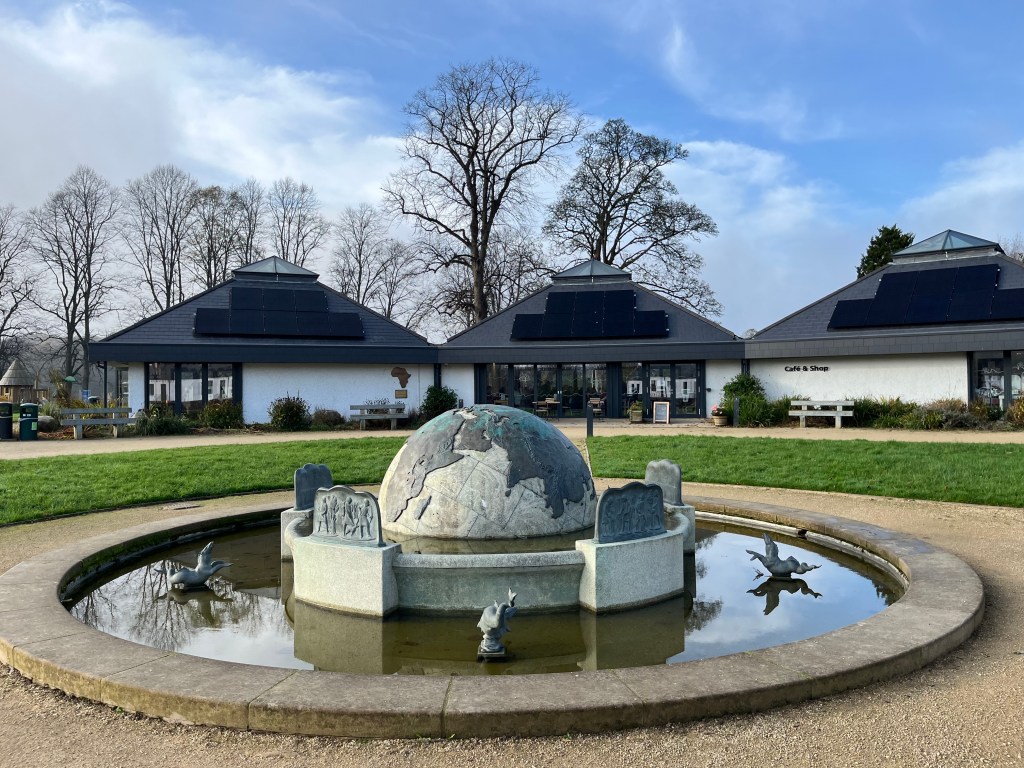
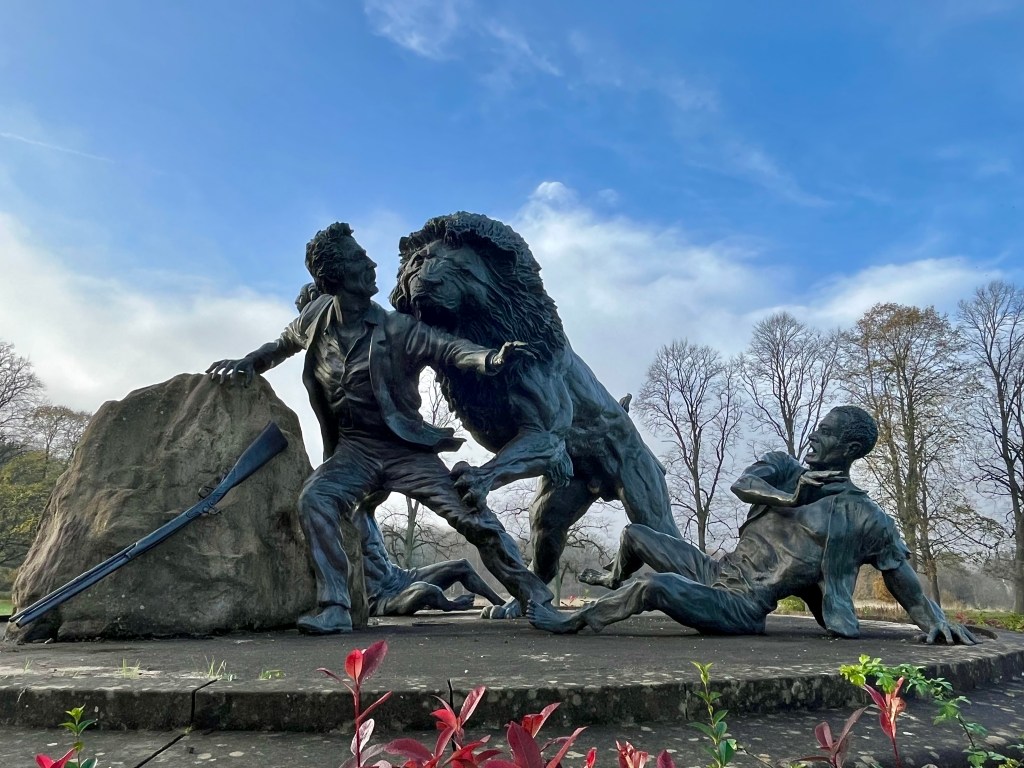
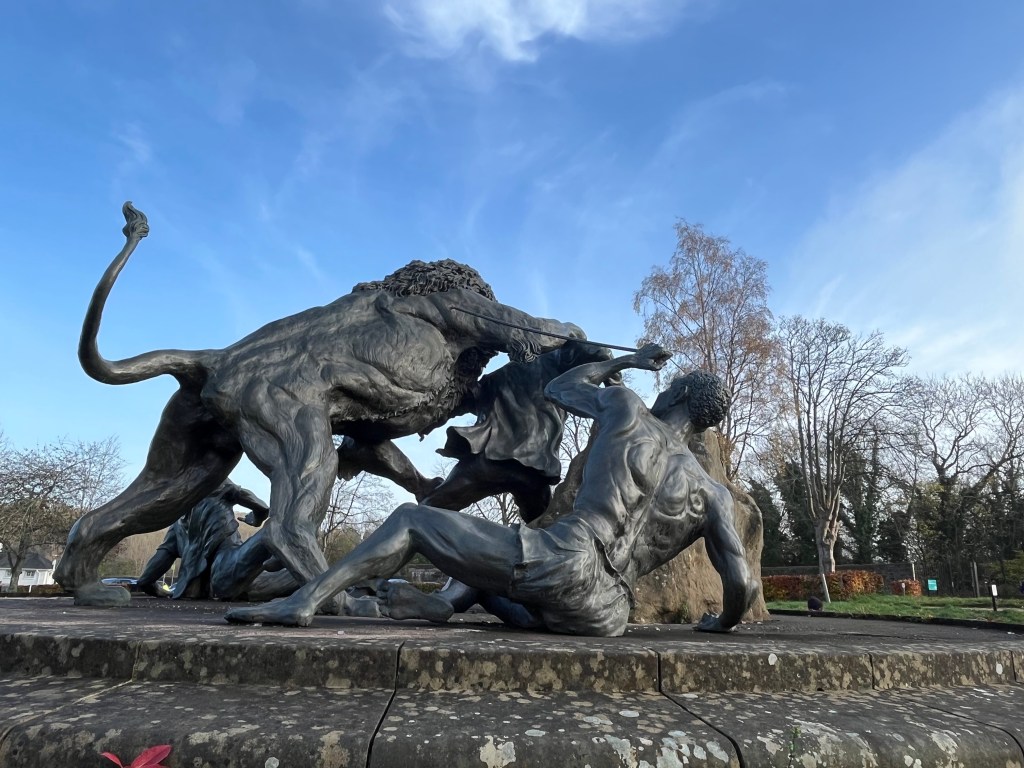
A view of the expansive siteThe old mill house cottegrs and MuseumThe African fountain with shop and restaurant in the backgroundThe large sculpture depicting the incident when they were attacked by a lion
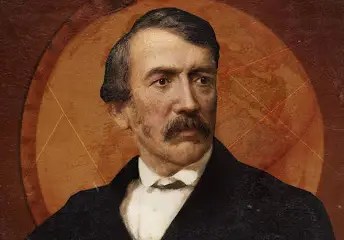
David Livingstone, one of Scotland’s famous sons was the second child of Neil and Agnes Livingstone, and was born on the 19th March 1813. He was of humble birth and had six siblings, but grew up knowing the love and discipline of good Christian parents in a happy home. At the age of ten, he was sent to work at the local cotton mill, first as a piercer and then as a spinner. At the age of twenty he made a personal commitment to Jesus Christ after readng Dick’s “Philosophy of a Future State”. He said ‘I saw the duty and inestimable privilege immediately to accept salvation by Christ‘. This experience determined the course of his life.
Livingstone had a great love of reading, and this opened up the world to him. He is said to have read all sorts of books that came into his hands, but especially books on travel and missionary enterprise. By the age of 23 years, he was studying theology and medicine at Glasgow University and by September 1838, had been provisionally accepted by the London Missionary Society. After further studies in England, he returned to Glasgow in November 1840, and passed at Glasgow as a licentiate of the faculty of physicians and surgeons. During that same month he was ordained a missionary at Albion Street Chapel, and the following month he set sail for Capetown in South Africa. Here are some photos from within the museum.
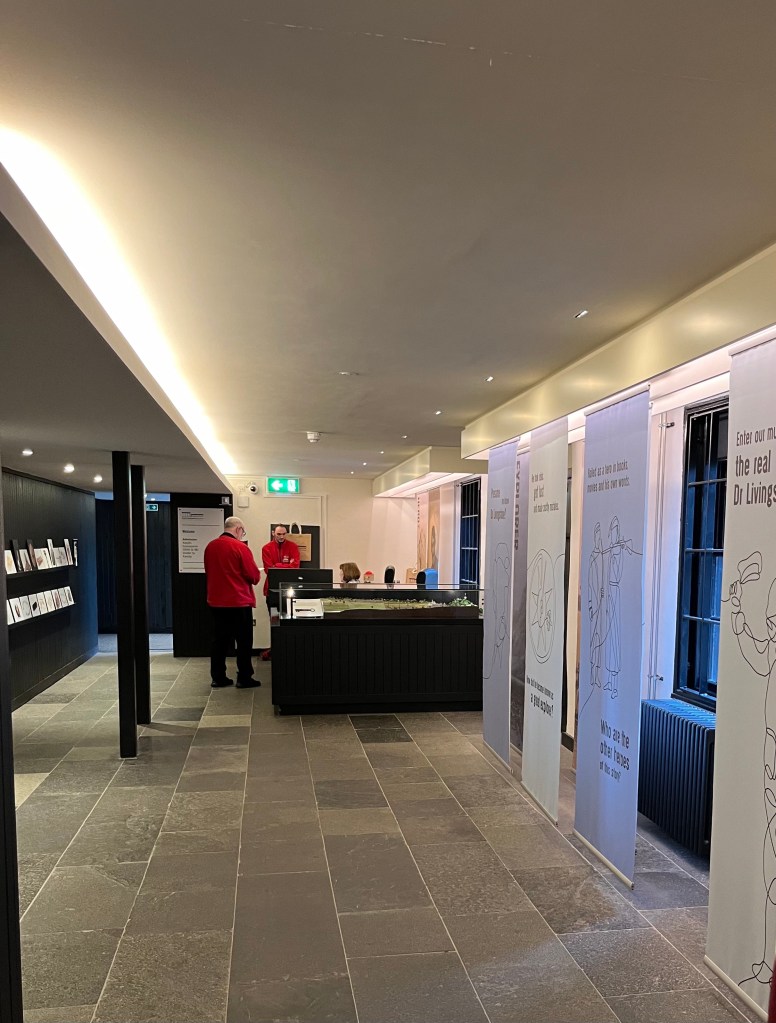
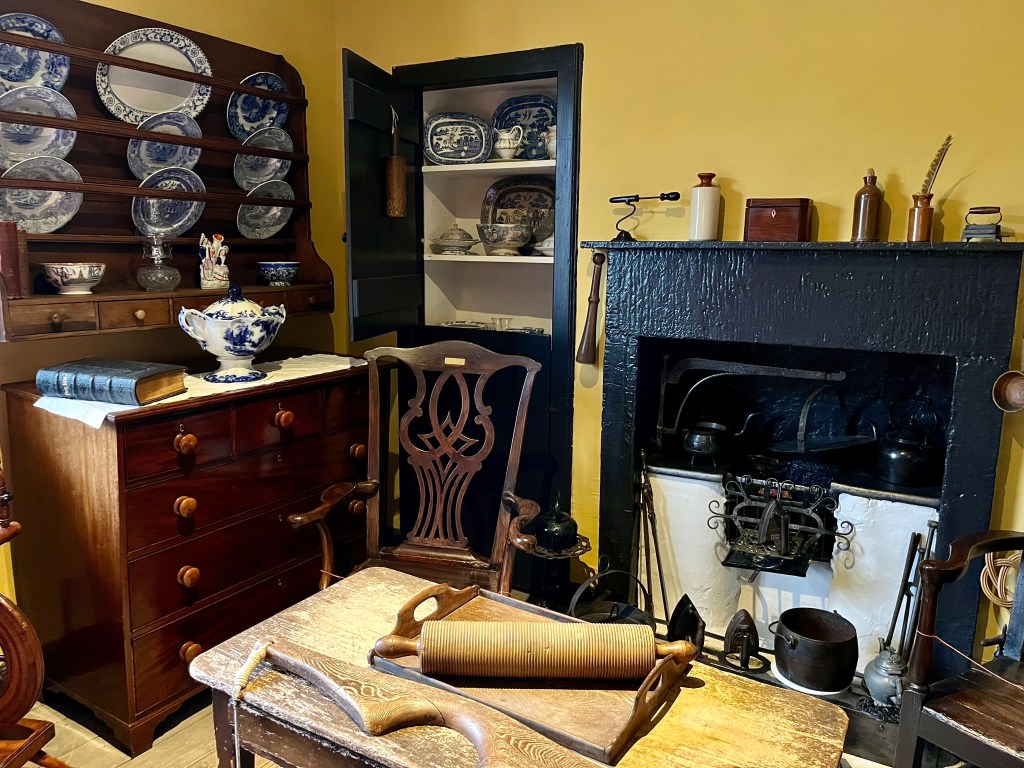
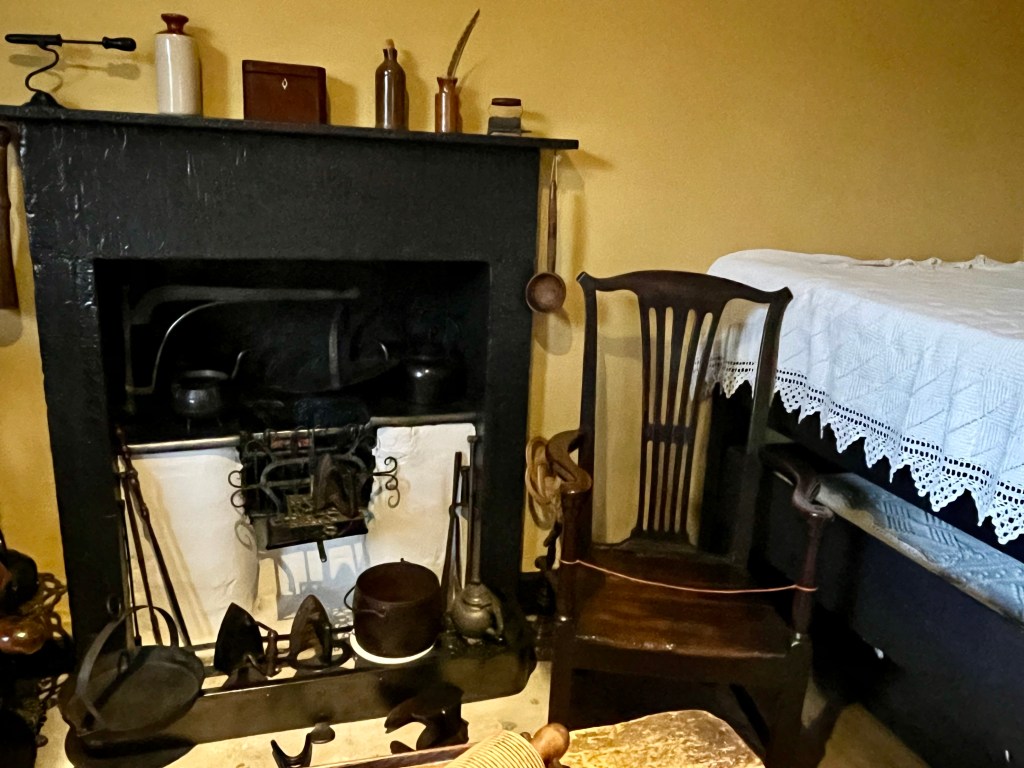
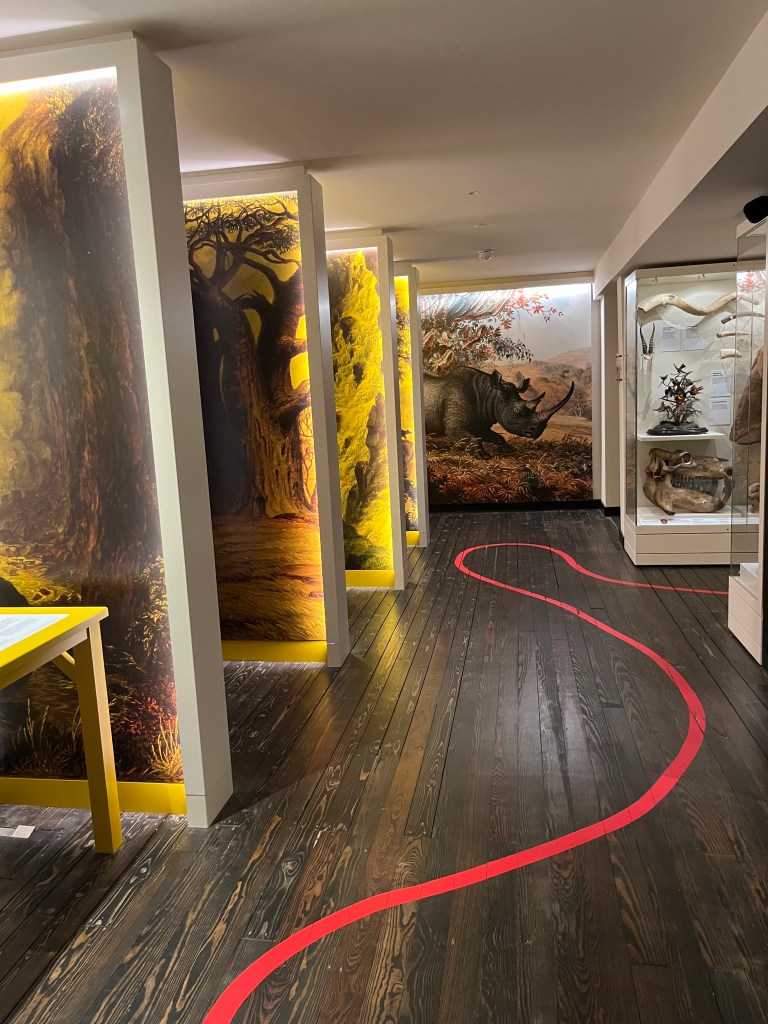
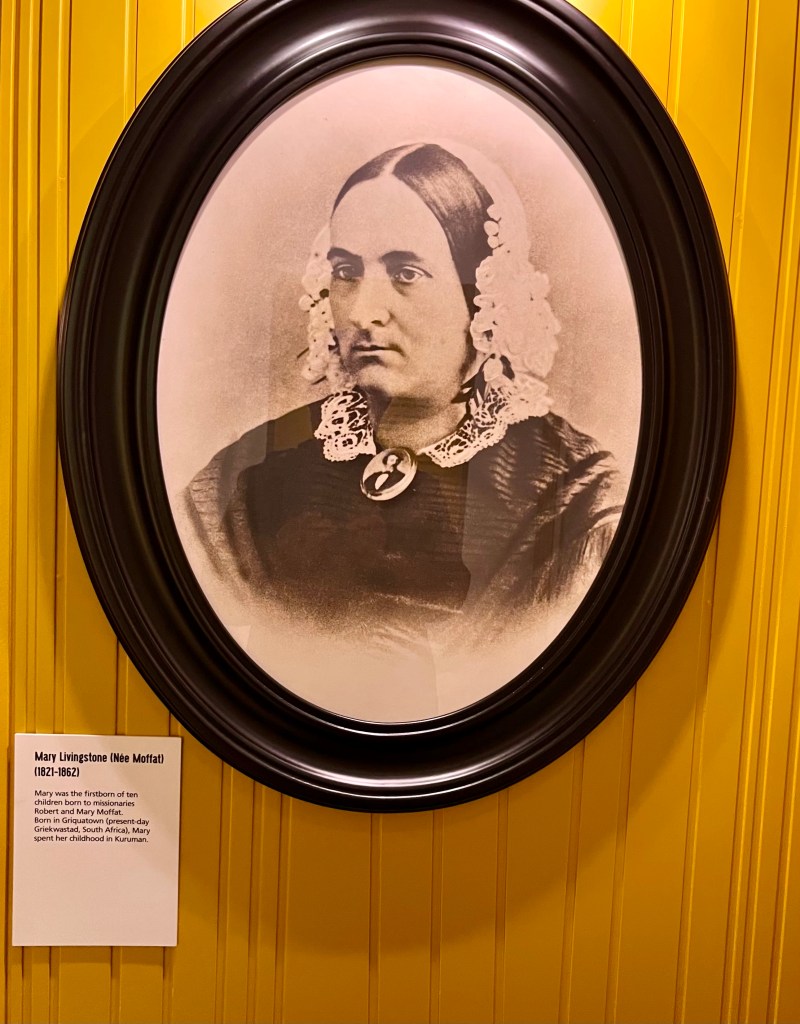
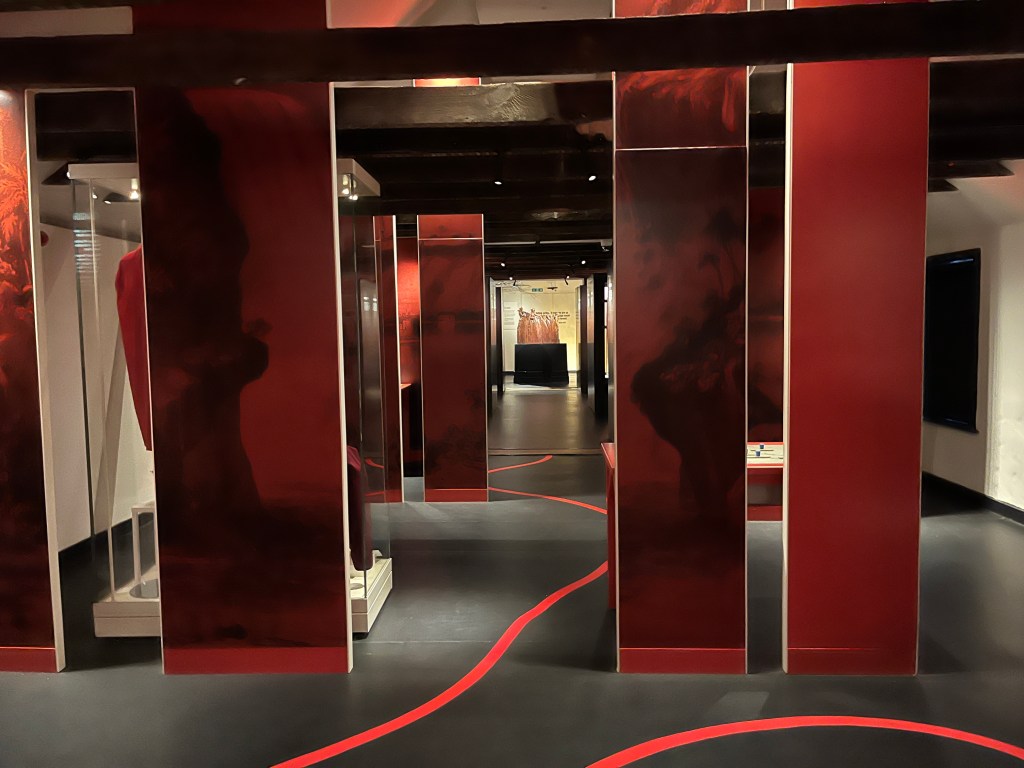
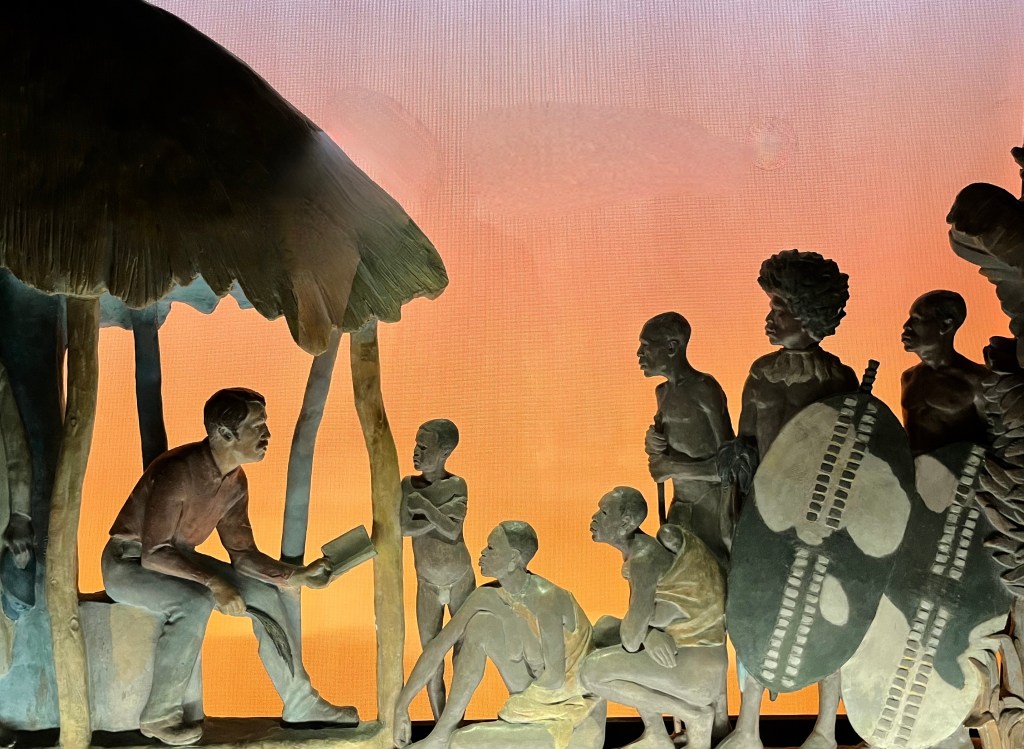
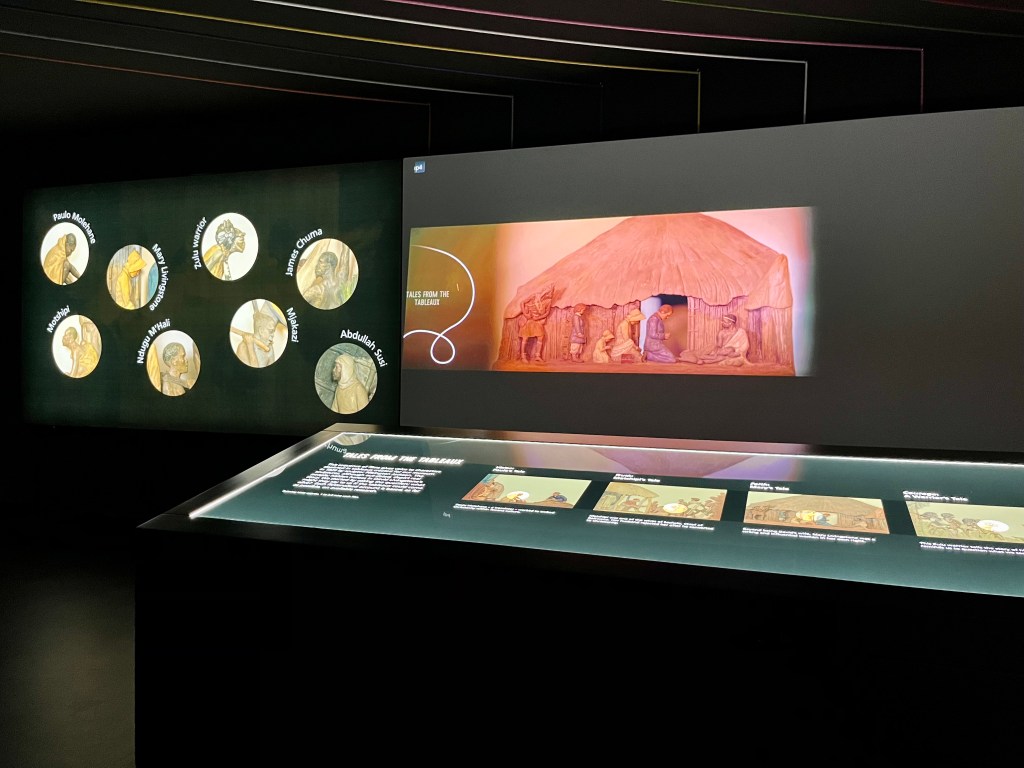
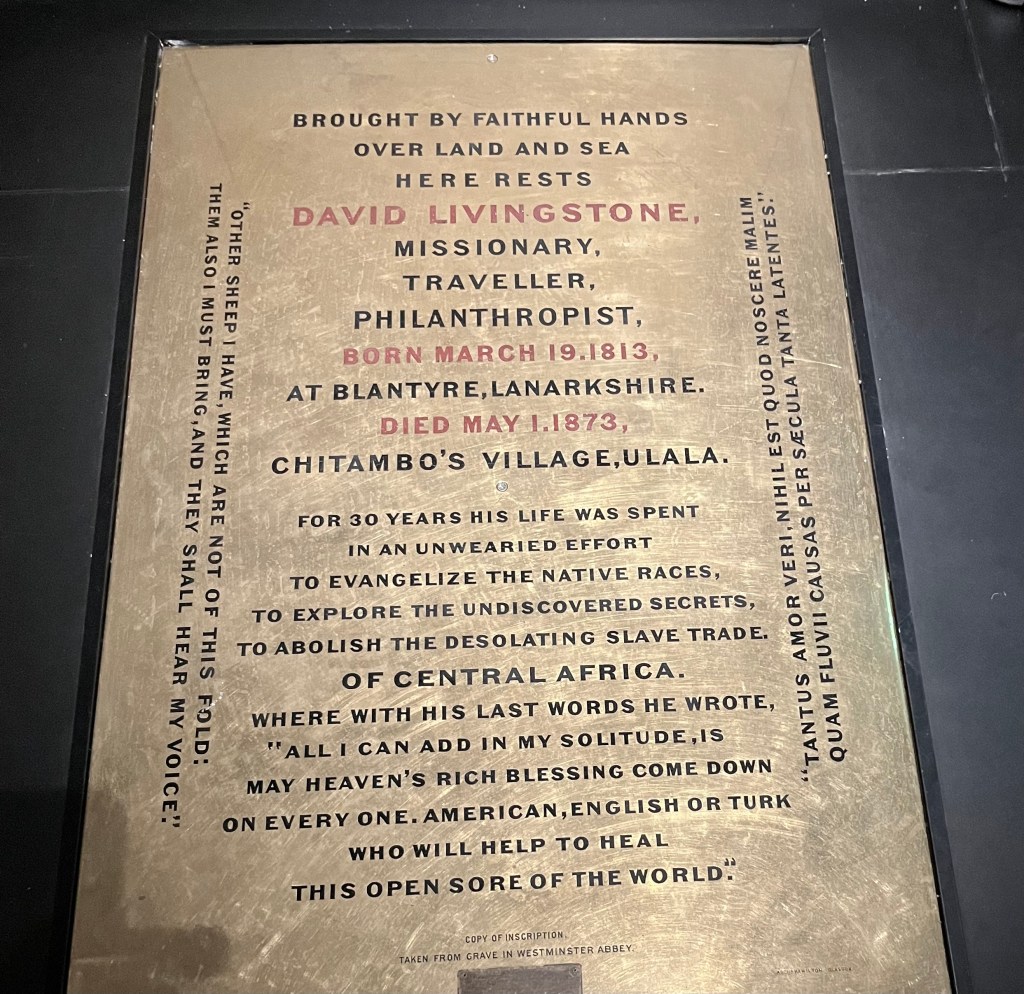
Museum Entrance The familly’s Single room >These panels illustrate and tell his storyDavid’s wife MaryThese panels illustrate and tell his storyOne of a number of many ‘reliefs’ within the museumThe film roomCopy of the Westminster Grave slab.Brave and valliant friends David Livingstone
This Memorial Museum is well worth a visit if you are ever in Scotland,I suggest it be one for your bucket list!
Thirty three years later on his last expedition in search of the source of the river Nile, he penned his last journal entry. This was just a few weeks before his death, he wrote “Nothing earthly will make me give up my work in despair. I encourage myself in the Lord my God, and go forward”. 25 March 1873.
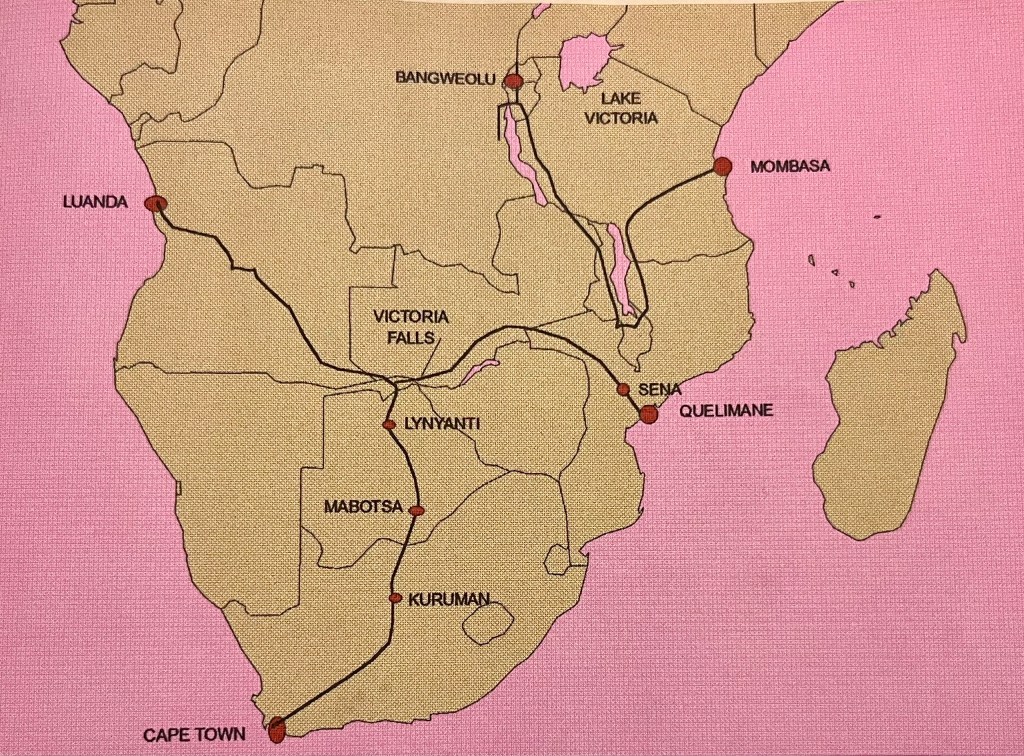
During his 33 years in Africa it is estimated that Livingstone walked 29,000 miles crisscrossing a third of the African continent. The map below shows some of his most famous missionary / explorational expeditions.
Dr. David Livingstone – Expeditions
Journeys of Dr. David Livingstone:
Capetown 1852 – For their safety his family returns to UK. and Livingstone to Lynyanti.
November 1853 he departs on his expedition to Luanda, and arrives 1854.
September 1854 he returns to Lynyanti.
November 1855 Livingstone departs on an expedition to the East Coast, and on route becomes the first European to witness the magnificent Zambezi waterfall, which he named the ‘Victoria Falls’
May 1856 he successfully arrives at Quelimane on the East Coast
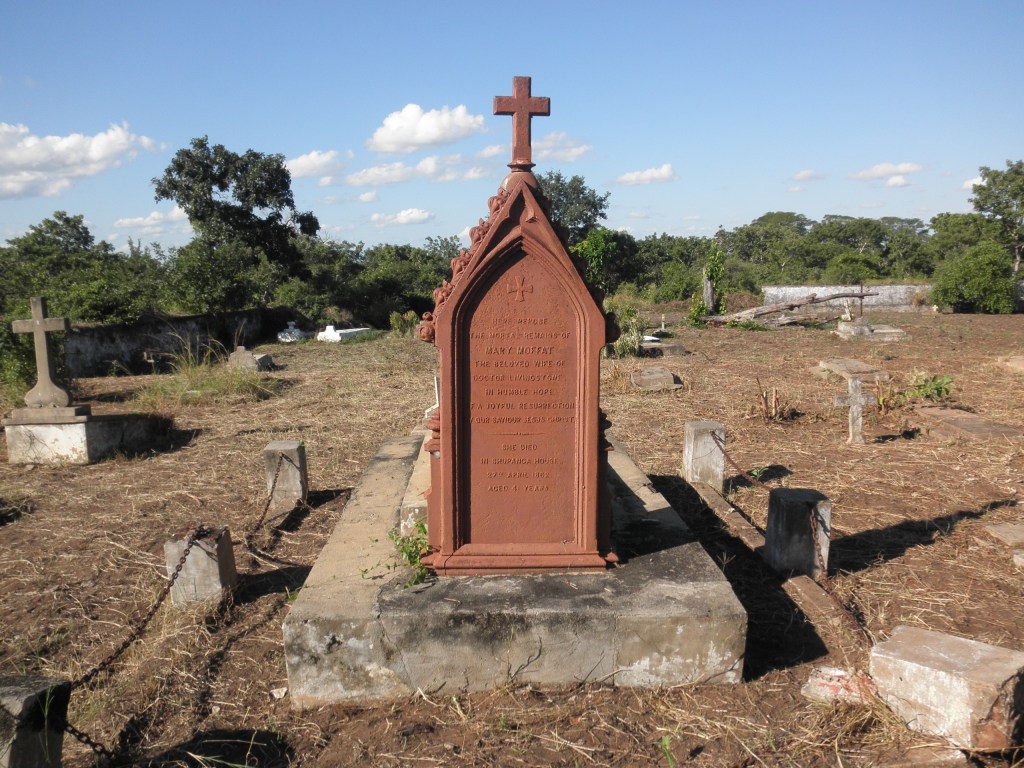
Sadly David’s loving wife and fellow worker Mary (nee Moffat), who had returned to be with her husband in Africa died of malaria on 27 April 1862 aged 41, and was buried at Shupanga.
Between 1866 – 1873 David’s last expedition in search of the source of the Nile, took him around Lake Malawi and Lake Tanganyika. On this journey he had his meeting with Stanley, who on finding him famously said ‘Doctor Livingstone I presume‘.
May 1st 1873, He died on the southern shore of Lake Bangweolu.
Things people have said of him:
Mr Young lecturer at Glasgow said – Livingstone was the best man he ever knew, he had more than any other man of true filial trust in God, more of the Spirit of Christ, more of integrity, purity, and sismplicity of character, and of self denying love for his fellow men”.
Hildebrandt J – ‘Apparently he did not know fear and inspite of periods of gloom, he was generally hopeful and had a quiet humour. He had an indomitable will power which propelled a body often racked by fever. He was skilful in dealing with people and was a keen and accurate observer.’
What he said about himself at Cambridge University in 1857 – ‘…people talk of the sacrifice I have made in spending so much of my life in Africa. Can it be called a sacrifice which is simply paid back as a small part of a great debt owing to our God? ”’ it is emphatically no sacrifice. Say rather it is a privilege.
Others of course have been critical, but it’s relatively easy to be critical with hindsight. Livingstone was not to know of the excesses to which future colonialists would go in their exploitation of Africa.
His writing of papers, his speeches back home, and his book ‘Missionary Travels and Researches in South Africa’ highlighted amongst other things the needs of Africa. Particularly however was his horror of the slave trade. When confronting Arab slave traders in Tanganyika he wrote –‘This is a den of the worst of slave traders … they are the vilest of the vile. It is not a trade, but a system of consecutive murders; they go to plunder and kidnap, and every trading trip is nothing but a foray”. His last recorded words are these – “All I can say in my solitude is this, “May Heaven’s rich blessing come down on everyone – American, English, Turk – who will help to heal this open sore of the world”. Almost within a month of his death the slave market in Zanzibar was closed forever.
When David Livingstone applied to the London Missionary Society he stated at the start of his career his ideas of a Missionary’s work. He wrote “The missionary’s object is to endeavour by every means in his power to make known the Gospel by preaching, exhortation, conversation, instruction of the young; improving so far as is in his power, the temporal condition of those amongst whom he labours, by introducing the arts and sciences of civilisation, and doing everything to commend Christianity to their hearts and consciences. This extraordinary man, by God’s grace and help, and by his inspiration, accomplished through his work and writings nearly all of this to the Glory of God and the blessing of Africa’s peoples.
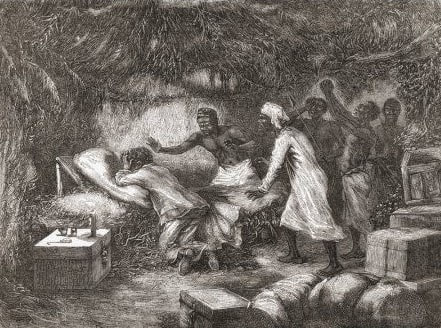
Mary Livingstone’s Grave at ShupangaDavid Livingstone found dead kneeling at his bedside 1 May 1873
I hope the above photos and paragraphs have been enough to encourage you to visit the Blantyre Memorial if you live in the UK, or are on a visit here. If not you may wish to read one of the many books on Doctor David Livingstone which are readily available . I acknowledge their value here, as I have drawn on some of these invaluable resources when compiling this short blog.
It would be lovely to think of slavery as a thing of the past, but have you ever stopped to consider that slavery is still a problen in almost every country in the world today? Current estimates mention a figure of 50 million worldwide. In the UK a recent government report from the Home Affairs Committee on Human Trafficking was submitted to the government. In that, it mentions that the potential victims of modern slavery has increased substantially. There were 16,938 referrals in 2022, five times as many as the 3,263 referrals in 2015 when the Modern Slavery Act was passed. Nonetheless it has been estimated that there are at least 100,000 victims of modern slavery and human trafficking in the UK.
I felt aghast reading these statistics, just to think of the depth of human misery, exploitation and suffering that these statistics represent, and to think that they almost certainly describe situations happening in the city of Glasgow or even within a short distance from my own doorstep. It is at least heartening to know the government are trying to do something about it. But one thing it surely proves is that the human heart has not basically changed throughout the centuries. We don’t need to start by pointing the fingure at anyone else, we all know our own heart and mind. But hallelujah, there is a Saviour – Jesus, and it’s great to accept His invitation to come to Him in repentence and faith.. Jesus said, “Very truly I tell you, everyone who sins is a slave to sin. Now a slave has no permanent place in the family, but a son belongs to it forever. So if the Son sets you free, you will be free indeed”. John 8:34-36.
Today in Glasgow we had the first snow of the season, so we are endeavouring to keep warm. But wherever you are be blessed, and spread the word. Last night I was listening to people speaking of how Jesus had set them free from sin here in Glasgow. Some amazing stories.
 Matthew McKinnon's Blog